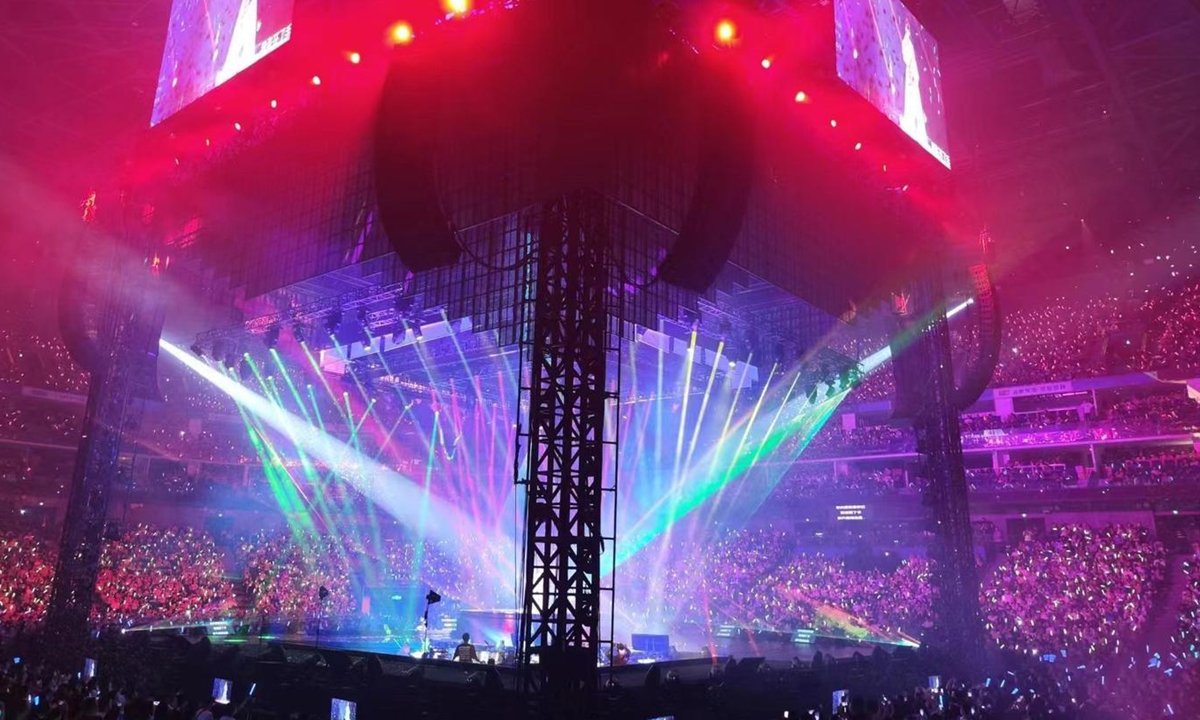

A group of nine concertgoers recently filed a lawsuit against the Shanghai Morefun entertainment company, the organizer of Malaysian singer Fish Leong’s concert in Shanghai. The case, heard at a court in Shanghai’s Minhang district, revolves around allegations of obstructed views due to pillars at the concert venue, demanding a full refund and punitive damages.
The plaintiffs, who purchased tickets priced between 999 yuan to 1299 yuan for the concert held on May 20 and 21, claimed that their experience was marred by pillars surrounding the stage, which significantly obstructed their view. They argued that the organizer failed to inform them about these obstructions beforehand, accusing the defendant of fraudulent behavior and infringement of consumer rights.
During the trial, the plaintiffs’ representatives emphasized that the lack of prior information about potential view obstructions constituted a serious breach of contract. They argued that being deprived of an unobstructed view at a concert was akin to not receiving the service they paid for.
The defense argued that the use of load-bearing pillars was a necessary safety measure due to the venue’s inadequate ceiling support. They stated that such pillars are common in the industry and it is generally known that certain seating positions may have obstructed views. The defense maintained that there was no intentional omission in promotional materials regarding the presence of these pillars.
Testimonies from the plaintiffs revealed that the obstruction issues were only noticed upon entering the venue. Attempts to raise concerns with the staff were thwarted by security, and promises of post-event communication and potential refunds were not fulfilled.
The defense, in their closing statements, argued that the plaintiffs’ decision to stay for the entire concert despite being aware of the obstructions implied their acceptance of the provided service. Therefore, they contended that the contract was fulfilled and no further refunds were warranted.
The organizer, following the concert, proposed a 200-yuan shopping card as a goodwill gesture to those audience members who had complained. While approximately 100 viewers accepted this offer, the nine plaintiffs rejected it, finding the offer inadequate and unreasonable.
The court has yet to deliver a verdict. The case has sparked discussions about the responsibilities of concert organizers and the rights of consumers. With over 7,000 concert-related consumer complaints filed in Shanghai alone since 2023, many of which pertain to obstructed views, this case could set a precedent for future disputes in the booming concert market in China.
Legal experts believe that the organizer might have infringed upon consumers’ right to know and potentially breached the contract. Public interest lawyer Zhang Yuxia, representing the plaintiffs, hopes the case will guide the industry’s regulation. Deputy Secretary-General of the Shanghai Consumer Rights Protection Committee, Tang Jiansheng, emphasized the broader goal of addressing widespread concert ticket disputes through judicial rulings, potentially influencing similar cases in the future.
READ MORE: