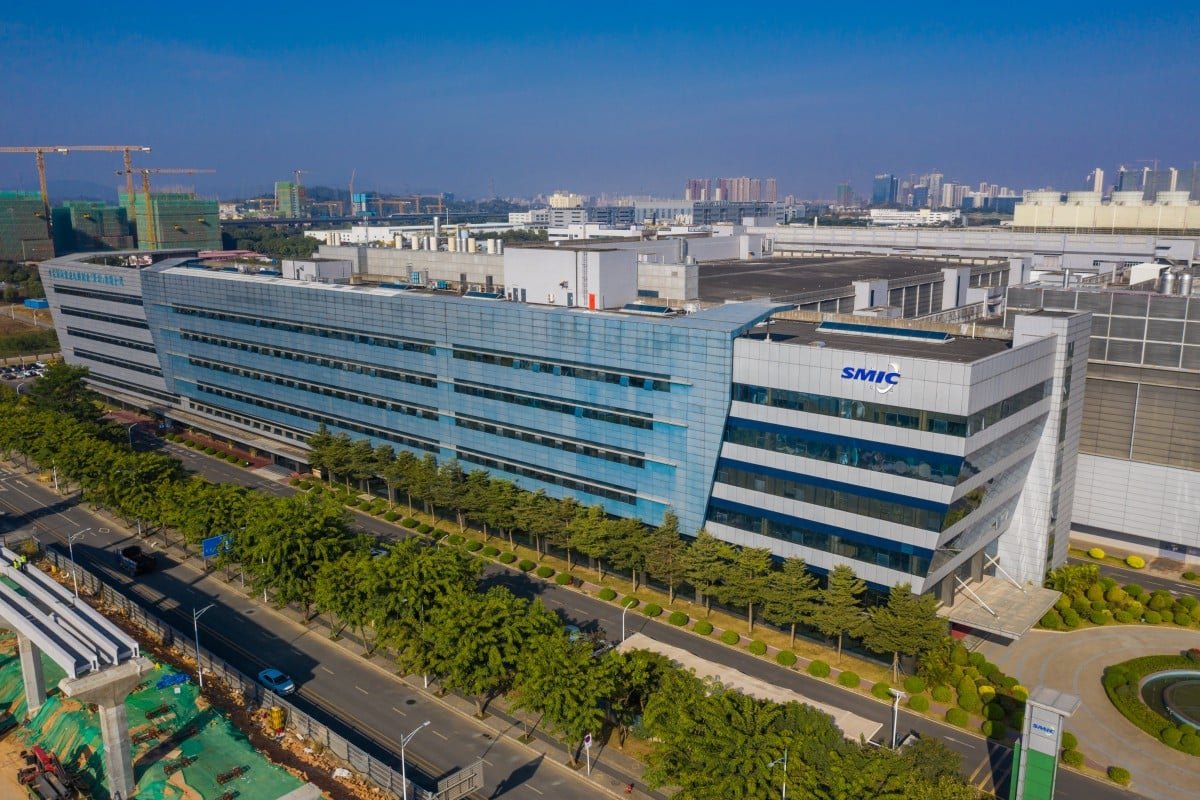

Shenzhen, a major technology hub in southern China, has launched a dedicated semiconductor industry fund worth 5 billion yuan (approximately US$692.5 million) to bolster the nation’s self-reliance in chip production. The fund is managed by Shenzhen Capital Group, a state-owned investment firm, as part of a broader push to strengthen China’s semiconductor sector amidst growing geopolitical tensions with the United States.
The newly established fund, named Saimi (pronounced “semi”), is primarily funded by the Shenzhen municipal government’s guidance fund and the Shenzhen Longgang District’s guidance fund. Shenzhen Capital Group and Shenzhen Major Industry Investment Capital, a subsidiary of the Shenzhen Major Industry Investment Group, are the general partners overseeing the fund. The initiative is officially registered in the city’s Longgang district, with an initial contributed capital of 3.6 billion yuan, according to corporate data from Tianyancha. The municipal finance bureau is the controlling shareholder, holding a 69.4 percent stake in the fund.
This move reflects Shenzhen’s ongoing strategy to leverage state-backed capital and targeted industrial policies to nurture the semiconductor industry, which is seen as critical for China’s technological independence. With semiconductor shortages and supply chain disruptions exacerbated by ongoing US-China tensions, this investment underscores Shenzhen’s commitment to strengthening its domestic chip production capabilities.
In addition to the Saimi fund, Shenzhen has already established 38 other funds related to integrated circuits (ICs), collectively valued at over 100 billion yuan. The city has also accelerated efforts to establish new funds worth 10 billion yuan to further support its semiconductor ecosystem. Notably, Shenzhen-based SiCarrier, a chip equipment maker with ties to Huawei Technologies, has gained significant attention following a major trade event in March, demonstrating the kind of companies that are benefiting from the city’s financial backing.
Shenzhen’s focus on semiconductor development aligns with national goals to reduce dependence on foreign technology and bolster the country’s tech sector. By leveraging targeted investment and policies, Shenzhen is positioning itself as a key player in China’s broader effort to enhance its chip manufacturing capabilities and ensure technological self-sufficiency in the face of rising geopolitical challenges.
READ MORE: