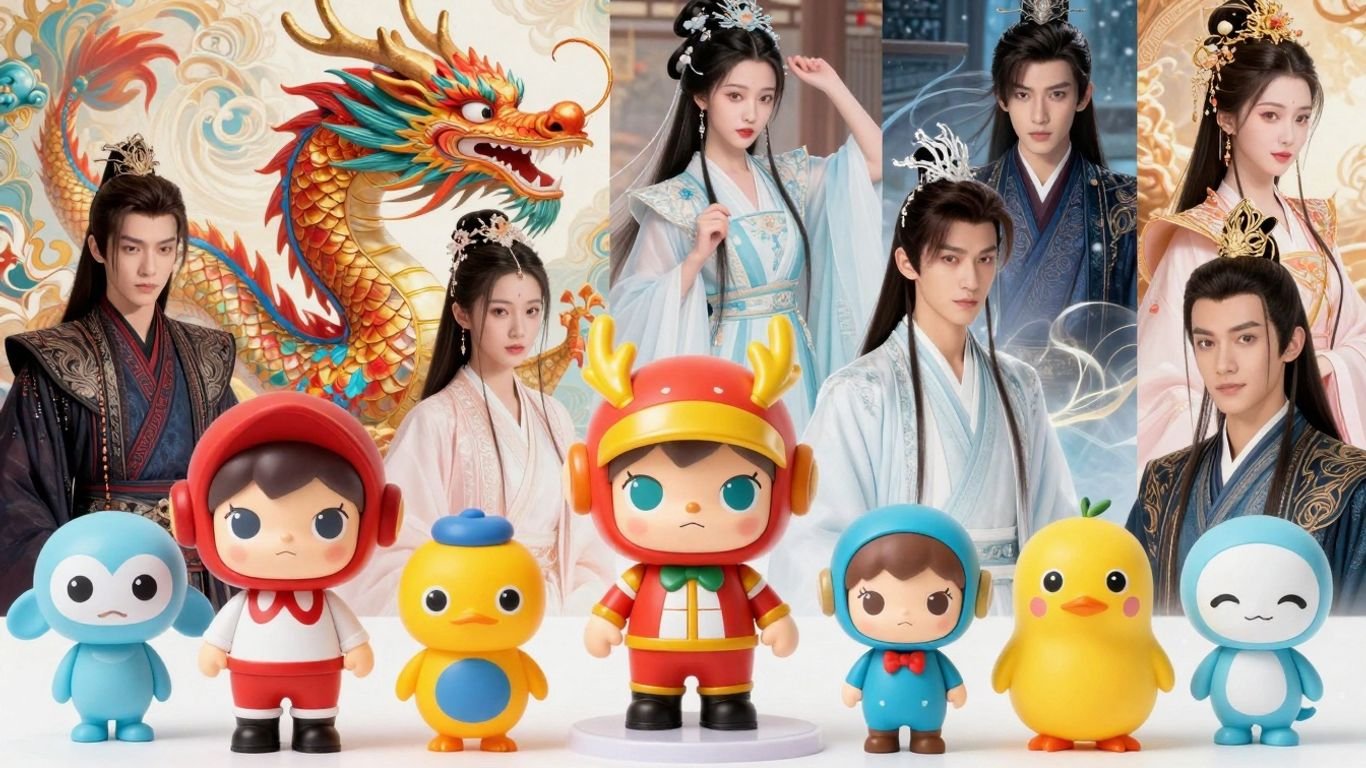

Chinese grass-roots culture is increasingly capturing the attention of a global audience, moving beyond traditional diplomatic gestures to resonate through popular entertainment and digital platforms. This shift signifies a growing soft power influence, as diverse cultural expressions find unexpected popularity worldwide.
A World of Chinese Stories and Sounds
For many outside China, the connection to Chinese culture is being forged through digital avenues. Individuals like Natalie Hubble, a US military veteran, are immersing themselves in Chinese fantasy novels, such as “Grandmaster of Demonic Cultivation,” and even learning traditional instruments like the guqin via online platforms. Social media and the internet serve as crucial bridges, offering glimpses into Chinese life and creativity for those across the globe.
The Rise of Labubu and Gaming Blockbusters
The toy phenomenon Labubu, characterized by its rabbit ears and grin, has become a symbol of China’s burgeoning popular culture influence. Celebrities like Rihanna and David Beckham have been photographed with the doll, and its manufacturer, Pop Mart, reported a staggering revenue increase in 2025, with a significant portion of sales occurring outside China. The demand has been so high that Pop Mart temporarily suspended sales in its UK stores due to fights over the toy. Xinhua, China’s state news agency, highlighted Labubu as an example of “Chinese creativity, quality and culture in a language the world can understand.”
Beyond toys, the video game industry is also a significant vector for Chinese cultural export. “Black Myth: Wukong,” a game inspired by the classic novel “Journey to the West,” sold an impressive 10 million copies within its first three days of release in 2024, with a sequel quickly announced. These successes mark a departure from traditional soft power tools like panda diplomacy.
Reshaping Global Perceptions
The growing popularity of these cultural exports is seen as a strategic move to enhance China’s soft power, influencing international perceptions through culture rather than coercion. This approach echoes the successful “Cool Japan” initiative and South Korea’s K-pop and K-drama global dominance. Data suggests a positive shift in global views of China, particularly among younger demographics in the US, with fewer seeing China as an adversary.
This cultural wave is also making inroads into Taiwan, with trends like the “Section Three” dance craze gaining traction on global platforms. The increasing use of Chinese social media among younger Taiwanese further indicates a growing cultural connection. As Chinese pop culture reaches new audiences, icons like Labubu are poised to become enduring global phenomena, akin to anime and K-pop, with lasting cultural and economic impact.