
In a dramatic turn of events, President Trump ultimately decided against launching military strikes on Iran last week, despite significant internal pressure and preparations for an attack. The decision, which surprised many in Washington and across the Middle East, was influenced by a confluence of factors including warnings from allies, concerns over military readiness, and crucial diplomatic backchannel communications.
Escalating Tensions and Military Options
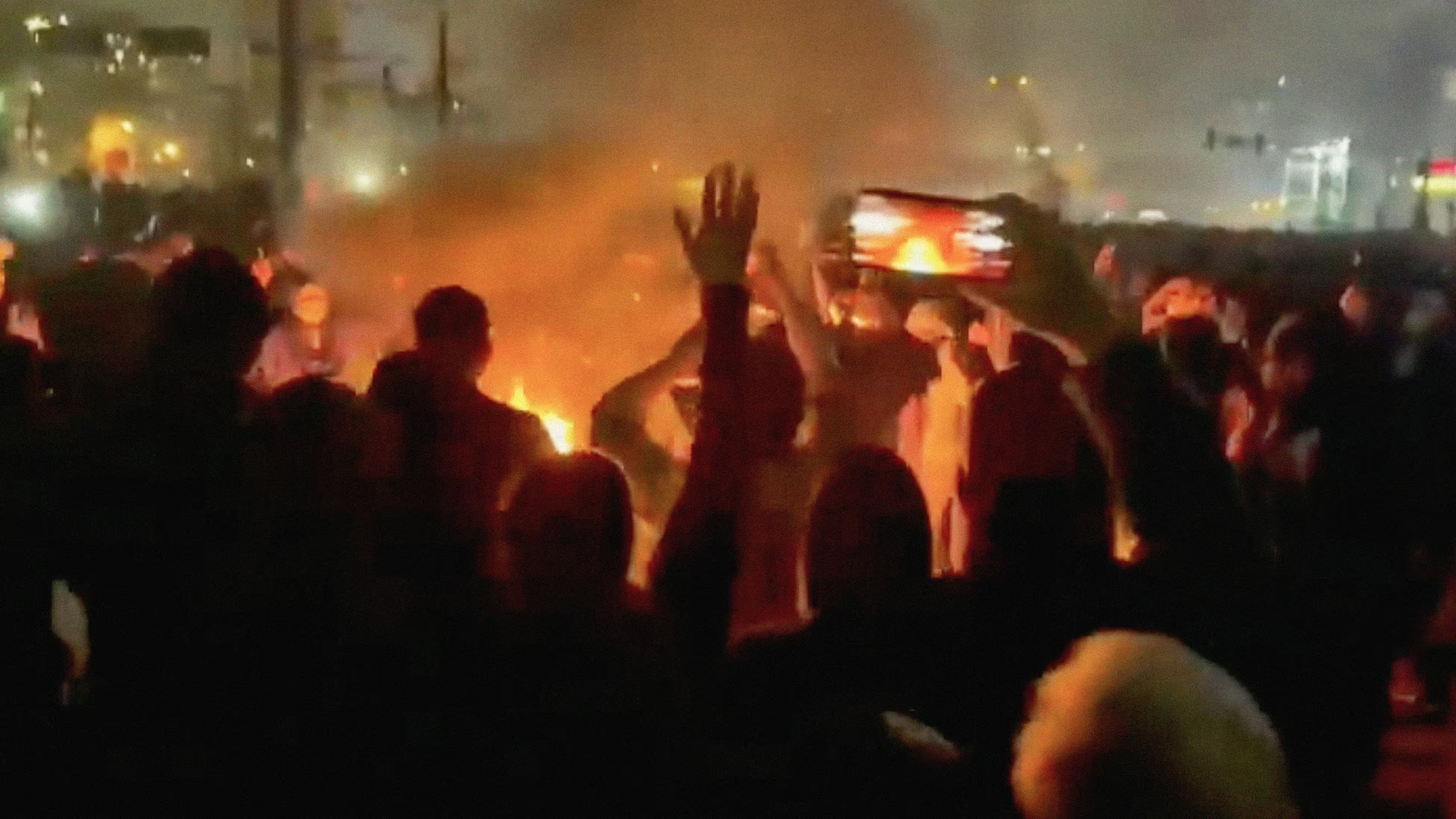
By early January, as protests intensified in Iran and the regime responded with brutal force, the Trump administration began seriously considering military action. High-level meetings were convened, and the President was presented with various strike options targeting Iranian regime assets. Intelligence briefings highlighted the severity of the crackdown, with thousands of protesters believed to have been killed.
The Diplomatic Lifeline
A critical turning point emerged through a backchannel communication. Iranian Foreign Minister Abbas Araghchi reportedly reached out to US Special Envoy Steve Witkoff, conveying that Iran would halt planned executions of protesters and cease the killings. This reassurance, delivered via text, is said to have significantly influenced Trump’s decision to hold off on the strikes.
Allied Concerns and Regional Stability
International pressure also played a crucial role. Israeli Prime Minister Benjamin Netanyahu spoke with Trump multiple times, expressing concerns about Israel’s readiness to defend itself against potential Iranian retaliation, especially given the perceived lack of sufficient US military assets in the region. Similarly, Saudi Crown Prince Mohammed bin Salman conveyed deep concerns about the impact on regional stability.
The Decision to Stand Down
Despite the military being prepared and an expectation of imminent action, Trump ultimately chose not to pull the trigger. Factors cited include the insufficient military hardware in the region, warnings from allies, concerns about the effectiveness and implications of the strike options, and the crucial diplomatic signals from Iran. While the immediate threat of strikes has receded, officials indicate that military operations against Iran remain a possibility for the future.