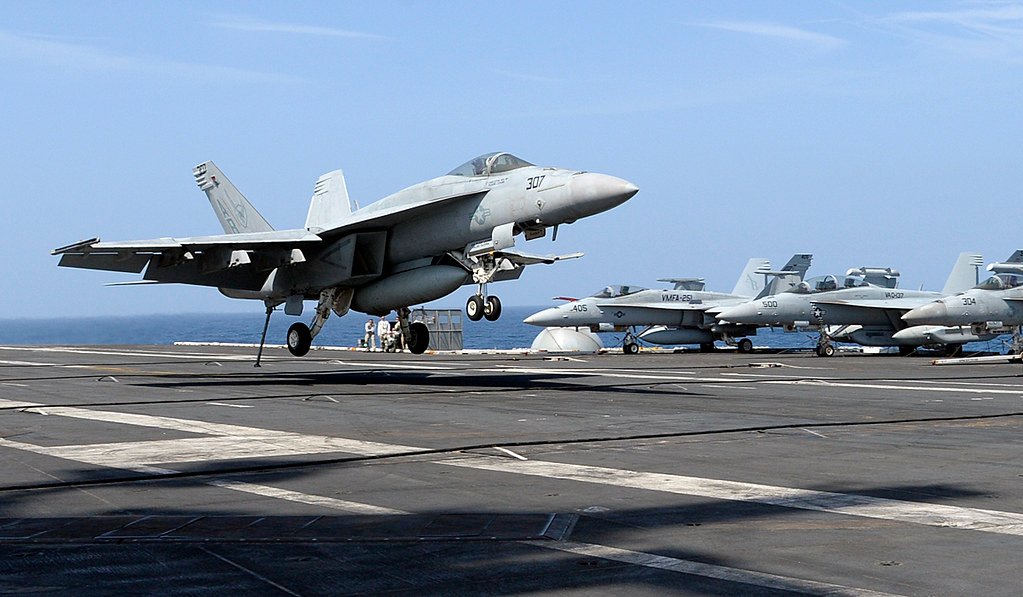

A major US military buildup is unfolding across the Middle East, adding fresh pressure to an already volatile standoff with Iran and sharpening disagreements inside Israel over what any potential strike should aim to achieve.
According to a regional report, military preparations include the arrival of fighter jets in Cyprus, aerial refueling aircraft being readied, and deployments of THAAD air defense systems across multiple locations, including Jordan, Saudi Arabia, and Qatar.
The buildup comes as President Donald Trump publicly escalated his rhetoric, claiming a US “armada” is heading toward the region as Iran’s protest crackdown continues to worsen. In a report on the deployments and political fallout, the force package was described as including a carrier strike group, guided-missile destroyers, and enhanced air defenses—moves designed to signal deterrence, but carrying clear risks of escalation.
Strategists say the posture shift is meant to strengthen deterrence and reassure allies, but it could also accelerate the march toward confrontation if Tehran interprets the deployments as preparation for imminent strikes. That assessment is outlined in an analysis of what the posture shift means, which argues Washington is not merely repositioning assets, but building readiness in an increasingly unpredictable environment.
Iranian officials and influential voices have responded with warnings of retaliation. In a Reuters report, an Iranian cleric suggested Tehran could target US-linked investments in the region if attacked, while Iranian prosecutors disputed US claims that executions linked to the unrest had been halted.
Meanwhile, the US buildup is feeding a deeper debate in Israel over whether Washington’s next step—if it comes—would be limited and tactical or broader and strategic. The result is a rising sense that the region is entering a new phase where deterrence messaging, domestic political pressure, and military realities are colliding at the same time.