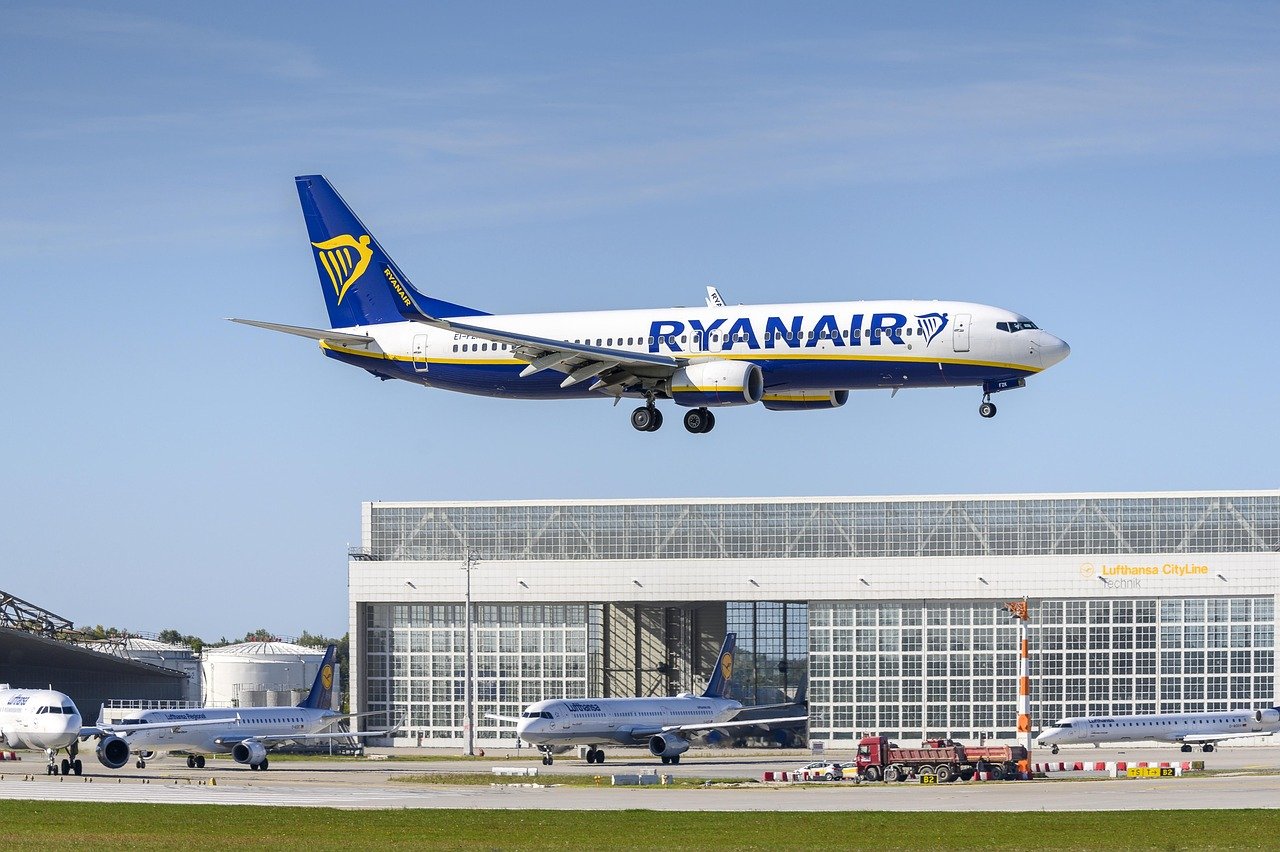

Ryanair reported a sharp drop in quarterly profit after setting aside a major provision linked to an Italian competition fine, but the airline said demand remains strong and upgraded its outlook for fares and full-year earnings.
The low-cost carrier said profit after tax before exceptional items fell 22% to €115 million in the three months to the end of December, down from €149 million a year earlier. The result was weighed down by an €85 million exceptional charge connected to an antitrust case in Italy, where regulators have accused the airline of abusing its dominant position.
The provision covers about one-third of a €256 million fine issued by Italy’s competition authority, with Ryanair insisting the penalty is unjustified and saying it expects to overturn it on appeal.
Despite the profit decline, Ryanair’s underlying performance remained resilient. Revenue rose 9% to €3.21 billion, supported by higher traffic and slightly stronger pricing. Passenger numbers increased 6% to 47.5 million, while the average fare climbed 4% to €44. The airline’s load factor remained high at 92%, showing planes continued to fly nearly full.
Costs also rose, especially fuel and operational charges, while another factor pressuring the quarter was the absence of aircraft delivery-delay compensation that benefited results in the prior year. Net finance and other income dropped sharply compared to the previous year, which had included significant compensation tied to Boeing delays.
Even with the fine-related hit, Ryanair said its forward indicators have strengthened. The company pointed to a surge in early 2026 bookings and said consumer appetite for travel remains extremely strong. Chief Financial Officer Neil Sorahan said: “Consumer demand is very strong. We’ve had our two best-ever booking weeks in the last couple of weeks. I see no slowdown in people wanting to get away.”
Ryanair now expects fares to grow faster than previously projected and forecast annual after-tax profit to jump to between €2.13 billion and €2.23 billion for the year ending March 31, a significant increase from last year’s €1.6 billion.
The airline also said Boeing delivery timelines are improving, giving it more confidence about fleet planning after recent years of constraints that limited growth.