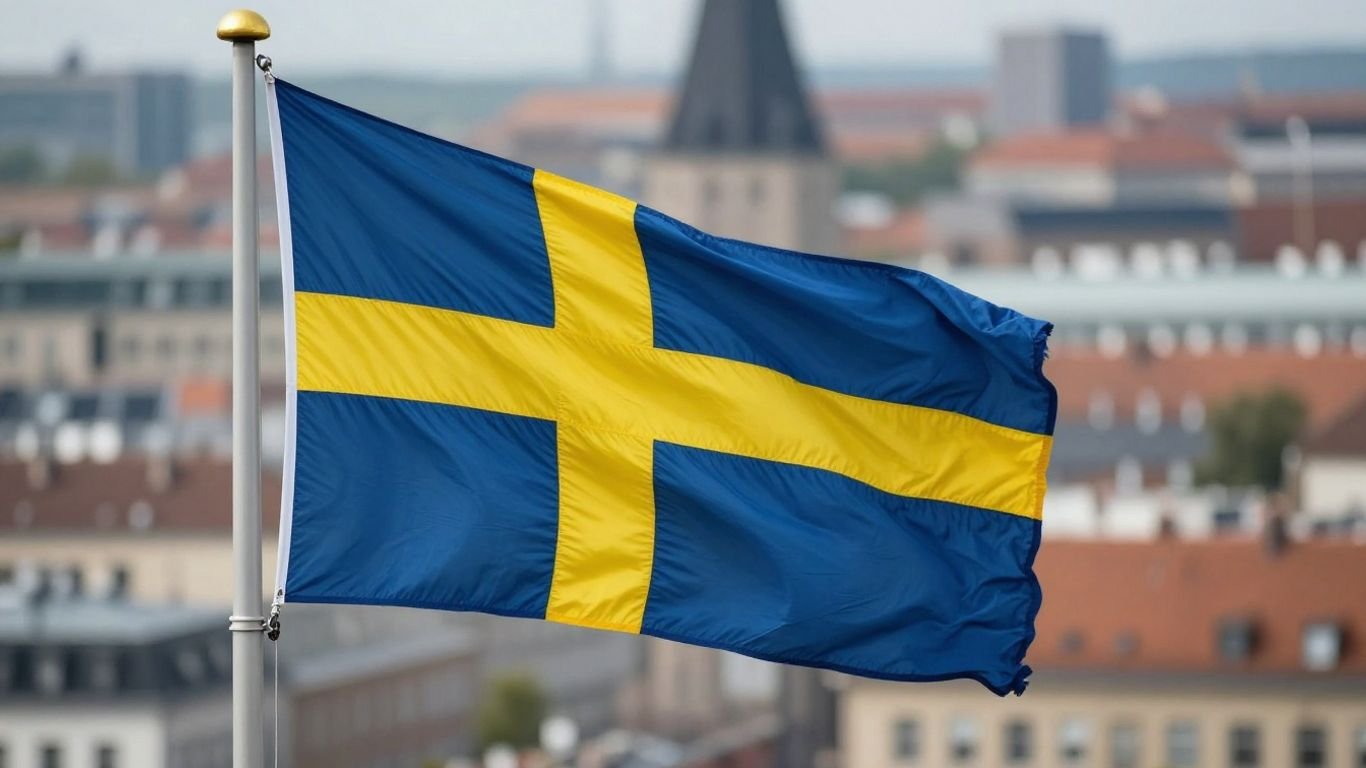

Sweden is reevaluating its long-standing reluctance to adopt the euro amid growing geopolitical tensions and shifting alliances under U.S. President Donald Trump’s “New World Order.” This historic debate comes decades after Swedes rejected the common currency in a 2003 referendum, but global instability is now reigniting the discussion.
In the early 2000s, the main concern for Swedes when rejecting the euro was economic: retaining control over monetary policy and using the krona as a financial buffer. However, the world has changed. Russia’s invasion of Ukraine fast-tracked Sweden’s NATO membership, turning traditional security assumptions upside down. President Trump’s unpredictable approach to international relations has added a sense of urgency for Sweden and other small countries to strengthen their European ties.
The current debate is fueled as much by security worries as by economic arguments. Sweden’s politicians, especially in the Liberal Party, argue that joining the eurozone would deepen political bonds with the EU, giving Sweden a say in critical monetary matters while reducing dependency on volatile global power dynamics.
On economic grounds, joining the euro could mean more stable and cost-effective trade for Swedish companies. Roughly 60% of Sweden’s exports go to EU countries, far outweighing its trade with the U.S. Business leaders and economists have also pointed to the krona’s volatility as a hindrance, suggesting that adopting the euro may help attract investment and shield Swedish industry from currency swings. Recent studies indicate Sweden’s economy is now closely synchronized with the eurozone, reducing the benefits of maintaining a separate currency.
Despite increasing conversation, significant hurdles remain. Polls still show a narrow majority of Swedes oppose switching to the euro, with about a third favoring the move. Political parties are hesitant to take a firm stance, with only the Liberals pushing openly for euro adoption. The finance minister has publicly supported a formal inquiry into the pros and cons but has made it clear that any change would require broad public backing and is unlikely to happen within the next few years.
The opposition, led by nationalist and left-wing parties, continues to tie currency sovereignty to national independence, arguing that joining the euro could compromise Sweden’s economic autonomy.
Should the political and public mood shift further in favor of the euro, the process of switching currencies would not be immediate. Experts estimate it would require at least four years, including demonstrating stable exchange rates and preparing the economy for integration.
If Sweden’s history with NATO accession is any guide, sudden geopolitical shocks could accelerate this timeline. For now, however, the debate marks a significant moment in Sweden’s ongoing adaptation to a rapidly changing world.