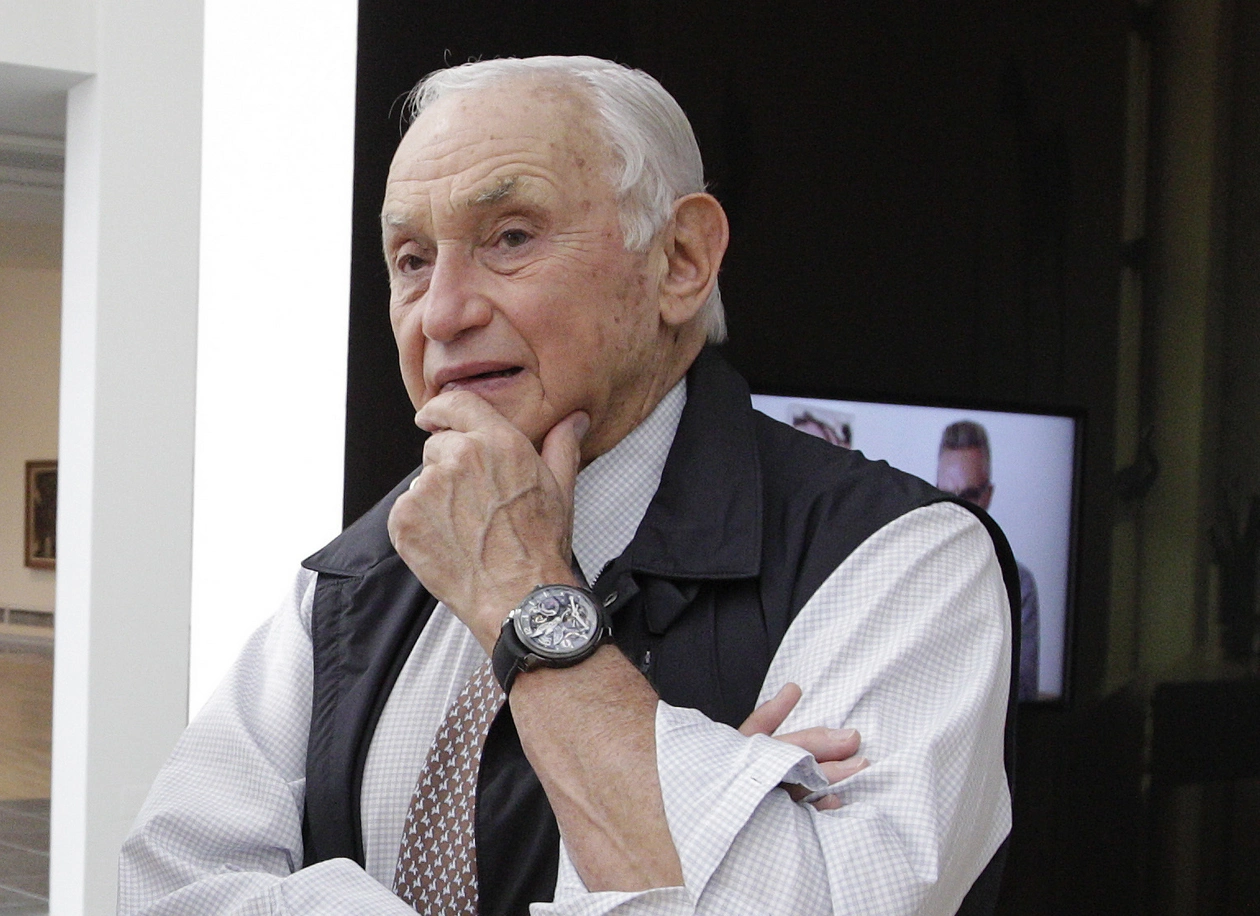

Billionaire Leslie Wexner, former CEO of the retail conglomerate L Brands, has come under renewed scrutiny following his closed-door deposition before members of the U.S. House Oversight Committee. Lawmakers are raising tough questions about his decades-long association with Jeffrey Epstein, with doubts emerging about the truthfulness of his recent testimony and his claims of innocence.
Wexner’s connection to Epstein dates back to the mid-1980s when he hired Epstein as his financial adviser. Over the following years, Wexner granted Epstein unusual and broad control over his financial and philanthropic empire, including power of attorney. Epstein’s access to Wexner’s wealth allowed him to purchase high-profile properties, establish a luxury lifestyle, and gain access to influential circles.
Lawmakers and critics argue that this relationship was pivotal in Epstein’s rise, supplying him with both the legitimacy and resources needed to facilitate and expand his criminal operations. Wexner, however, asserts he had no knowledge of any wrongdoing and cut ties with Epstein after learning he had stolen from his family.
During the hours-long deposition, Wexner insisted he was deceived by Epstein and described himself as “naive, foolish, and gullible.” He acknowledged his role in empowering Epstein financially but denied any awareness or participation in illegal activities, even stating he had only visited Epstein’s infamous private island once with family for a short time.
Democratic lawmakers who attended the deposition were unconvinced. They pointed to the massive sums and extensive access Wexner provided Epstein, arguing that it is hard to believe such a close and lucrative relationship could have existed without deeper knowledge of Epstein’s affairs.
Recently released Justice Department files contain numerous references to Wexner in emails, financial documents, and legal filings, fueling speculation about the depth of his involvement. These documents reveal complex transactions, including the transfer of valuable properties and large sums that contributed to Epstein’s rise in elite social circles.
The latest revelations also draw attention to how Wexner’s philanthropy and business interests intersected with individuals later implicated in the Epstein scandal, adding further pressure on lawmakers to hold him accountable.
The political impact is spreading, with both Democrats and Republicans facing calls to distance themselves from Wexner and other powerful men linked to Epstein. Several politicians are already redirecting campaign donations from Wexner to charity. The issue has become a flashpoint, highlighting broader challenges in holding the elite to account when their networks and fortunes have facilitated serious crimes.
Wexner continues to assert his innocence and willingness to cooperate, but for many on Capitol Hill and in the court of public opinion, the matter is far from settled. Lawmakers are vowing to press on with their investigation to determine the true extent of his ties to Epstein.