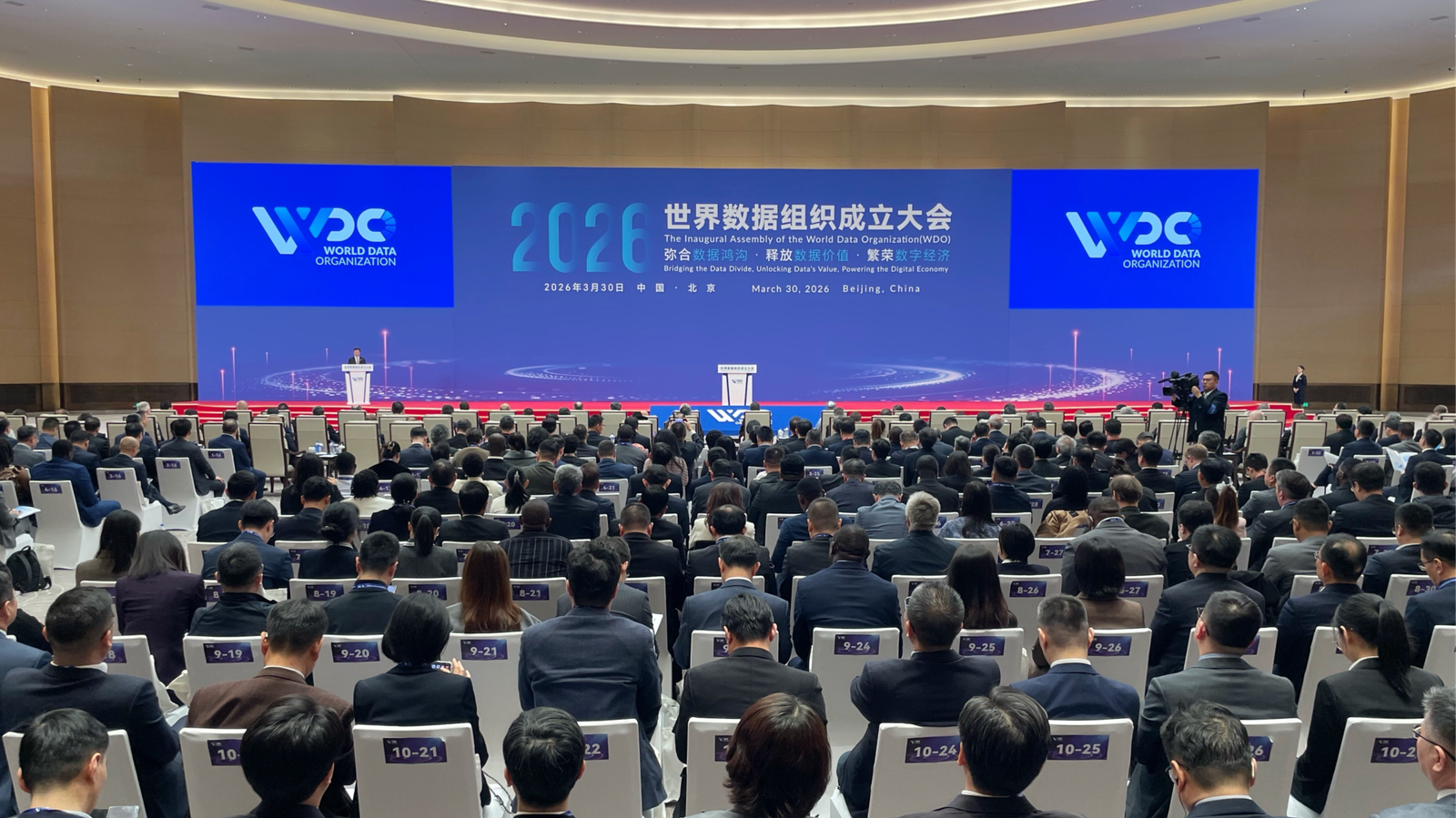

The World Data Organization (WDO) officially commenced operations in Beijing on March 30, 2026, establishing itself as the premier international non-governmental, non-profit platform dedicated to advancing data development and governance. The inaugural general meeting saw the adoption of the WDO’s charter and the election of its leadership, marking a significant step towards global data collaboration.
The newly established World Data Organization is poised to become a crucial hub for global data governance and collaboration. Its primary objectives include bridging the digital divide, maximizing the value of data, and fostering robust digital economic growth. The organization intends to evolve into an influential global platform by 2030, serving as a “trust anchor” for cross-border data flows.
The WDO will concentrate on two main pillars:
- Breaking Barriers: This involves addressing inconsistencies in data policies across nations, promoting industry consensus, and recommending standards and best practices. The goal is to assist governments and research institutions while reducing compliance costs for multinational corporations.
- Building Ecosystems: This pillar focuses on deploying data applications in critical sectors like healthcare, education, and energy to drive innovation and project implementation. It also emphasizes strengthening talent development, particularly in the Global South, to mitigate the digital divide.
From its inception, the WDO has garnered significant international support, bringing together over 200 members from more than 40 countries. Its diverse membership comprises enterprises, universities, think tanks, international organizations, and financial institutions. These members represent 14 key industries, including manufacturing, finance, healthcare, e-commerce, transportation, energy, and agriculture, creating a broad and synergistic collaborative ecosystem.
Unlike treaty-based institutions, the WDO will not enforce binding rules. Instead, its approach centers on policy coordination, standards recommendations, technical collaboration, and capacity building. The organization is structured as a voluntary international association, ensuring equal participation and voting rights to broaden representation in global data discussions. Its governance model is designed to foster inclusivity and broad consensus among its international members.