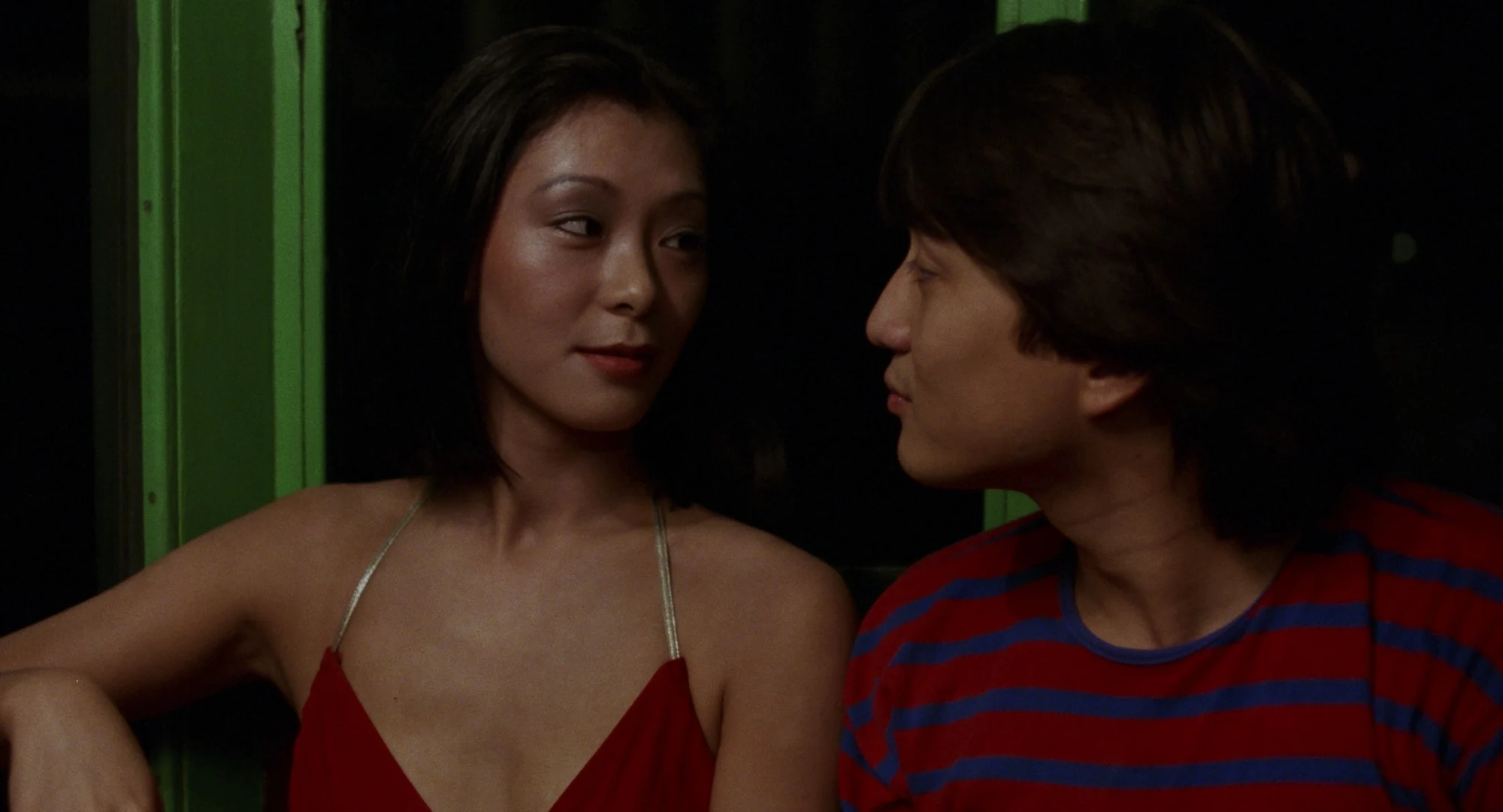

The Hong Kong New Wave film movement of the late 20th century produced some of the most groundbreaking and iconic movies that pushed the boundaries of storytelling, cinematography, and thematic exploration. At the forefront of this movement were two passionate filmmakers, Patrick Tam Ka-ming and Ann Hui On-wah. Their shared beginning, rooted in the bustling studios of the Hong Kong broadcaster TVB, became the launchpad for their individual cinematic journeys, with each carving a distinct niche for themselves in the landscape of Hong Kong cinema.
Despite their common starting point, their mentor-mentee relationship, and their association with the New Wave, Tam and Hui’s filmography showcased striking contrasts in their storytelling styles and thematic concerns.
Patrick Tam, always an advocate for innovative cinematic techniques, had a penchant for pushing the envelope when it came to the style of Hong Kong movies. He was never one to adhere strictly to established norms and frequently took risks to explore new frontiers of filmmaking. In his quest for uncharted territories, he sought to rejuvenate the cinematic language of Hong Kong films, introducing fresh visual and narrative elements that, at times, were far removed from mainstream cinema. His film “Nomad” is a testament to this experimental approach. With its avant-garde style and aesthetic, “Nomad” not only became a hallmark of Tam’s oeuvre but also served as a vivid example of the adventurous spirit of the New Wave.
On the other hand, Ann Hui On-wah’s cinematic journey took a more grounded path. While Tam delved deep into the abstract, Hui chose to spotlight the tangible realities of society. Her films, often imbued with a strong sense of realism, aimed to shed light on pressing social issues of her time. Her storytelling was direct, powerful, and often resonated with the struggles and aspirations of everyday people. “The Story of Woo Viet” is one such narrative, offering a poignant reflection on societal issues. Through this film and others, Hui firmly established herself as a filmmaker deeply attuned to the pulse of her society, using her platform to amplify voices that often went unheard.
Together, Patrick Tam’s “Nomad” and Ann Hui’s “The Story of Woo Viet” serve as emblematic representations of the Hong Kong New Wave movement. They encapsulate the movement’s dual ambitions: to challenge and expand the cinematic boundaries of Hong Kong movies and to provide incisive commentary on pressing societal matters. While both directors emerged from the same crucible of early-career experiences at TVB, their contrasting artistic visions have ensured their places as unique and enduring pillars of Hong Kong cinema.
READ MORE: