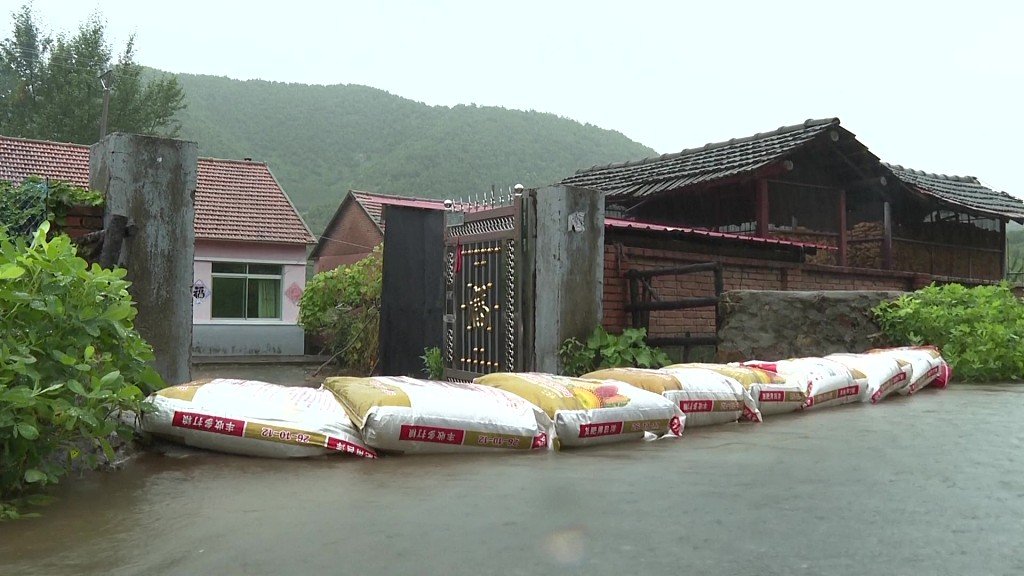

China, a rapidly developing nation with a vast expanse and a multitude of terrains, has not been immune to natural disasters. These calamities often inflict widespread damage to infrastructure, affecting millions of lives. In a recent move to alleviate these issues, the National Administration of Financial Regulation (NAFR) has put forth strategies to support reconstruction endeavors in these disaster-affected regions.
Proactive Steps by the NAFR
On Monday, the NAFR announced its intention to bolster credit support for infrastructure reconstruction and upgrades in disaster-ravaged areas. This decision is aimed not just at rebuilding, but at ensuring that people and businesses within these zones can recover swiftly and effectively.
The crux of infrastructure development lies in transportation, telecommunication, gas and power supply, water conservation, and water-logging prevention. These sectors form the backbone of any thriving society. Recognizing their significance, the NAFR has highlighted these areas for added lending support.
Special Credit Products: Aiding Small and Micro-Enterprises
The socio-economic fabric of many regions in China is woven by small and micro-companies, individual businesses, farming, breeding enterprises, and rural households. These units, while significant, often find it hard to access credit due to various constraints.
Addressing this, the NAFR encourages banks to develop special credit products tailored for these enterprises and households in disaster-affected regions. This isn’t just about offering loans; it’s about understanding the specific needs of these sectors, appreciating the unique challenges they face, and devising financial products that can genuinely assist in their recovery and growth.
Insurance Companies: Stepping Up with Long-Term Capital
While banks play a pivotal role in immediate financial assistance, insurance companies have a longer-term perspective. The NAFR emphasizes this by encouraging insurance firms to allocate long-term capital for crucial projects related to infrastructure and public services in affected areas.
This move ensures a consistent flow of funds, enabling not just the rebuilding of the affected areas but also the potential for enhancing them beyond their pre-disaster status. It represents a foresight that aims at a more resilient and better-equipped future for these regions.
A Nationwide Call for Support
The NAFR’s initiatives don’t just stop at policy declarations. They have actively called on financial institutions across China to step up and address the pressing needs of those living in the disaster-hit areas. The flooding, in particular, has been a recurrent concern, impacting both the socio-economic fabric and the daily lives of millions.
By rallying financial institutions to mitigate the flooding’s repercussions on economic development, social structures, and people’s lives, the NAFR hopes to catalyze a nation-wide response. It’s a testament to China’s commitment to ensuring that no region, regardless of the challenges it faces, is left behind.
Conclusion
China’s proactive approach, as outlined by the NAFR, showcases a comprehensive strategy that goes beyond mere reconstruction. By focusing on both immediate relief and long-term resilience, the country aims to set a precedent for how nations can effectively respond to natural disasters. It’s a model that emphasizes inclusivity, understanding the smallest businesses and households’ needs while rallying nationwide resources to uplift entire communities.
As the world watches, China’s commitment to its disaster-affected areas will not only result in physical reconstruction but also in the strengthening of societal bonds and a resilient blueprint for the future.
Read More: