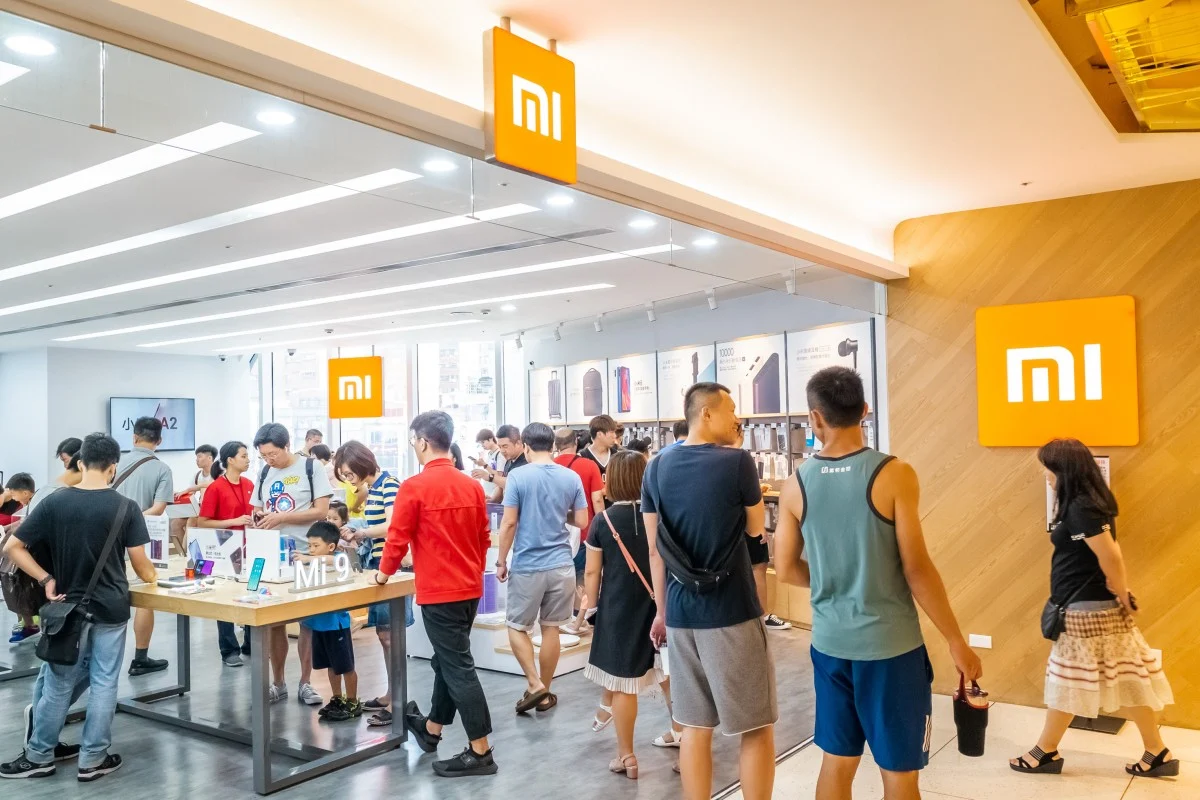

In Taiwan, a fascinating consumer trend is emerging, particularly in the realm of technology. Despite ongoing political tensions with mainland China, Taiwanese consumers, like Hsu Wei and David Tang, are frequently drawn to mainland Chinese tech products due to their competitive pricing and satisfactory performance. This phenomenon underscores a complex interplay between economics, politics, and consumer behavior.
Hsu Wei’s choice of a Xiaomi portable phone printer over a pricier Fujifilm model exemplifies this trend. At NT$1,600 (US$50), the Xiaomi product’s affordability was a decisive factor, overshadowing any geopolitical considerations. This pattern of prioritizing “cost-performance value” is common among Taiwanese shoppers who seek practicality and affordability in their tech purchases.
Hu Jin-li, a professor at Taipei’s National Yang Ming Chiao Tung University, notes that despite geopolitical tensions, Taiwanese consumers remain inclined towards high-value Chinese products. The appeal of these products often lies in their competitive pricing and satisfactory functionality.
However, the consumer landscape is not uniform. For some Taiwanese, concerns about product longevity and potential mechanical issues, such as freezing screens, dampen the allure of mainland Chinese tech. Despite this, many are willing to compromise, accepting the need for periodic replacements in exchange for the initial cost savings and functional advantages.
The political backdrop also plays a role in shaping consumer attitudes. Beijing’s view of Taiwan as a breakaway territory underpins a complex relationship, influencing how some Taiwanese perceive mainland products. Nevertheless, pragmatic considerations often prevail, with consumers like Chang Chih-pin seeing the practicality in replacing electronic devices regularly, regardless of their origin.
Mainland Chinese brands have established a strong presence in Taiwan, with companies like Oppo, Lenovo, and Xiaomi offering competitive prices and increasing their sales channels. Oppo, for instance, has expanded its physical retail outlets, while Lenovo competes effectively in the PC market, thanks to its price advantages and consistent product updates.
Software platforms like Xiaohongshu also find favor among Taiwan’s youth, offering diverse and relatable content. Despite the widespread appeal of these products, some Taiwanese remain cautious, citing concerns over data security and labor standards in mainland factories.
This dynamic market scenario in Taiwan reflects a broader trend in global consumer behavior, where economic factors often intersect with political sentiments. As Taiwanese consumers navigate their tech choices, they weigh not only the cost and quality of products but also the broader implications of their purchasing decisions.
READ MORE: