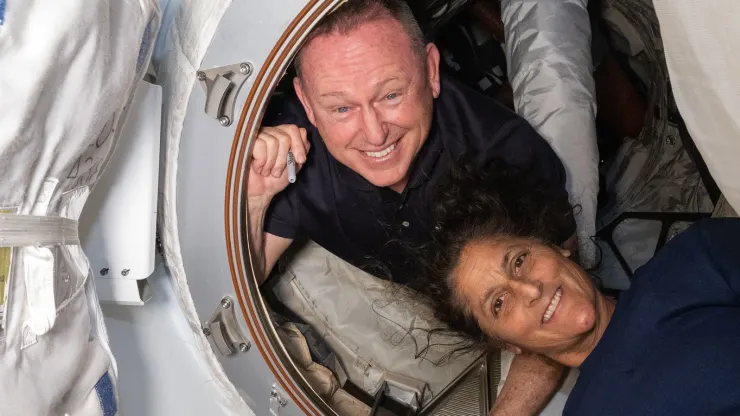

Boeing’s Starliner capsule, currently docked at the International Space Station (ISS), will return to Earth without the NASA astronauts it delivered in early June, as announced by the agency. NASA has decided that astronauts Butch Wilmore and Suni Williams will now return to Earth aboard SpaceX’s Dragon spacecraft instead. The Dragon capsule is set to launch on its ninth regular mission to the ISS for NASA on September 24.
Originally, Wilmore and Williams were expected to stay aboard the ISS for about nine days and then return in the Starliner. However, they will now extend their stay for approximately six more months, returning in February on SpaceX’s Crew-9 vehicle. This decision marks a significant shift for NASA and Boeing, as Starliner was initially designated as the primary choice for the crew’s return.
The change comes after issues arose during Starliner’s crew flight test, which was intended to be the final major milestone in the spacecraft’s development. Problems with the spacecraft’s propulsion system, particularly with its thrusters during docking, have been a significant concern. NASA and Boeing have been working together to analyze the data and understand the root causes of these issues.
NASA Administrator Bill Nelson emphasized the importance of safety in making the decision to bring Starliner back empty. He stated that test flights are inherently risky and not routine, and the decision reflects a strong commitment to crew safety. NASA will now conduct another phase of its Flight Readiness Review to determine the appropriate timing for Starliner’s uncrewed return to Earth.
Despite these setbacks, Boeing had previously assured that Starliner was safe for astronaut return in case of an emergency. However, a “technical disagreement” between NASA and Boeing over the evaluation of risks ultimately led to the decision to use SpaceX’s Dragon spacecraft instead. NASA officials have reiterated their support for Boeing, with Nelson expressing confidence that Starliner will eventually carry a crew again.
Boeing’s Starliner capsule, named “Calypso,” has been docked at the ISS since June, with the mission extended indefinitely as NASA and Boeing worked to resolve the thruster issues. These thrusters are crucial for Starliner’s safe return to Earth. The ongoing problems have further delayed Boeing’s progress in NASA’s Commercial Crew program and pose a significant challenge to the company’s future involvement, especially after absorbing over $1.5 billion in losses.
Meanwhile, SpaceX will adjust its Crew-9 mission to accommodate Wilmore and Williams, with only two astronauts instead of the originally planned four. SpaceX President Gwynne Shotwell expressed the company’s readiness to support NASA as needed.
READ MORE: