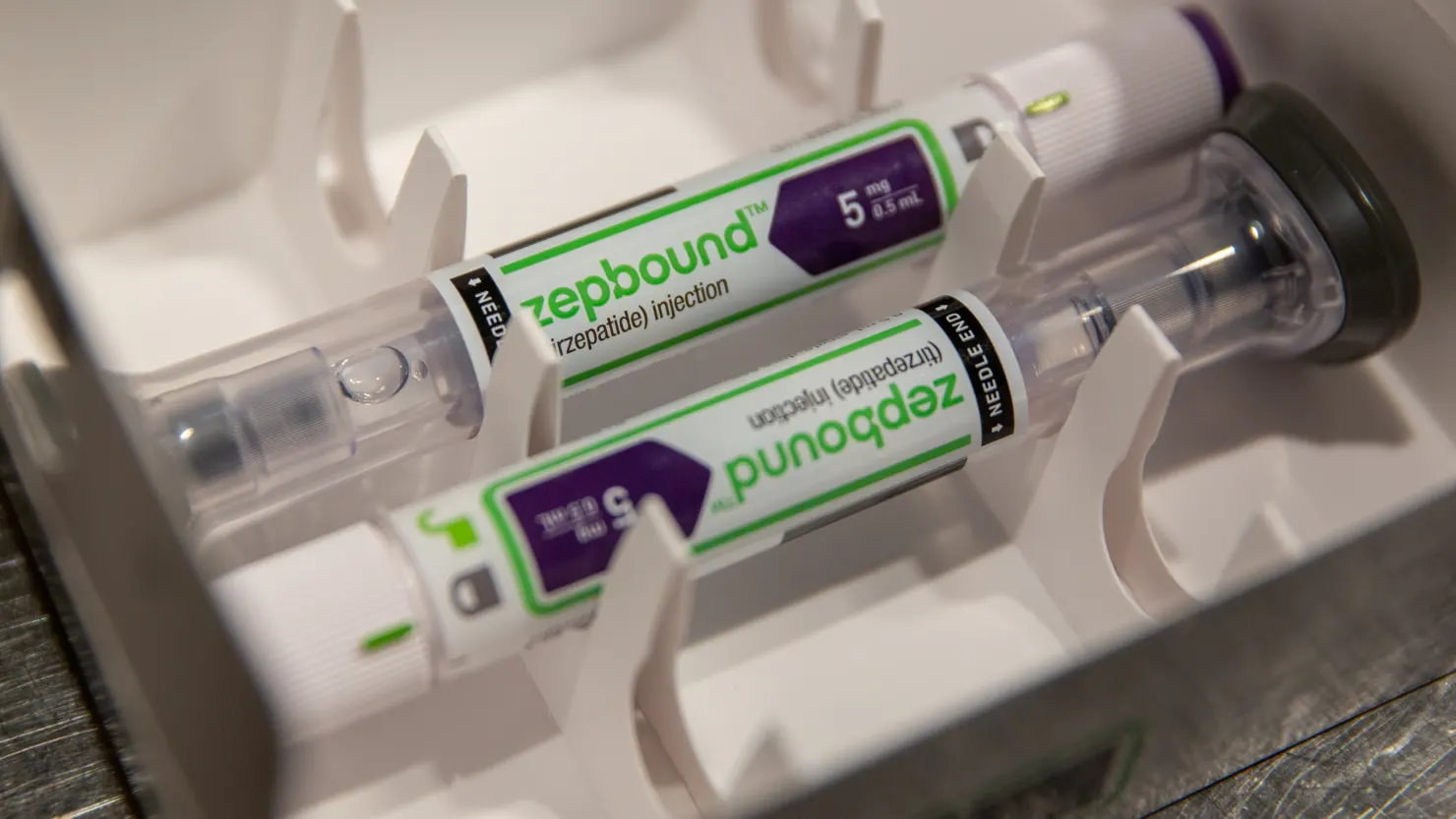

The Food and Drug Administration (FDA) has approved Eli Lilly’s Zepbound, a once-weekly injectable drug, for treating moderate-to-severe obstructive sleep apnea (OSA) in patients with obesity. This marks the first drug treatment option for OSA, expanding its application beyond obesity management. Zepbound is designed to be used alongside a reduced-calorie diet and increased physical activity.
Obstructive sleep apnea, characterized by breathing interruptions during sleep due to blocked airways, affects approximately 80 million people in the U.S., with 20 million experiencing moderate-to-severe cases. Despite its prevalence, around 85% of cases remain undiagnosed. Often dismissed as “just snoring,” OSA can result in serious complications, including stroke and heart failure, making effective treatments critical.
Zepbound’s approval highlights its potential to address unmet needs in OSA treatment. Clinical trials showed significant results, with nearly half of patients achieving “disease resolution.” In these studies, patients receiving the highest doses of Zepbound demonstrated a reduction in apnea-hypopnea index (AHI) events—a measure of airway blockage severity—and reported improved symptoms such as reduced daytime sleepiness.
For patients not using positive airway pressure (PAP) therapy, 43% experienced disease resolution with Zepbound, compared to 14.9% on placebo. Among those continuing PAP therapy, the resolution rate was 51.5% with Zepbound versus 13.6% with placebo. Disease resolution was defined as fewer than five AHI events per hour or achieving specific scores on a survey measuring daytime sleepiness.
Zepbound’s approval is significant for patients seeking alternatives to traditional treatments like PAP machines, which involve wearing masks connected to bulky equipment. The drug’s ability to alleviate OSA symptoms while promoting weight loss offers a comprehensive approach to managing obesity-related conditions.
This decision also underscores the expanding potential of GLP-1 receptor agonists, a class of drugs gaining popularity for treating obesity and diabetes. Zepbound’s approval for OSA may also improve its insurance coverage prospects, including possible inclusion in Medicare, which typically covers medications offering added health benefits.
Eli Lilly plans to launch Zepbound for OSA early next year, providing a promising new option for millions of patients grappling with this sleep disorder.
READ MORE: