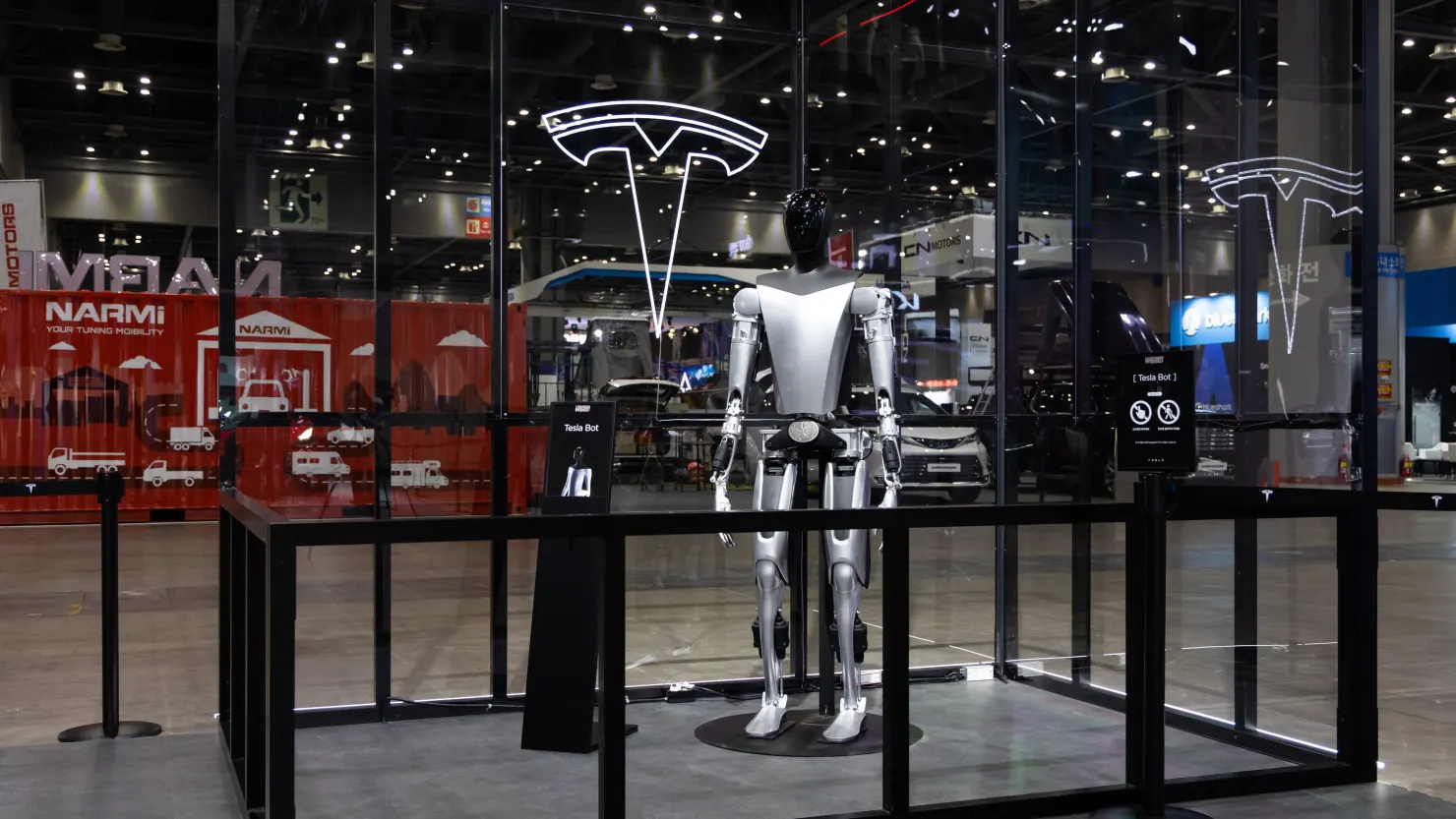

Tesla CEO Elon Musk has confirmed that China’s newly imposed export controls on rare earth magnets are affecting the company’s production of its Optimus humanoid robots. These components are critical for the robots, and Tesla is now working with Beijing to gain approval for continued access. The Chinese government is requiring export licenses for several rare earth elements, following recent trade tensions that have escalated due to tariff policies from the U.S. administration. Beijing, in turn, has requested assurances that the exported materials will not be used for military purposes.
Musk made clear that the rare earth magnets are solely intended for Tesla’s robots, which are being developed for non-military, commercial applications. He emphasized their future role within Tesla’s broader strategy, which heavily depends on autonomous electric vehicles and humanoid robots. These robots, under the name Optimus, are expected to reach a production volume of approximately 5,000 units this year, with deployment planned in Tesla’s electric vehicle factories to boost productivity.
Despite the export restrictions raising the risk of global supply disruptions, Tesla is optimistic about continuing production. The company maintains that thousands of units will still be produced and deployed across its manufacturing operations in 2025. However, uncertainties remain about the pace of production depending on how quickly regulatory and logistical challenges with China are resolved.
Tesla’s reliance on Chinese rare earths underlines a broader vulnerability in the global tech and auto industries, as China continues to control the majority of supply and processing of these critical materials. Meanwhile, the U.S. has limited infrastructure to replace this supply in the short term, which may complicate strategic ambitions for domestic technology manufacturing.
Tesla is not alone in the humanoid robotics race. Chinese companies such as Unitree Robotics and AgiBot are also preparing to ramp up mass production this year, potentially gaining an advantage due to easier domestic access to critical resources. While Musk believes Tesla leads in technological development, he voiced concern about the growing dominance of Chinese firms in this emerging sector.
As Tesla’s electric vehicle sales face headwinds and its stock performance lags, the company is betting big on robotics to become its next major growth engine. Investors and analysts alike are watching closely to see whether the Optimus program can deliver on its ambitious promises amid a rapidly evolving geopolitical and competitive landscape.
READ MORE: