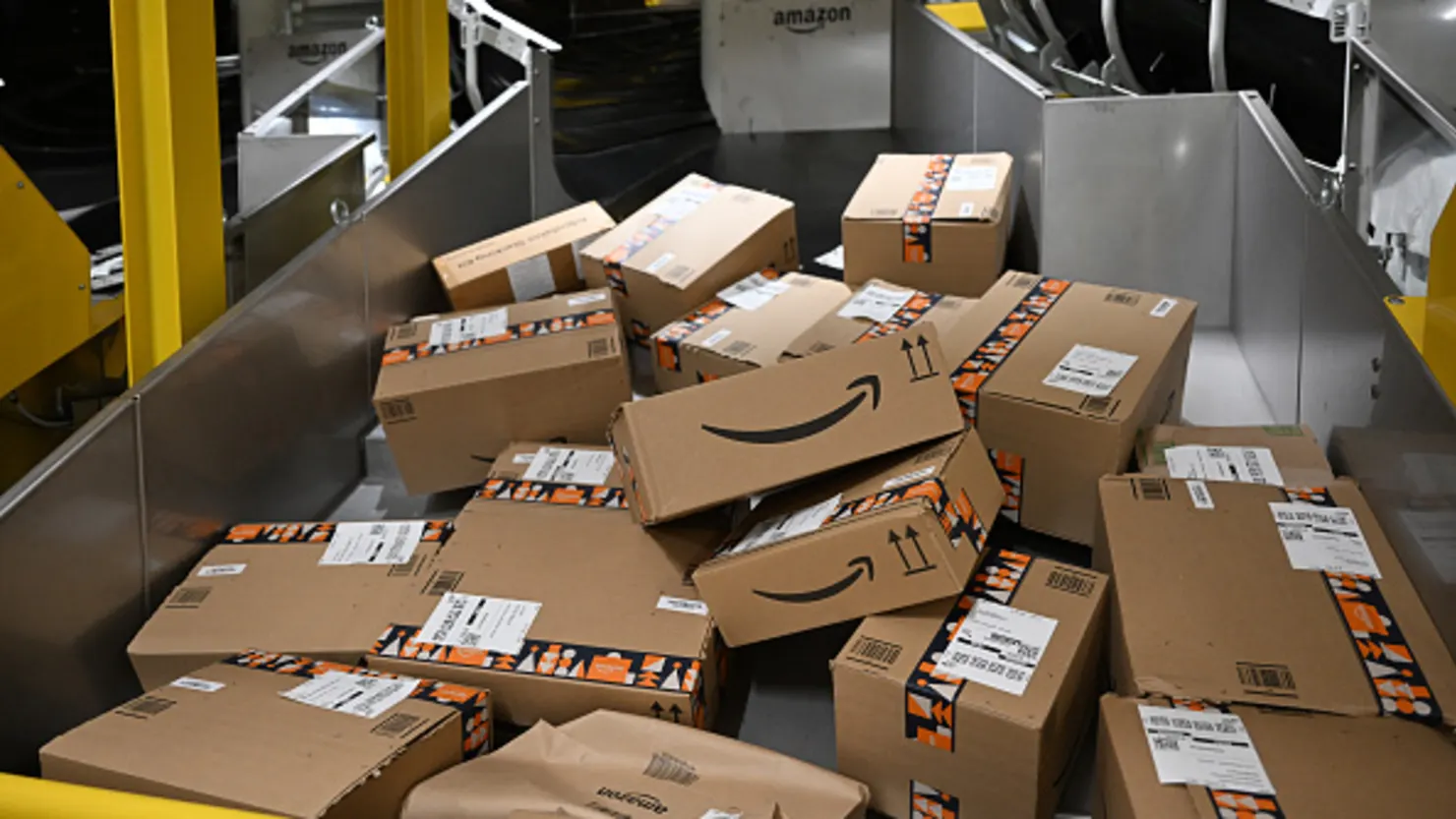

Amazon has officially denied plans to display import charges on products sold through its Haul platform, a low-cost storefront offering items like clothing and home goods for $20 or less. The company clarified that while the idea was considered internally, it was never approved and will not be implemented. The clarification comes after reports claimed Amazon was preparing to list tariffs as a separate cost line on product pages, prompting political backlash and public confusion.
A spokesperson for Amazon confirmed that the Haul team had discussed the possibility of highlighting import charges on some items but emphasized that it was only an internal consideration and not a finalized or authorized change. The proposal reportedly stemmed from concerns over regulatory developments, particularly the potential elimination of the de minimis trade exemption, rather than any direct response to newly imposed tariffs.
Despite the internal discussions, the idea never moved forward. Reports suggesting an imminent rollout of tariff disclosures on Haul triggered criticism from the White House, which viewed the move as politically motivated. In response to the initial reports, a White House spokesperson questioned why Amazon had not taken similar steps during prior periods of economic difficulty, accusing the company of partisanship.
Following Amazon’s clarification that the plan would not proceed, the move was welcomed by Commerce Secretary Howard Lutnick, who publicly praised the company’s decision to refrain from listing tariffs at checkout. Former President Donald Trump also became personally involved after hearing of the report, making a direct call to Amazon founder Jeff Bezos. According to a source familiar with the conversation, the two spoke constructively, with Trump later describing Bezos as cooperative and helpful in resolving the situation.
Jeff Bezos has made visible efforts in recent years to maintain cordial relations with Trump, including meetings and financial support tied to Trump’s inaugural activities. As trade policy continues to shift, Amazon and other major retailers are closely monitoring the implications of new tariffs, especially those targeting imports from China. Amazon has reached out to its network of third-party sellers to assess how increased import duties are affecting their operations. Some sellers have already begun adjusting prices and cutting advertising budgets in response to higher costs.
Meanwhile, competitors such as Temu and Shein have begun implementing price increases and, in some cases, listing steep import charges on their own platforms. This evolving landscape signals broader adjustments across the e-commerce sector as companies adapt to new trade dynamics.
READ MORE: