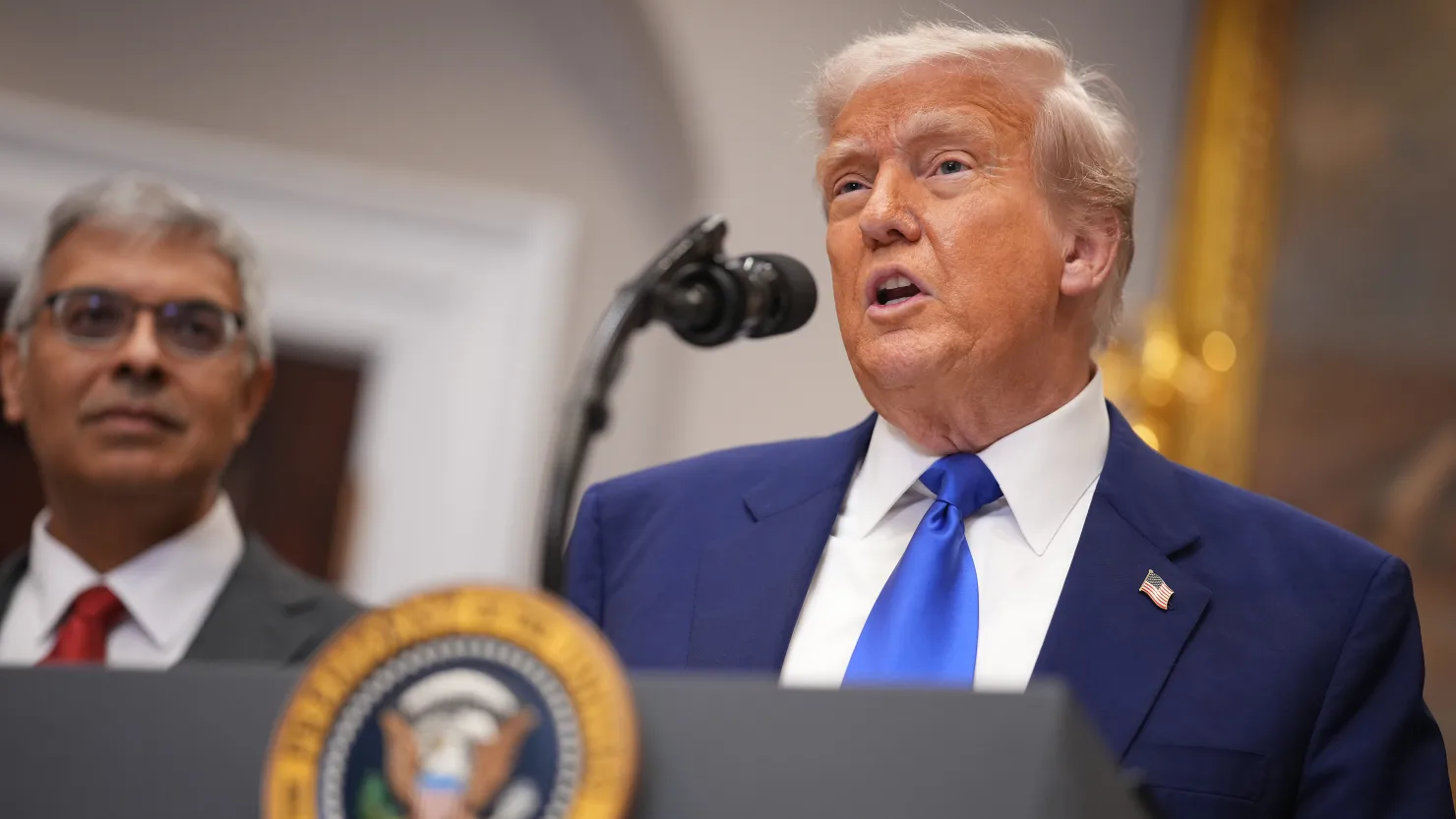

President Donald Trump has signed an executive order directing federal agencies to pursue a “most favored nation” approach to prescription drug pricing. The policy seeks to align U.S. drug prices with those in other developed nations, where medications are often much cheaper. Trump argues this move will “equalize” pricing and result in substantial savings for American patients, predicting reductions of up to 90% in some cases. However, experts and analysts remain skeptical about the feasibility and impact of the proposal, citing legal hurdles, political resistance, and vague implementation details.
The order extends beyond Medicare and Medicaid to include the commercial drug market, which represents a broader scope than similar initiatives attempted during Trump’s first term. That earlier effort was blocked in court following a lawsuit by the pharmaceutical industry. The new plan once again faces opposition, including from Republican lawmakers, who declined to incorporate it into upcoming economic legislation.
Health policy experts agree that U.S. drug prices are disproportionately high—two to ten times more than prices in countries with national health systems. Yet they question whether the new policy will significantly lower costs or even come into effect. Critics point out that pharmaceutical companies have little incentive to comply voluntarily, and other countries have no reason to increase their prices to meet U.S. expectations.
The order also directs federal agencies to target “unreasonable and discriminatory” pricing strategies abroad and allows patients to potentially purchase directly from manufacturers at lower prices, though specifics are lacking. The administration plans to focus initially on drugs with the highest costs and disparities, possibly including GLP-1 medications for diabetes and weight loss.
The industry, while supporting efforts to hold foreign nations accountable, warns that tying U.S. prices to international benchmarks could stifle innovation and threaten domestic pharmaceutical investment. Analysts suggest that the order, in its current form, may function more as political messaging than enforceable policy. Still, the administration may pursue a narrower implementation through Medicare drug negotiations, as allowed under the Inflation Reduction Act, where impact could be more limited but realistic.
Ultimately, while the idea of cutting prices resonates with the public and advocacy groups like AARP, experts say the order lacks the enforceable mechanisms needed to drive meaningful change in the short term.
READ MORE: