
Fast-food chains are facing growing competition at the breakfast table, with convenience stores increasingly capturing morning meal customers. In the three months ending in July, fast-food restaurants saw breakfast traffic inch up by just 1%, while visits to convenience stores with strong food offerings surged 9%, according to industry data.
The shift reflects a long-term trend in which convenience stores have steadily gained ground in foodservice, especially in the breakfast category. These “food-forward” stores have been successful in appealing to busy consumers who prioritize speed and accessibility, often offering fresh, made-to-order items and upgraded menus that rival traditional fast-food chains.
For decades, McDonald’s and other quick-service giants have tried to dominate mornings by luring people away from their own kitchens with convenience and unique menu items. Yet, despite their efforts, the vast majority of breakfast — nearly 87% — is still prepared and eaten at home, leaving a large, untapped market. The challenge now comes not just from households but from convenience stores that have invested heavily in prepared food programs.
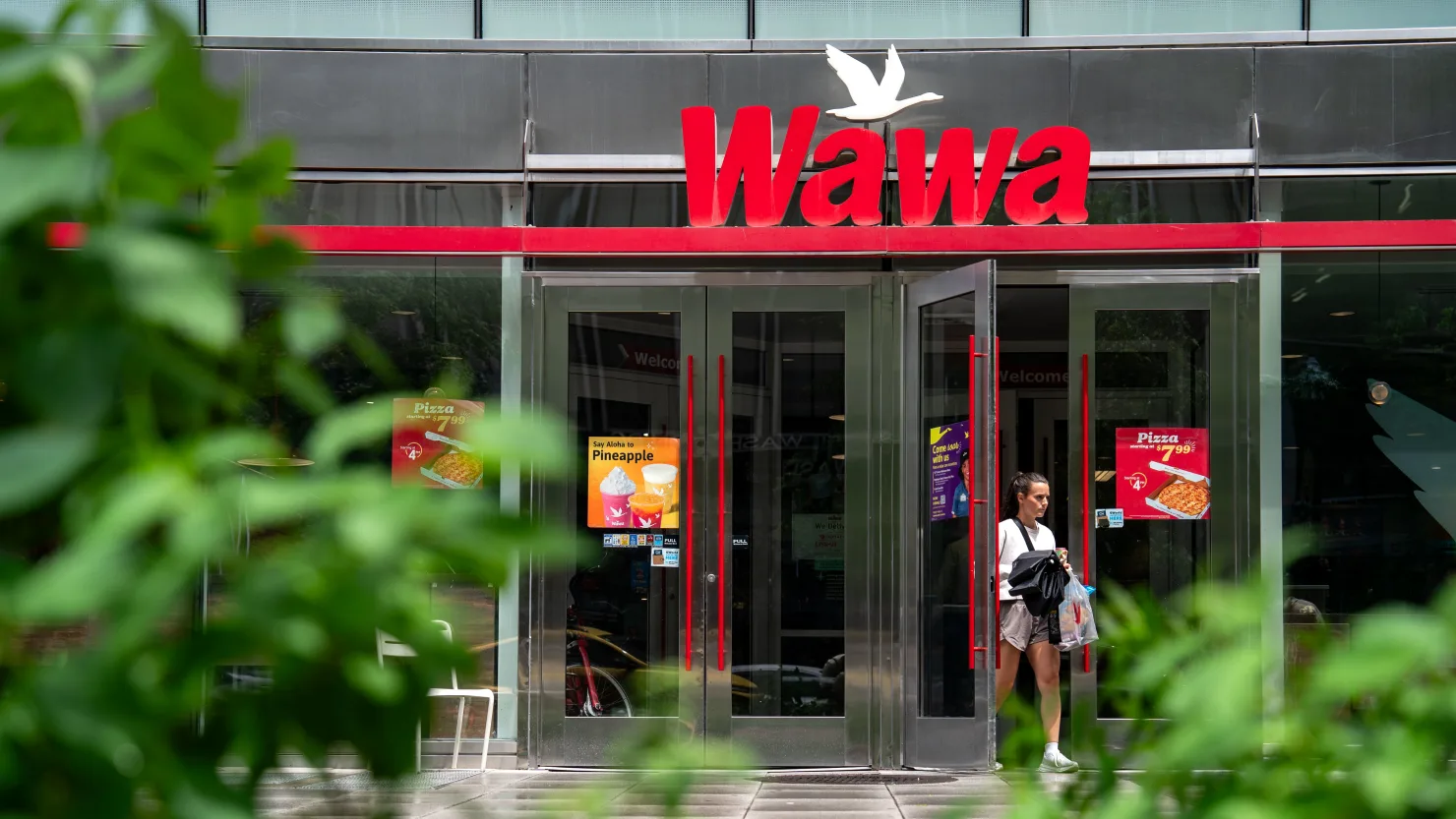
Regional players like Wawa in the Northeast and Casey’s General Store in the Midwest were early movers, expanding their reach and improving their offerings before the pandemic. Lockdowns and hybrid work patterns briefly stalled their progress, but the latest numbers show that convenience stores are once again outpacing fast-food rivals in the breakfast battle.
Chains such as Buc-ee’s and Sheetz are considered leaders in the food-forward category, offering extensive menus that blur the line between c-stores and restaurants. Meanwhile, larger players are catching up. 7-Eleven, the nation’s biggest convenience chain, plans to expand its prepared foods business, drawing inspiration from its highly successful Japanese operations. RaceTrac also made a bold move by acquiring sandwich chain Potbelly for $566 million, signaling an ambition to further expand into restaurant-quality offerings.
The competition highlights a changing landscape in the foodservice industry. As consumers continue to seek speed, value, and variety in the morning, the traditional dominance of fast-food chains is being tested. With convenience stores leaning into fresh food innovation and expanding their footprints, the breakfast market is becoming increasingly fragmented, and winning over time-pressed customers is no longer guaranteed for fast-food giants.
READ MORE: