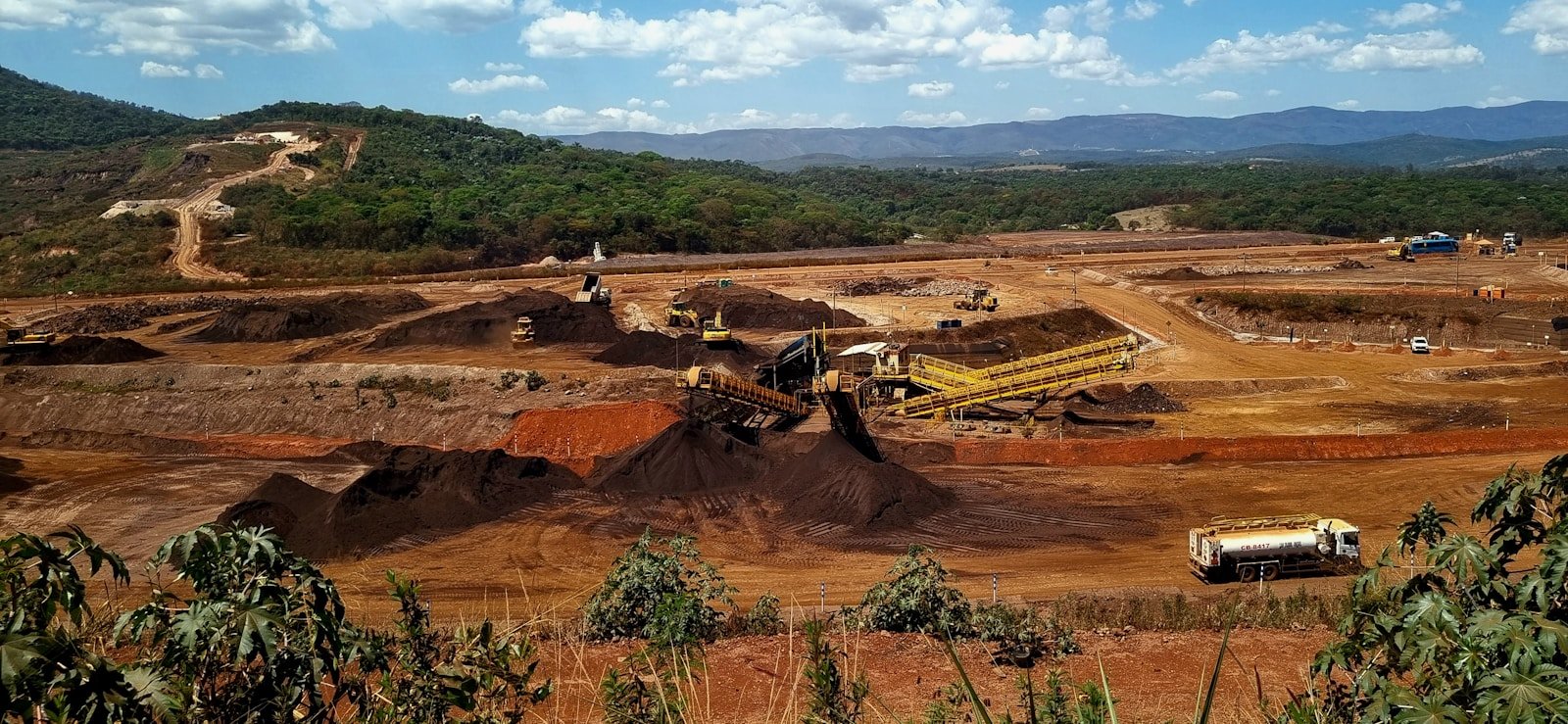

Brazil is becoming a major target in the global race for critical minerals and rare earth elements, as the United States and Europe intensify efforts to secure alternative supply chains for materials essential to modern technology and clean energy.
The diplomatic and commercial push reflects growing urgency in Washington and Brussels to diversify away from concentrated supply routes and strengthen access to minerals that power electric vehicles, batteries, wind turbines, advanced electronics, and defense systems.
Brazil holds strong potential across strategic resources, from battery-related minerals to rare earth elements used in high-performance magnets and industrial components. Western governments and companies see the country as one of the few places with scale, geological depth, and long-term production potential capable of reshaping global supply dynamics.
The competition is also geopolitical. As global demand surges, controlling supply chains is increasingly seen as an economic security issue — not just a commercial one. Securing investment frameworks, processing partnerships, and export reliability is now part of how countries protect their future industries.
For Brazil, the attention could bring new capital and infrastructure projects, but it also raises questions about sovereignty, environmental oversight, and how much domestic value-added the country can secure rather than simply exporting raw materials.