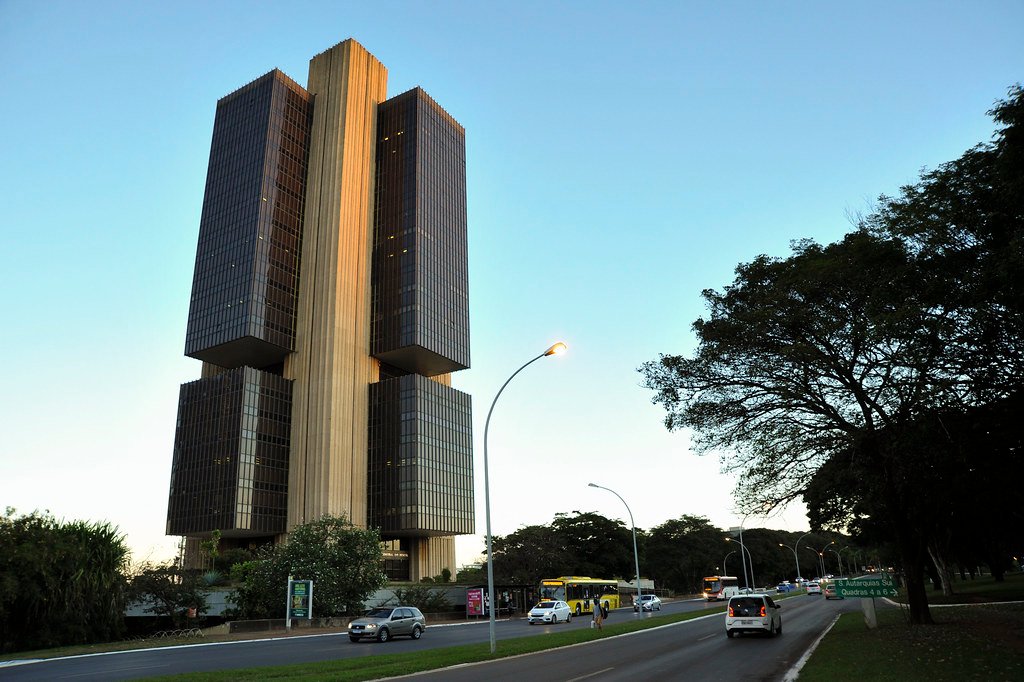

Brazil’s central bank is preparing to pivot toward lower interest rates, but policymakers are signaling they will move cautiously and keep monetary settings tight until inflation expectations are firmly under control.
After holding the benchmark Selic rate at 15% for a fifth consecutive meeting, the bank’s policy committee indicated it may begin easing at its next meeting in March if the expected scenario is confirmed. In an official statement carried by a state-run news service, the central bank said: “The Committee anticipates that, if the expected scenario is confirmed, it will begin easing monetary policy at its next meeting, but reiterates that it will maintain the appropriate restraint to ensure inflation converges to the target.”
Minutes from the latest decision reinforced the message that any easing cycle will be calibrated to incoming data. Policymakers said improving current inflation and market expectations “less distant” from the 3% target provided clearer evidence that monetary policy is transmitting as intended. However, the committee stressed: “At the same time, the committee unanimously reaffirms the need to maintain interest rates at restrictive levels until not only the disinflation process is consolidated but also expectations are anchored to the target,” the minutes said.
The bank also highlighted persistent sources of price pressure, especially linked to the labor market. An industry publication summarizing the decision quoted the committee’s assessment: “The current scenario continues to be marked by de-anchored inflation expectations, high inflation projections, resilience on economic activity and labour market pressures,” it said.
Under Brazil’s continuous inflation targeting framework, the official target is 3%, with a tolerance band of 1.5 percentage points above or below. That sets the current acceptable range between 1.5% and 4.5%, and the target is evaluated on a rolling 12-month basis.
For markets, the key uncertainty is not whether cuts are coming, but how quickly they will proceed once they begin. Some investors are split on whether the first step is likely to be 25 or 50 basis points, and officials have made clear the pace and duration will be determined over time. The central bank’s message is that easing is conditional—and that restrictive policy will remain in place until disinflation progress and expectations are sufficiently secure.