
Oil prices moved higher on Tuesday after a steep decline in the prior session, with markets balancing renewed geopolitical risk in a key shipping corridor against signs that tensions could cool through diplomacy.
Brent crude rose about 1% to roughly $66.97 a barrel, while U.S. WTI gained about 1.2% to around $62.90, following Monday’s slide to the lowest closes since late January. The rebound came as traders refocused on supply uncertainty linked to Russia’s war in Ukraine, while also digesting developments in the Middle East and fresh trade-related headlines.
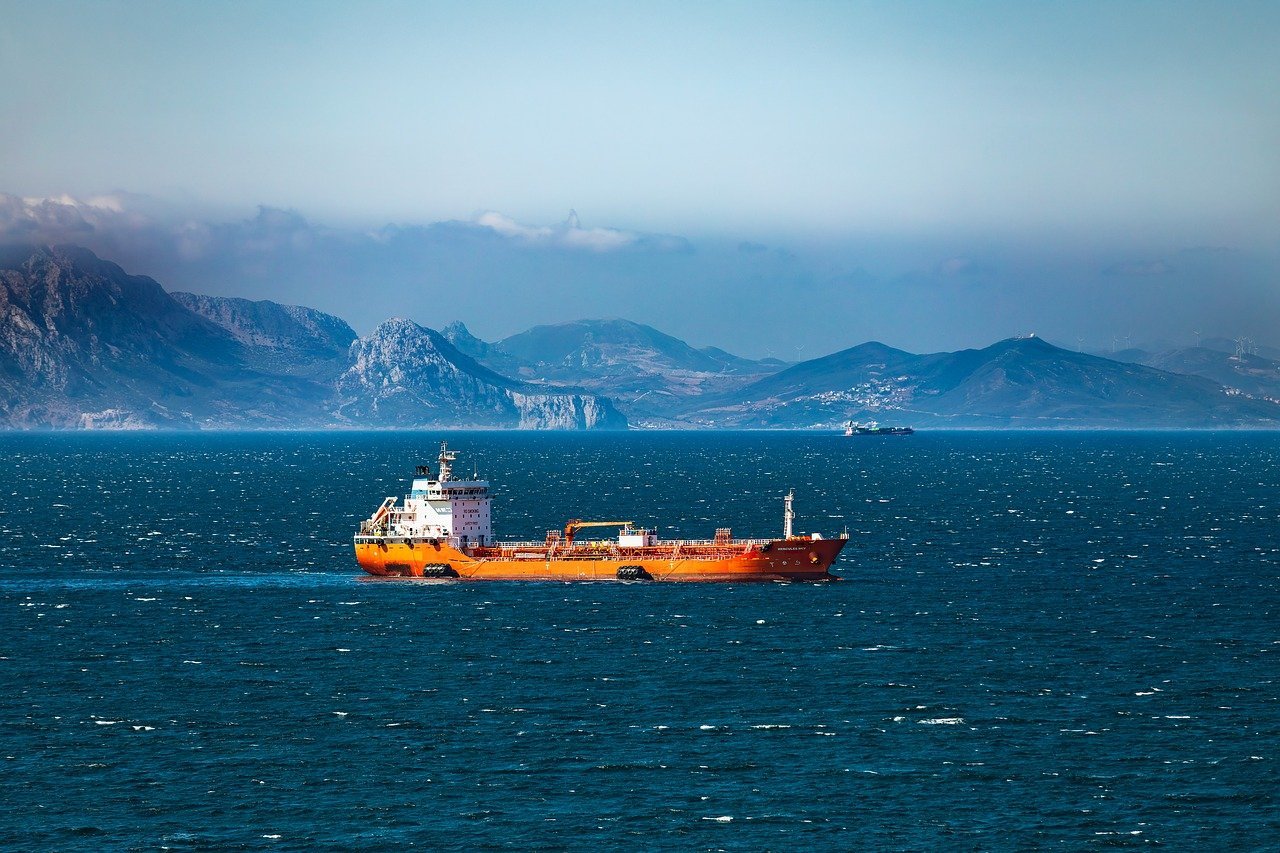
One immediate source of support was a security incident reported near the Strait of Hormuz, a vital energy transit route. The maritime monitoring body UKMTO said it received a report of an attempted interception of a vessel north of Oman. According to the report, the vessel was hailed by several small armed boats, and: “The vessel has ignored the request to stop and has continued on its planned route.”
A separate report described Iranian gunboats approaching a U.S.-flagged tanker, with the vessel continuing on its route while under escort. Iran’s media later described a vessel briefly entering Iranian waters and leaving after warnings, with no incident reported.
Even with the added risk premium, price gains were tempered by expectations that talks could reduce the chance of near-term escalation. Markets are also weighing a shift in tone from U.S. President Donald Trump, who said Iran was “seriously talking” with Washington—language traders interpreted as a potential de-escalation signal after a period of heightened tension.
On the supply side, OPEC+ policy remained another anchor for prices. The group’s eight-country coalition has reaffirmed a pause on planned production increases through March 2026, citing seasonality and uncertainty, while also emphasizing flexibility to adjust output if conditions change. Russia’s deputy prime minister said the market is balanced and expects demand to pick up in March and April, adding to the view that seasonal consumption could provide support.
Taken together, the session underscored a familiar dynamic: even when prices are pressured by a stronger dollar and broader macro concerns, shipping security and geopolitical headlines can quickly reintroduce volatility—especially in chokepoints that matter for global crude flows.