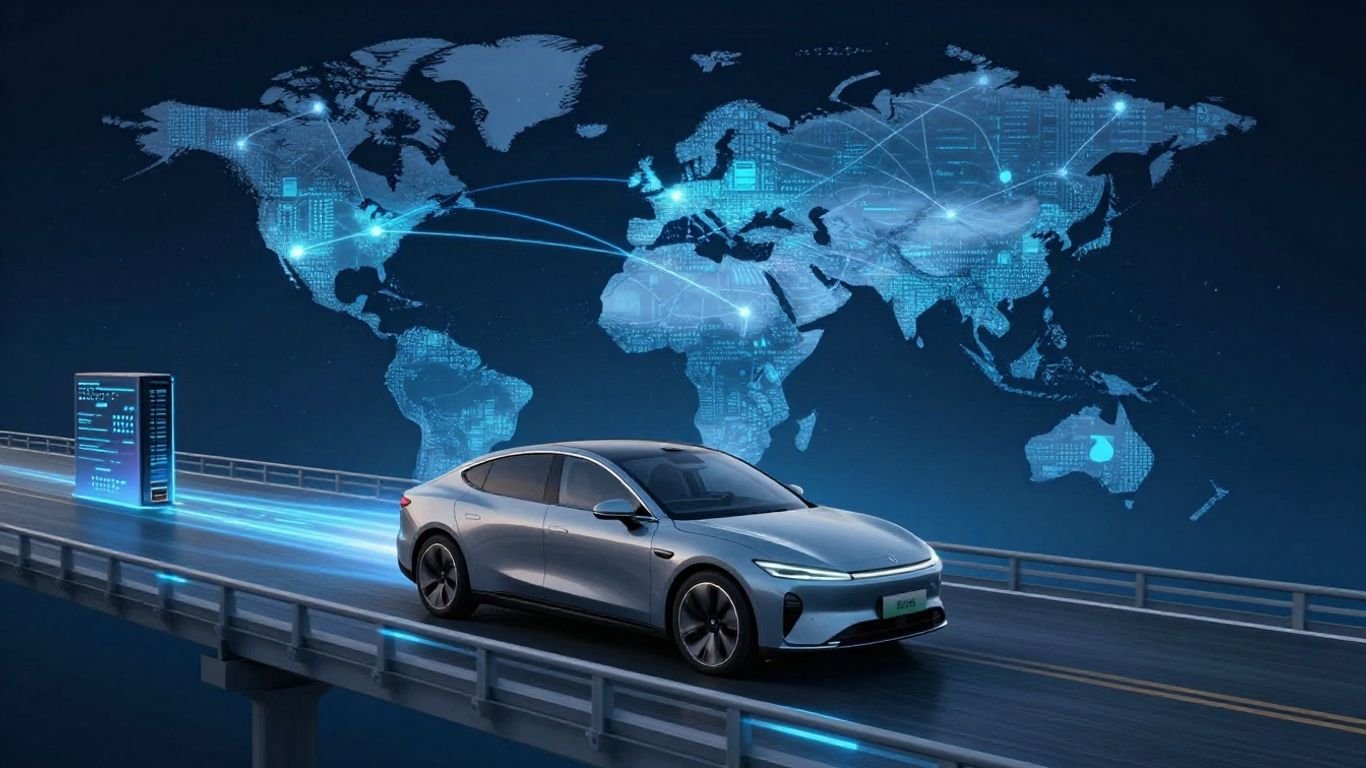

China has introduced comprehensive guidelines governing how automobile-related data can be transferred across its borders. The new rules aim to balance national security priorities with the needs of an increasingly interconnected global auto industry, impacting both domestic players and international brands such as Tesla and BYD.
China’s booming automotive sector, especially in electric vehicles and intelligent tech, generates immense amounts of data daily. As more vehicles integrate self-driving functions, the need for robust data management grows. The new policies, jointly issued by the Ministry of Industry and Information Technology (MIIT) and other government bodies, seek to establish efficient, secure pathways for automotive data exchange with foreign countries.
Key sectors affected include research and development, manufacturing, software updates, connected vehicle operations, and after-sales services. Car manufacturers, parts suppliers, telecom providers, and even repair services are expected to comply with the updated standards.
The guidelines classify outbound data into three main categories:
- Data generated during domestic operations and transmitted abroad.
- Data stored in China but accessed by overseas entities for queries or downloads.
- Cross-border processing of Chinese citizens’ personal data.
Certain thresholds trigger more rigorous security assessments—for example, exporting sensitive personal data about large groups. However, exemptions exist, such as transferring non-critical information for contract fulfillment (like cross-border vehicle purchases or deliveries) or managing employee information for global human resource needs.
The table below outlines key triggers and exemptions:
| Trigger for Security Review | Common Exemptions |
|---|---|
| >1 million individuals’ personal data | Contract-based transfers |
| Sensitive info of >10,000 people | Employee HR data (non-sensitive) |
| All important/critical data | Data used in emergencies |
| Critical systems operator data | Data from free trade zones (certain cases) |
These new rules are likely to ease some concerns for international and domestic carmakers regarding what data can leave China, with clearer compliance paths for data protection. Tesla’s achievement as the first foreign carmaker to meet the new requirements highlights the potential for expanded use of autonomous driving features and deeper integration into the Chinese market.
Meanwhile, China and the European Union have begun working on sector-specific cooperation mechanisms for automotive data, an encouraging sign for European brands like Mercedes-Benz and BMW as they expand in China.
Automotive firms are required to establish dedicated data export departments and internal approval procedures, assign responsible data officers, and adopt advanced data monitoring and protection systems. All export actions must be logged and retained for at least three years, ensuring regulators can inspect cross-border data activities if needed.
While challenges remain—especially around definitions of “important data” and regulatory clarity—the latest initiative reflects China’s intent to position itself as a leader in digital governance and intelligent manufacturing, benefitting both industry growth and consumer trust worldwide.