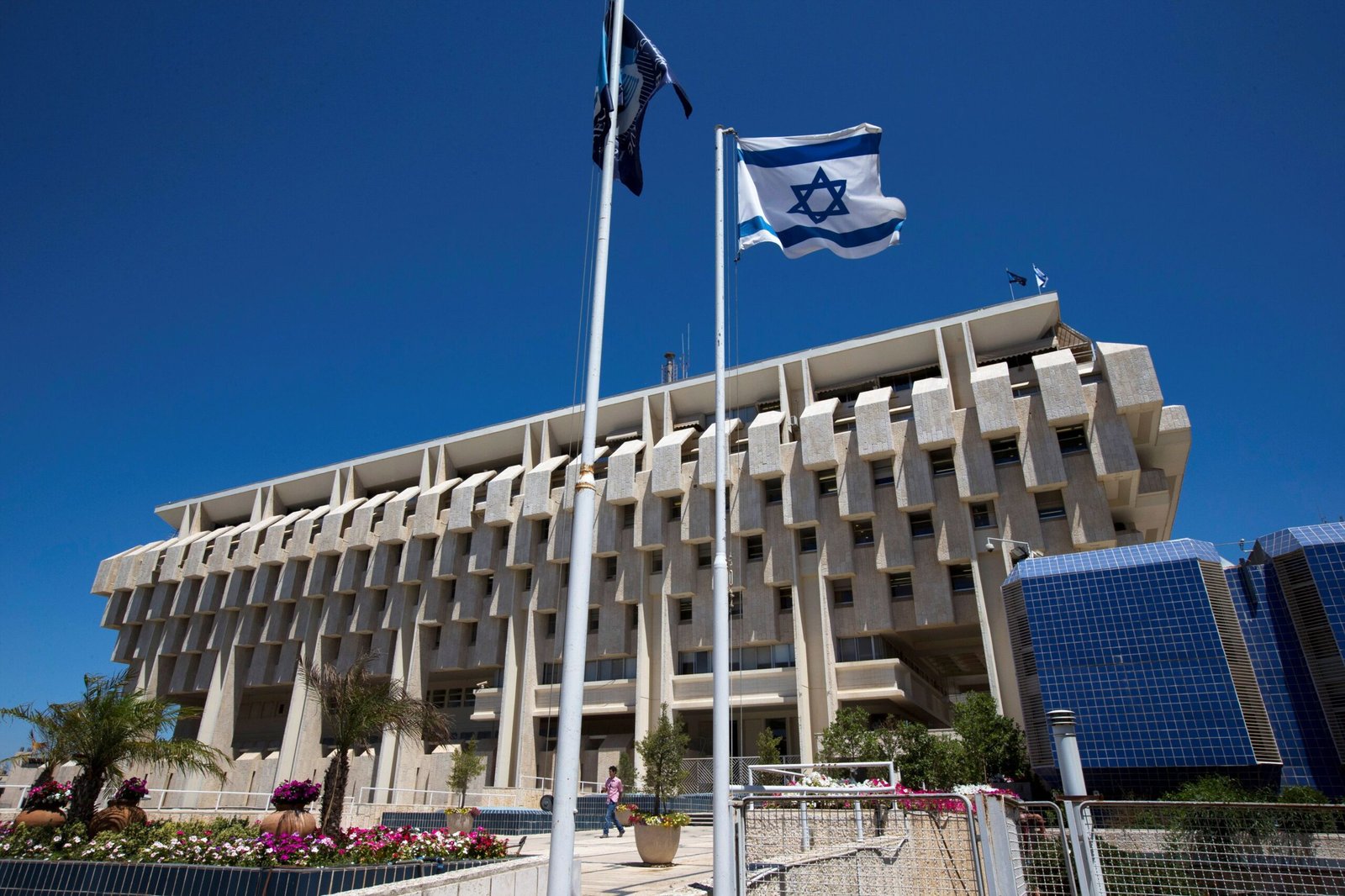

The Bank of Israel has decided to maintain its benchmark interest rate at 4%, opting to hold steady amidst heightened geopolitical uncertainty surrounding potential conflict with Iran. This decision prioritizes stability over further reductions in borrowing costs for households and businesses, despite recent easing of inflation and a strong shekel.
The central bank explicitly stated that “Geopolitical uncertainty has resurfaced in recent days, in view of a potential confrontation with Iran.” This concern overshadowed the positive economic indicators such as easing inflation and a robust shekel. The bank also noted several risks for a renewed increase in inflation, including geopolitical developments, supply constraints, and fiscal matters.
This decision comes at a critical juncture, with diplomatic efforts underway between the US and Iran regarding Tehran’s nuclear ambitions. The ongoing military buildup in the Middle East and Iran’s threats of retaliation add significant weight to the geopolitical risks influencing the Bank of Israel’s monetary policy.
In January, the Bank of Israel had cut borrowing costs by 25 basis points, bringing the rate down to 4% from 4.25%. Prior to that, a cut in November had lowered the rate to 4.25% from 4.5%. The recent decision to hold rates has drawn sharp criticism from Finance Minister Bezalel Smotrich, who labeled it a “wrong decision.” Smotrich argued that macroeconomic data, including a strong shekel and weakening inflation, supported further rate reductions to stimulate growth and ease financial burdens on citizens and businesses.
The Israel Manufacturers’ Association echoed these sentiments, expressing “deep disappointment.” They highlighted the shekel’s significant appreciation against the dollar, which they believe is harming exporters’ competitiveness and damaging the vital industry and high-tech sectors that constitute a substantial portion of Israel’s economic activity. The association warned that maintaining high interest rates exacerbates financing costs for factories and hinders investment.
Economists were divided ahead of the decision, with some anticipating a rate cut due to falling inflation and a strong currency, while others foresaw a pause due to the escalating geopolitical risks. Analysts predict that interest rates may gradually decrease to between 3% and 3.25% by the end of 2026, provided inflation remains contained and geopolitical stability improves.
The Bank of Israel’s focus remains on price and market stability, but the current environment presents a complex balancing act between domestic economic considerations and significant external geopolitical pressures.