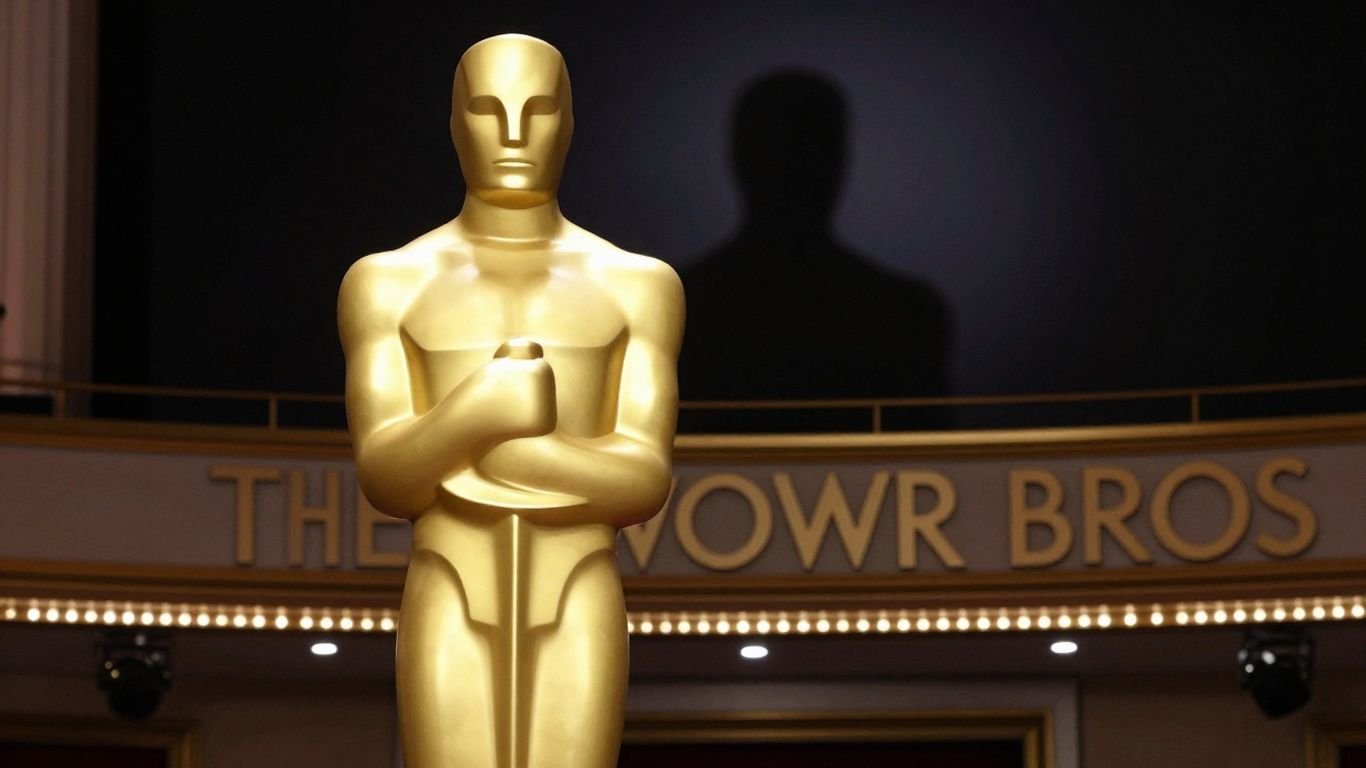

Amid swirling industry speculation about its future, Warner Bros. Discovery made headlines with a historic night at the 98th Academy Awards—matching the record for most Oscars won by a studio in a single evening. The triumph arrives just as high-profile merger negotiations with Paramount intensify, casting a bittersweet note over these sweeping artistic wins.
Warner Bros. Discovery was the toast of Hollywood after capturing 11 Academy Awards—including Best Picture for “One Battle After Another.” In a year defined by stiff competition, the studio also celebrated Ryan Coogler’s “Sinners” with four Oscar wins, and Amy Madigan’s emotionally resonant performance in “Weapons” which earned her Best Supporting Actress.
Industry figures praised studio chiefs Mike De Luca and Pam Abdy for supporting bold, original filmmaking. Paul Thomas Anderson, recognized for both directing and adapting the screenplay for “One Battle After Another,” led a creative charge that was lauded as both daring and deeply impactful. The 11-win achievement ties records previously set by MGM, Paramount, and New Line Cinema.
Studio CEO David Zaslav sent a note to all staff describing the Oscar wins as a “remarkable moment” and emphasizing the collective effort behind these films. However, the company’s celebration comes at a precarious time: Warner Bros. is preparing for a $111 billion acquisition by Paramount/Skydance, making for a surreal juxtaposition of joy and anxiety.
The merger is expected to introduce thousands of layoffs and major restructurings, as Paramount assumes billions in debt and pledges a robust slate of thirty annual theatrical releases. Nonetheless, the creative teams at Warner hope to continue their tradition of championing unique and ambitious projects.
Some of Oscar night’s most talked-about moments included Michael B. Jordan’s Best Actor win for portraying twins in “Sinners,” and Sean Penn joining the elite club of three-time acting Oscar winners. Notably, the winning films achieved their success without following the modern path of festival circuit campaigning—a testament to Warner’s evolving approach to awards season.
Other industry heavyweights like Netflix also made a mark, but Warner Bros.’ showing stood out both for its scope and cultural significance. The night’s record not only spotlighted Warner’s creative vigor but also served as a possible swan song for its era of independence, depending on the outcome of the impending merger.
While the Oscar victories offer a powerful reminder of Warner Bros. Discovery’s profound creative legacy, uncertainty looms large. As the industry awaits the results of the Paramount deal, artists and staff alike are keenly aware that, for all the accolades, the most challenging act may still be unfolding offstage.