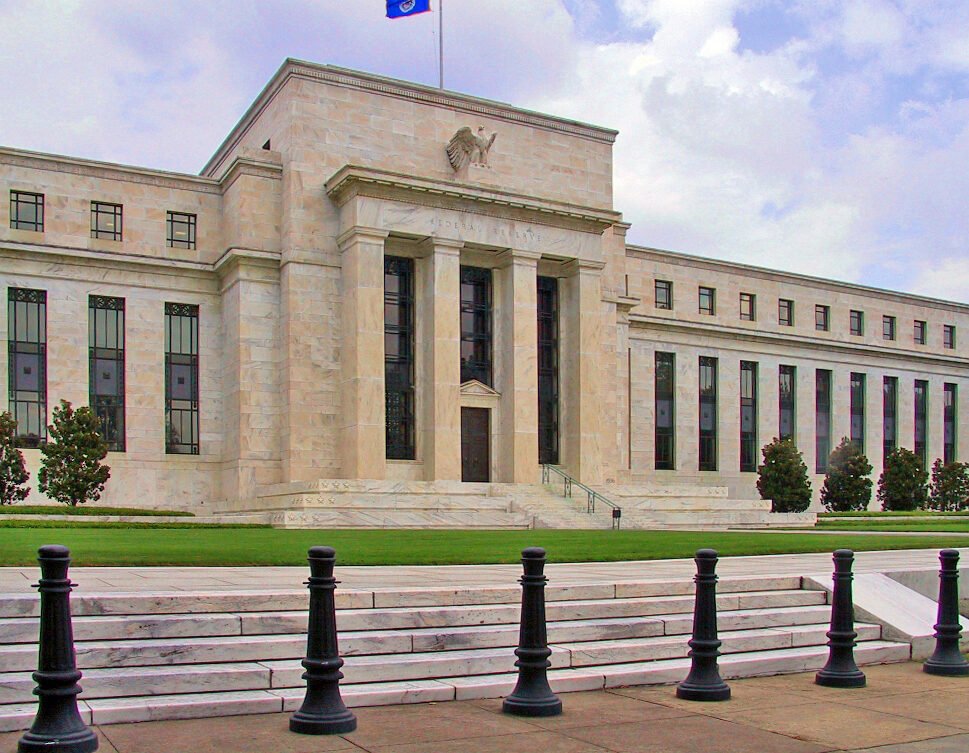

The Federal Reserve has decided to maintain its benchmark interest rate at its current level, citing the “uncertain” economic impact of the ongoing conflict in the Middle East and its subsequent effect on global oil prices. This decision comes as inflation remains a concern, despite some signs of economic resilience.
The Federal Reserve’s decision to hold interest rates steady reflects a cautious approach in the face of significant geopolitical and economic headwinds. The conflict involving Iran has sent shockwaves through global energy markets, leading to a surge in oil prices. This, in turn, raises concerns about further inflationary pressures on the U.S. economy.
Fed Chair Jerome Powell acknowledged the uncertainty surrounding the situation, stating that while higher energy prices are expected to push inflation up in the near term, the full scope and duration of the effects remain unknown. The central bank’s latest projections still indicate a possibility of one rate cut this year, but this outlook is contingent on continued progress in controlling inflation and the overall performance of the economy.
The Fed is navigating a complex economic landscape, balancing the dual mandates of stable prices and maximum employment. While the U.S. economy has shown resilience, with consumer spending remaining robust and real wages increasing, the specter of rising inflation due to the oil shock presents a significant challenge. Economists note that an energy shock creates a difficult tension between combating inflation and supporting a potentially weakening labor market.
Following the Fed’s announcement, U.S. stocks experienced a notable decline, reflecting investor concerns about the uncertain economic outlook. The market is closely watching for further developments in the Middle East and their potential impact on inflation and economic growth. The Fed’s commitment to bringing inflation back to its 2% target remains a primary focus, even as it grapples with external shocks.