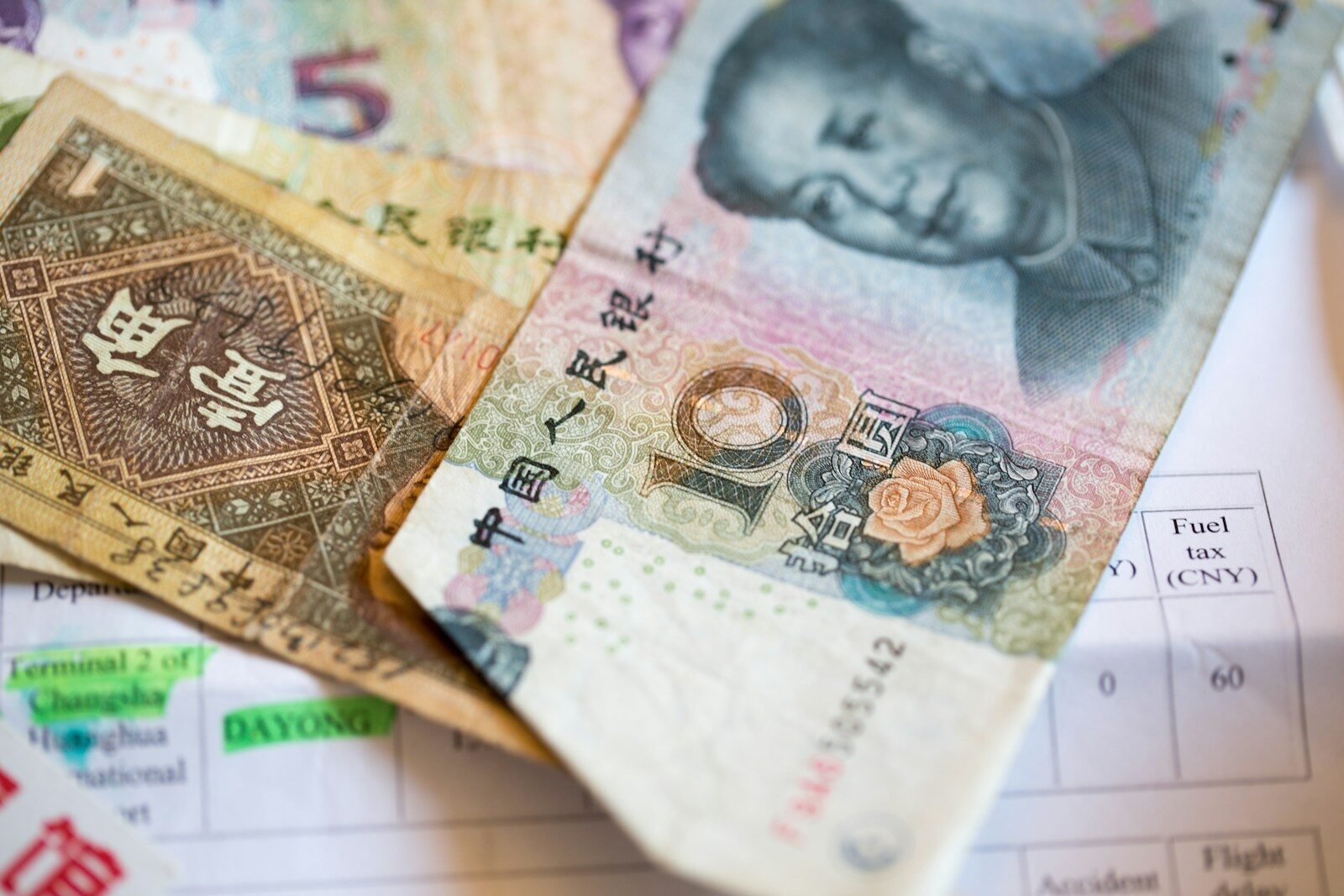

China’s central bank has injected fresh liquidity into the country’s banking system through a combination of medium-term lending and short-term reverse repo operations, continuing its effort to support stable market conditions amid a challenging global economic environment.
The PBOC announced the injection of CNY 500 billion in liquidity through its Medium-Term Lending Facility, a crucial tool designed to supply long-term funds to commercial and policy banks. As CNY 450 billion in MLF matured this month, the operation adds a net CNY 50 billion to the financial system. This has become a consistent trend, with the central bank maintaining net positive injections for over a year.
In tandem with the MLF operation, the PBOC conducted a seven-day reverse repo totaling RMB 78.5 billion at an unchanged rate of 1.4%. Since RMB 20.5 billion worth of reverse repos matured on the same day, the net addition of liquidity via this tool stood at RMB 58 billion.
The PBOC’s dual approach of using both MLF and reverse repos highlights a strategy of measured, targeted liquidity support rather than sweeping interest rate reductions or mandatory reserve ratio cuts. Analysts highlight that these net injections indicate ongoing concerns about credit transmission and domestic demand, as well as caution amid volatile external conditions.
This careful calibration is likely intended to provide sufficient liquidity to the financial system without exerting downward pressure on the yuan or creating excessive risk for financial stability. The continued focus on MLF operations also provides clear guidance for medium-term lending rates, underpinning market confidence.
The liquidity boost is seen as modestly supportive for both the banking sector and risk assets, including equities and credit markets. For the currency, however, little impact is expected given the targeted nature of the operations and the lack of significant changes to headline interest rates.
The PBOC’s steady hand suggests it is committed to maintaining stable financial conditions while monitoring the effectiveness of previous measures before considering broader actions, such as reserve requirement ratio cuts. This approach supports a stable funding environment for banks and aligns with broader efforts to facilitate economic recovery and market stability.
As China approaches key festivals and the uptick in seasonal cash demand, the PBOC’s willingness to maintain ample liquidity should help mitigate short-term pressures on the banking sector. With additional government debt issuance planned and ongoing economic uncertainties, market participants are likely to continue watching central bank actions for signals of policy direction and commitment to financial stability.