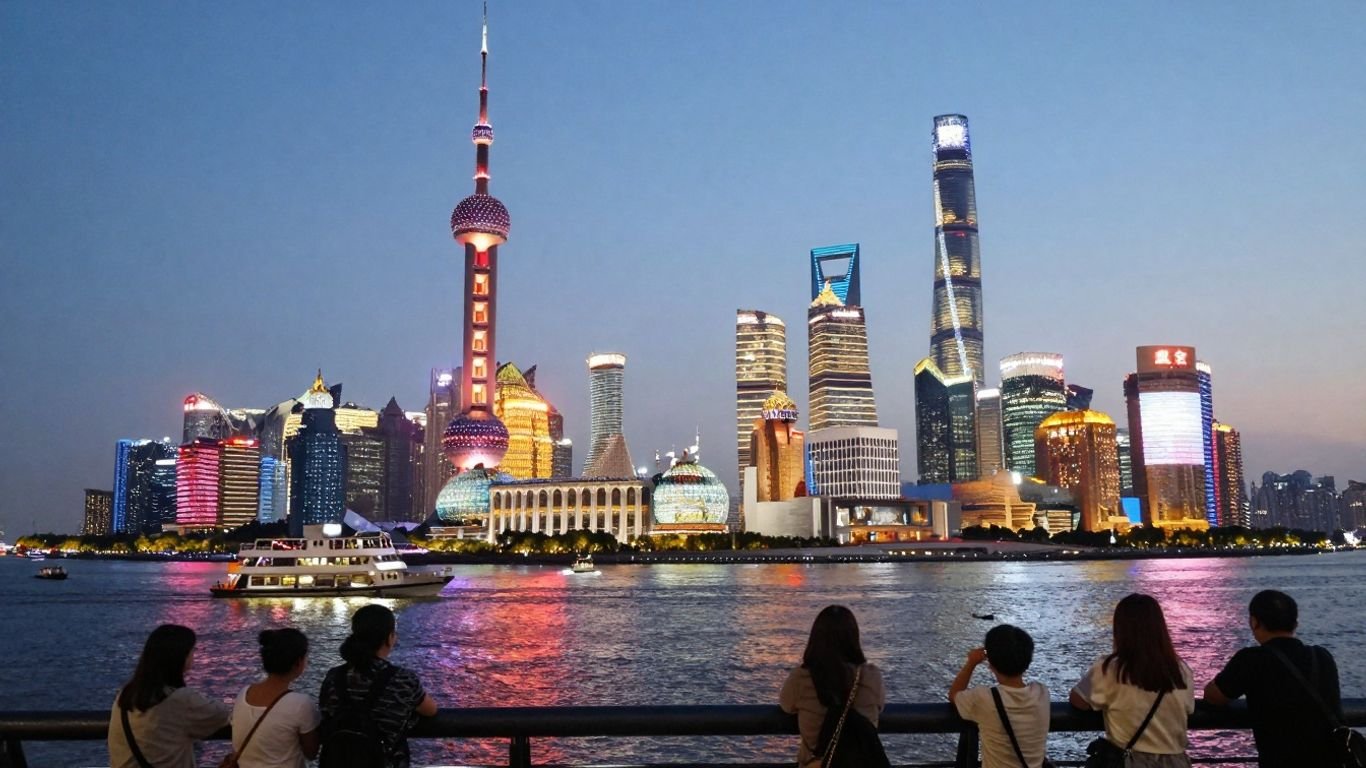

China’s travel and tourism industry is experiencing robust growth, driven by strategic government initiatives and expanding infrastructure. The World Travel & Tourism Council (WTTC) has recognized these efforts, particularly visa-free policies and transit visa programs, which are significantly enhancing the international travel experience and boosting visitor numbers.
Strategic Initiatives Fueling Growth
The Chinese government’s focus on facilitating international travel through visa-free policies and transit visa initiatives is a major catalyst for the sector’s expansion. These measures, along with investments in infrastructure, are creating a more seamless and appealing travel experience for global visitors. The WTTC highlighted these developments at the Global Tourism Economy Forum (GTEF) in Harbin, emphasizing China’s central role in the future of global tourism.
Economic Impact and Projections
In 2025, China’s Travel & Tourism sector contributed $1.9 trillion to the national economy, boasting an annual growth rate of 15.8%, which is double the global average. Inbound visitor spending is projected to reach $144.1 billion, while domestic spending is expected to total nearly $968 billion. The sector is also a significant job creator, supporting an estimated 83.4 million jobs in 2025.
Looking ahead, the WTTC forecasts an annual growth rate of 7% for the next decade, with the sector’s GDP contribution reaching $3.8 trillion by 2035. By 2031, China is anticipated to overtake the United States as the world’s largest Travel & Tourism market. Furthermore, the sector is projected to support 103 million jobs by 2035, with one in five new global tourism jobs originating in China.
Visa-Free Policies Boost International Arrivals
China’s implementation of visa-free policies for several countries has led to a notable increase in international tourist arrivals. By the end of 2026, inbound visits from these newly visa-free nations are expected to reach 15 million. These visitors are also projected to spend approximately $1,000 more than the average international traveler, significantly contributing to tourism revenue.
Harbin: A Model for Destination Development
The city of Harbin has emerged as a prime example of successful destination development, particularly in winter tourism. Last winter, the city welcomed 90 million visitors, experiencing nearly 17% growth in tourism spending, which amounted to $19 billion. Harbin’s ability to leverage its natural strengths into world-class visitor experiences serves as a model for other destinations across China.
Future Outlook
With continued strategic initiatives, ongoing infrastructure development, and a focus on enhancing the visitor experience through smart tourism technologies, China is solidifying its position as a global tourism powerhouse. The country’s rich cultural heritage, diverse landscapes, and modern urban centers offer a wide array of experiences that appeal to travelers worldwide, ensuring its continued leadership in the global travel landscape.