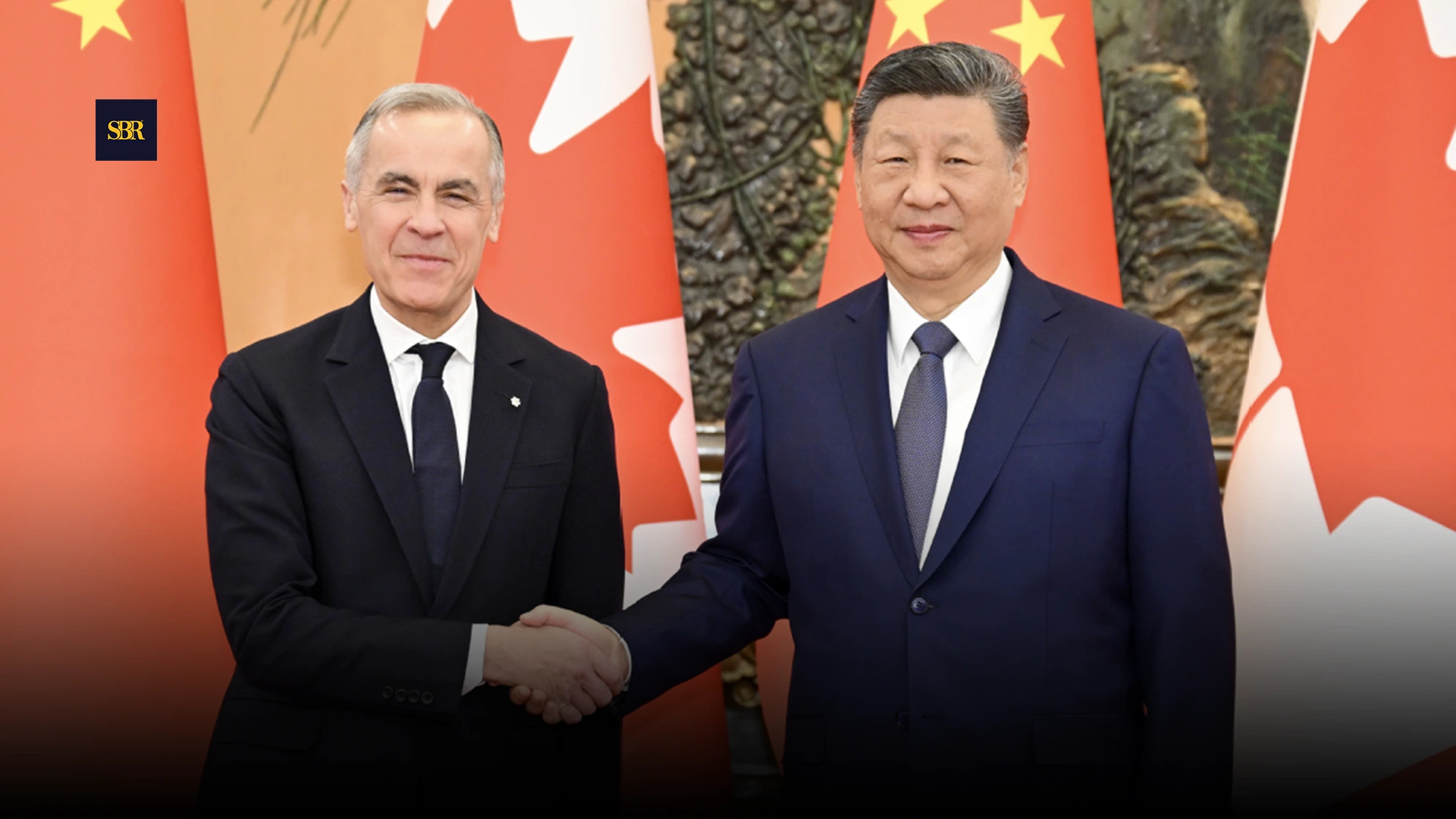

Canada and China have announced a significant recalibration of their trade relationship, marked by a mutual reduction in tariffs. This move sees Canada easing its tariffs on Chinese electric vehicles (EVs) while China lowers duties on Canadian agricultural products, notably canola. The agreement signals a strategic shift for Canada, aiming to diversify its economic partnerships amidst global trade uncertainties.
A New Strategic Partnership
Canadian Prime Minister Mark Carney described the agreement, reached during his visit to Beijing, as a “preliminary but landmark” deal that heralds a “new strategic partnership.” This marks the first time in nearly a decade a Canadian prime minister has visited Beijing. Carney emphasized a pragmatic approach, stating Canada “take[s] the world as it is, not as we wish it to be,” acknowledging the evolving global geopolitical landscape.
The agreement involves Canada easing its 100% tariff on Chinese EVs, introducing a quota for the first 49,000 imported vehicles annually, with potential increases in the future. In return, China has committed to lowering tariffs on Canadian canola seeds to approximately 15% and removing tariffs on canola meal, lobsters, crabs, and peas until at least the end of the year. Beijing has also indicated a preliminary joint agreement on addressing bilateral economic and trade issues.
Mixed Reactions and Geopolitical Implications
The deal has drawn varied responses. Supporters, like Saskatchewan Premier Scott Moe, have welcomed the relief for farmers impacted by previous Chinese retaliatory tariffs on canola. However, critics, including Ontario Premier Doug Ford, have voiced concerns that lowering EV tariffs could disadvantage Canadian workers and the domestic auto sector, potentially opening the door for a “flood of cheap made-in-China electric vehicles.”
U.S. Senator Brian Schatz criticized the deal, stating that the U.S. was “absolutely rolled” and that the move represented a “stark foreign policy failure with domestic economic consequences.” Conversely, former U.S. President Donald Trump acknowledged the deal, suggesting that “If you can get a deal with China, you should do that.” This highlights the complex and shifting dynamics of international trade relations, particularly concerning the U.S., Canada, and China.
Experts suggest that Canada’s move is partly a response to the ongoing uncertainty in its trade relationship with the United States. With approximately 70% of Canada’s exports going to the U.S., diversifying trade partners is seen as a strategic imperative. The deal is also framed by some as Canada positioning itself for a “new world order,” a sentiment that resonates with Beijing’s view of a shifting global power dynamic.
Future Outlook
While the agreement aims to create “massive opportunities for both our peoples,” challenges remain. Concerns persist about China’s potential use of trade as political leverage and the long-term implications for Canadian industries. The success of this “new strategic partnership” will depend on how effectively both nations navigate these complexities and fulfill their commitments in the evolving global economic environment.