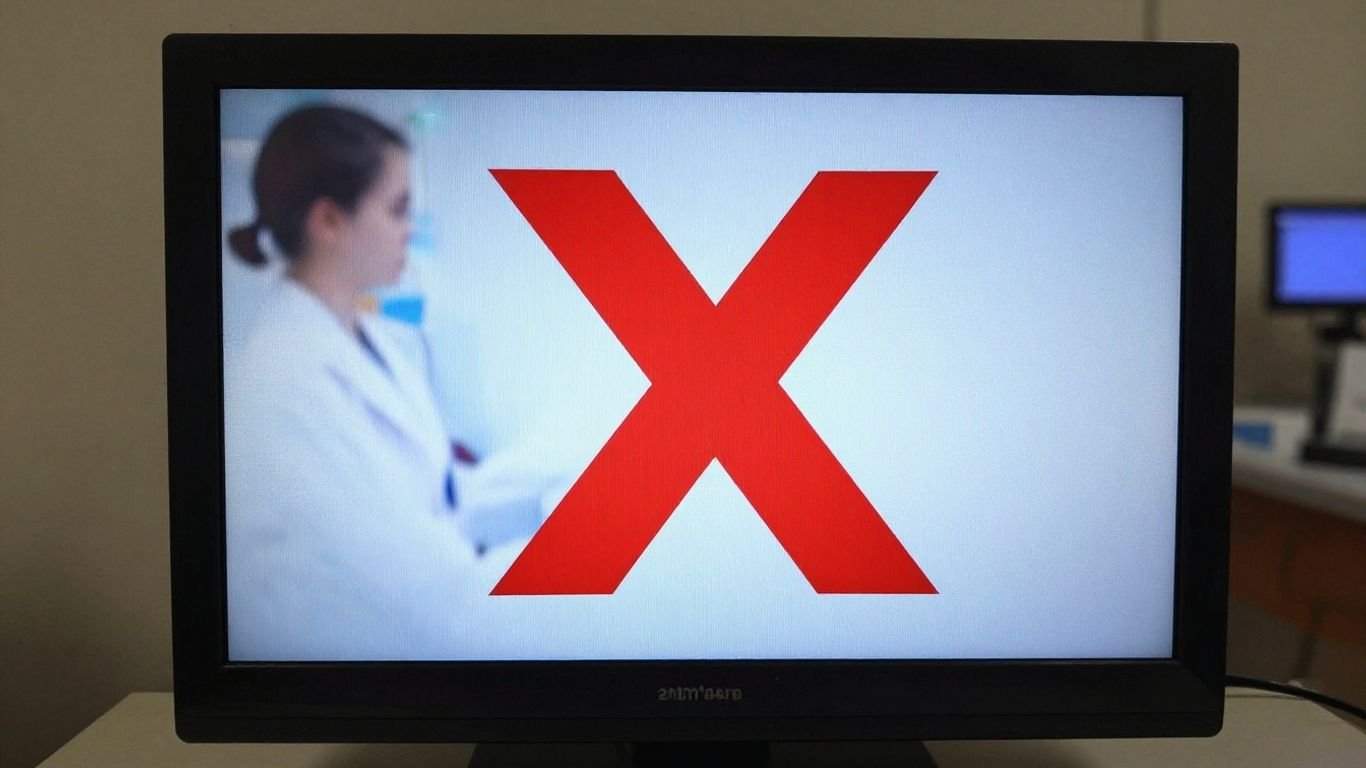

In a decisive regulatory sweep, China has eliminated all medical advertisements containing false or misleading claims from its national TV channels, a move shaped by growing concerns about public misinformation and health safety. The nationwide campaign highlights Beijing’s determination to protect consumers and restore trust in medical information broadcasted to millions.
False medical advertisements have been a chronic issue in China, with exaggerated or unsubstantiated claims often misleading viewers. Authorities were prompted to act after numerous public complaints and growing evidence of the negative impact such ads had on public perception and healthcare decisions. The campaign specifically targeted claims that lacked scientific backing or overstated the effectiveness of products and treatments.
The drive began in August last year when the National Radio and Television Administration (NRTA) launched a sweeping review of medical advertising content broadcast nationwide. The effort focused on identifying and eliminating ads employing misleading promises or pseudoscientific language. By late March, the NRTA announced the complete removal of these advertisements from all national TV channels.
This crackdown is aligned with China’s broader public health strategy, aiming to provide accurate information and safeguard the interests of viewers. Misleading advertisements can prompt vulnerable viewers to rely on ineffective or even harmful treatments. Eliminating these deceptive ads is expected to reduce consumer harm and elevate the standards of televised advertising, especially relating to health and wellness.
The NRTA has stated it will continue to monitor medical advertising proactively. Future steps may include stronger penalties for violations and encouraging more rigorous fact-checking by advertisers. This ongoing vigilance underscores the regulator’s commitment to ensuring that only medically sound and truthfully presented information reaches the public via national media.
For broadcasters and advertising agencies, these new standards necessitate heightened scrutiny and verification of all medical claims before airing. This change is anticipated to have a long-term positive effect on the integrity of advertising in China and could inspire other countries facing similar challenges to strengthen their own regulations.
China’s robust action against misleading medical ads marks a significant step in media governance, promising safer, more reliable information for viewers and a healthier advertising environment overall.