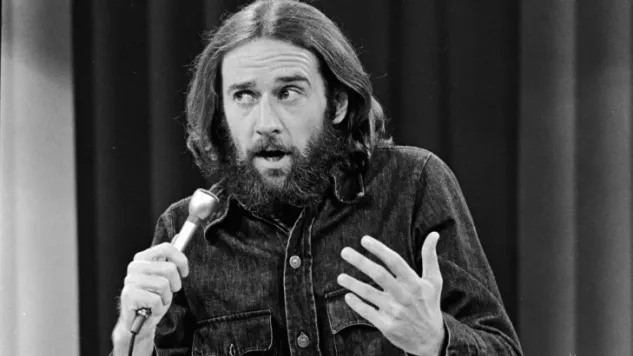

Stand-up comedy, as we know it today, has its roots in various traditions of popular entertainment in the United States and the United Kingdom. It is a genre of comedy where the comedian performs in front of a live audience, usually delivering a series of humorous stories, anecdotes, jokes, and one-liners.
In the late 19th and early 20th centuries, vaudeville was the most popular form of entertainment in the United States. Vaudeville shows were a mix of different acts such as musicians, dancers, magicians, and comedians. Comedians in vaudeville often performed monologues, but their acts were more physical and slapstick rather than the verbal and observational style of modern stand-up. Similarly, in the United Kingdom, music halls were a popular form of entertainment, and comedians were a common feature of the line-up.
The transition from vaudeville and music hall acts to what we now recognize as stand-up comedy began in the mid-20th century. In the 1950s and 1960s, comedy clubs started to emerge in big cities in the United States. These clubs provided a platform for comedians to perform their acts in front of a live audience, and this format allowed for a more personal and direct style of comedy. Comedians like Lenny Bruce, George Carlin, and Richard Pryor revolutionized the genre by tackling controversial and taboo subjects, and by doing so, they paved the way for the more candid and observational style of comedy that is prevalent today.
The 1970s and 1980s saw the rise of comedy clubs in the United States and the United Kingdom. Comedians like Robin Williams, Eddie Murphy, and Billy Connolly became household names, and stand-up comedy became a mainstream form of entertainment. Television played a significant role in the popularization of stand-up comedy, with shows like “The Tonight Show” and “Saturday Night Live” providing a platform for comedians to reach a wider audience.
In recent years, stand-up comedy has become a global phenomenon, with comedians performing to audiences all around the world, and comedy festivals attracting fans from every corner of the globe. The internet and streaming services have also made it easier for comedians to reach a global audience and have provided a platform for new talents to emerge.
In conclusion, stand-up comedy has evolved from the vaudeville and music hall traditions of the late 19th and early 20th centuries to become a mainstream form of entertainment that is enjoyed by audiences all around the world.
READ MORE: