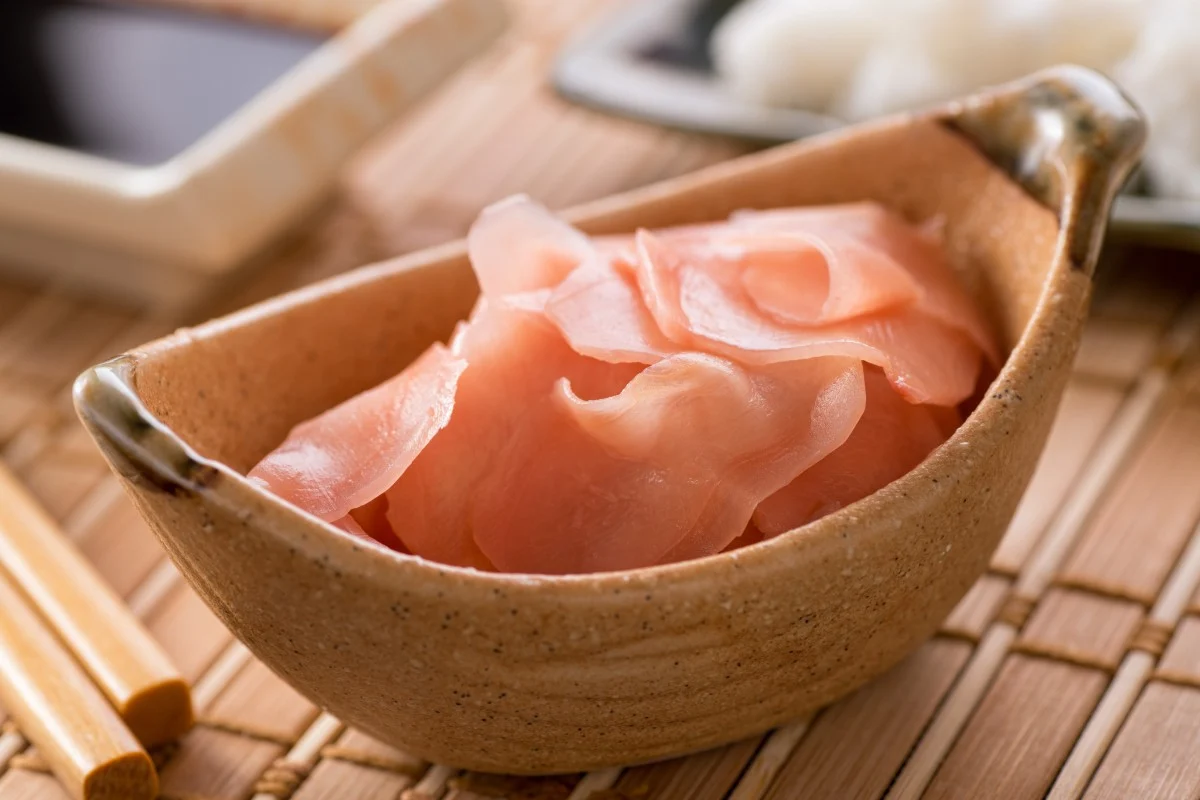

Pickled ginger, a staple in Japanese cuisine and a familiar sight alongside sushi, offers more than just a burst of flavor. Known as tsukemono in Japanese, which translates to pickled food, pickled ginger comes in various forms, each with its unique preparation method and taste profile.
Types of Pickled Ginger: Gari and Beni Shōga
There are two primary types of pickled ginger – gari and beni shōga. Gari, often referred to as sushi ginger, is made by marinating thinly sliced young ginger dehydrated with salt in a brine of sugar and rice vinegar. This preparation results in a sweeter flavor profile. In contrast, beni shōga is created using red wine or plum vinegar, lending it a distinct pink hue and a tangy, sharp taste due to the absence of sugar.
Nutritional Aspects of Ginger
Ginger, the root from which these pickles are made, is a powerhouse of nutrients. It contains a variety of vitamins, including vitamin C, and B vitamins like thiamine, riboflavin, and niacin. It’s also rich in minerals such as iron, calcium, and phosphorus. However, the amount of these nutrients in a typical serving of ginger is quite small. For instance, a teaspoon of ginger contains only 0.1 mg of vitamin C, as per data from the US Department of Agriculture in 2018.
The real star compound in ginger is gingerol, a bioactive component known for its anti-inflammatory, anti-viral, and antioxidant properties. A 2022 study published in the Food Chemistry Advances journal highlighted gingerol’s effectiveness in inhibiting nausea and vomiting, as well as aiding digestion. Additionally, ginger consumption has been linked to lower cholesterol levels and improved lipid metabolism, which involves the breakdown and storage of fats for energy. These benefits point towards ginger’s potential in minimizing risks associated with cardiovascular diseases and diabetes.
The Impact of Pickling on Ginger’s Nutrients
The process of pickling ginger does have some impact on its nutritional value. Some water-soluble vitamins may leach out into the pickling solution, which is often discarded. However, other nutrients remain largely unaffected. The pickling process, involving a concentrated solution of vinegar and sugar, not only contributes to the unique taste of pickled ginger but also plays a crucial role in its preservation. According to the US-based Produce for Better Health Foundation, while peeled and refrigerated ginger lasts for about 2-3 weeks, tightly sealed pickled ginger can be stored in the fridge for several months.
Considerations for Including Pickled Ginger in Your Diet
While pickled ginger can be a flavorful and low-calorie addition to your diet, it’s important to be mindful of the salt and sugar content used in the pickling process. Opting for versions lower in these additives or consuming fresh ginger root can allow you to enjoy the full range of its benefits without the added salt or sugar.
Pickled Ginger and Blood Sugar Regulation
Interestingly, some studies suggest that vinegar-based pickles like pickled ginger could help regulate blood sugar levels, a potential benefit for individuals with diabetes. However, given that pickled ginger is typically consumed in small quantities, these benefits might be marginal.
In summary, pickled ginger, in its various forms, offers a mix of flavor and potential health benefits. Whether enjoyed as a condiment with sushi or included in other dishes, its unique taste and nutritional properties make it a noteworthy addition to a well-balanced diet. However, as with all foods, moderation and consideration of individual dietary needs are key.
READ MORE: