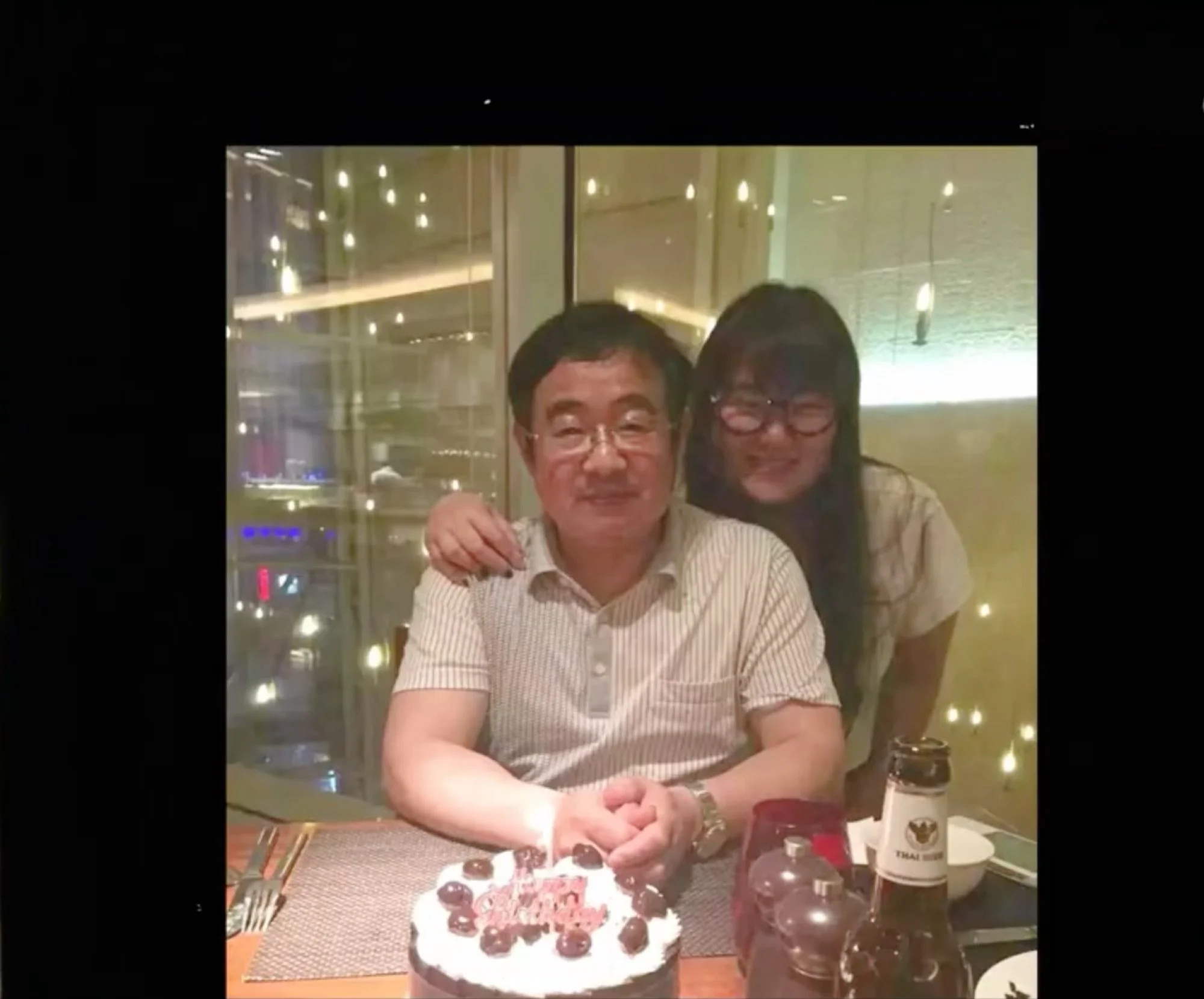

In Shanghai, a woman’s poignant decision to send her terminally ill father to a hospice ward has stirred a widespread debate across China, shedding light on the complexities of end-of-life care and the cultural nuances surrounding death. Erika, a woman in her 30s, faced this heart-wrenching choice when her father was diagnosed with advanced prostatic and intestinal cancer earlier this year.
After exhaustive medical consultations at Fudan University Shanghai Cancer Centre, doctors informed Erika that her father’s cancer had progressed to a stage beyond the reach of surgeries or chemotherapy. Faced with this grim prognosis, Erika resolved to prioritize her father’s comfort in his final days. She chose palliative care in a hospice, seeking to alleviate his suffering and provide a peaceful end-of-life experience.
This decision, however, was met with criticism and lack of support from her relatives. They pressured her to pursue aggressive medical treatments, irrespective of her father’s deteriorating condition and quality of life. Their insistence on prolonging life at all costs led to a family rift, with Erika being labeled as ungrateful and being estranged from her kin.
The story, which garnered over 4 million views on Weibo, sparked a robust online debate about the ethics and emotions surrounding end-of-life decisions. Many netizens supported Erika’s choice, recognizing it as a compassionate and humane approach. They argued that forcing a terminally ill patient to endure painful treatments for the sake of appearances does not equate to genuine love or filial piety. Instead, respecting the patient’s dignity and minimizing their suffering should be paramount.
Conversely, some disagreed with Erika’s decision, reflecting the deep-seated cultural and personal beliefs about death and familial responsibilities in China. In a society where discussing death remains a taboo and filial duty is highly valued, the choice to cease treatment can be seen as controversial and challenging.
The story resonates with a similar incident in Hebei province, where a daughter pleaded with her father to continue cancer treatment, highlighting the emotional and financial burdens families often face in such situations.
Erika’s story and the ensuing debate underscore the need for a broader dialogue in Chinese society about end-of-life care. It emphasizes the importance of respecting individual choices and the complexities involved in making decisions that balance medical realities with emotional and cultural expectations.
READ MORE: