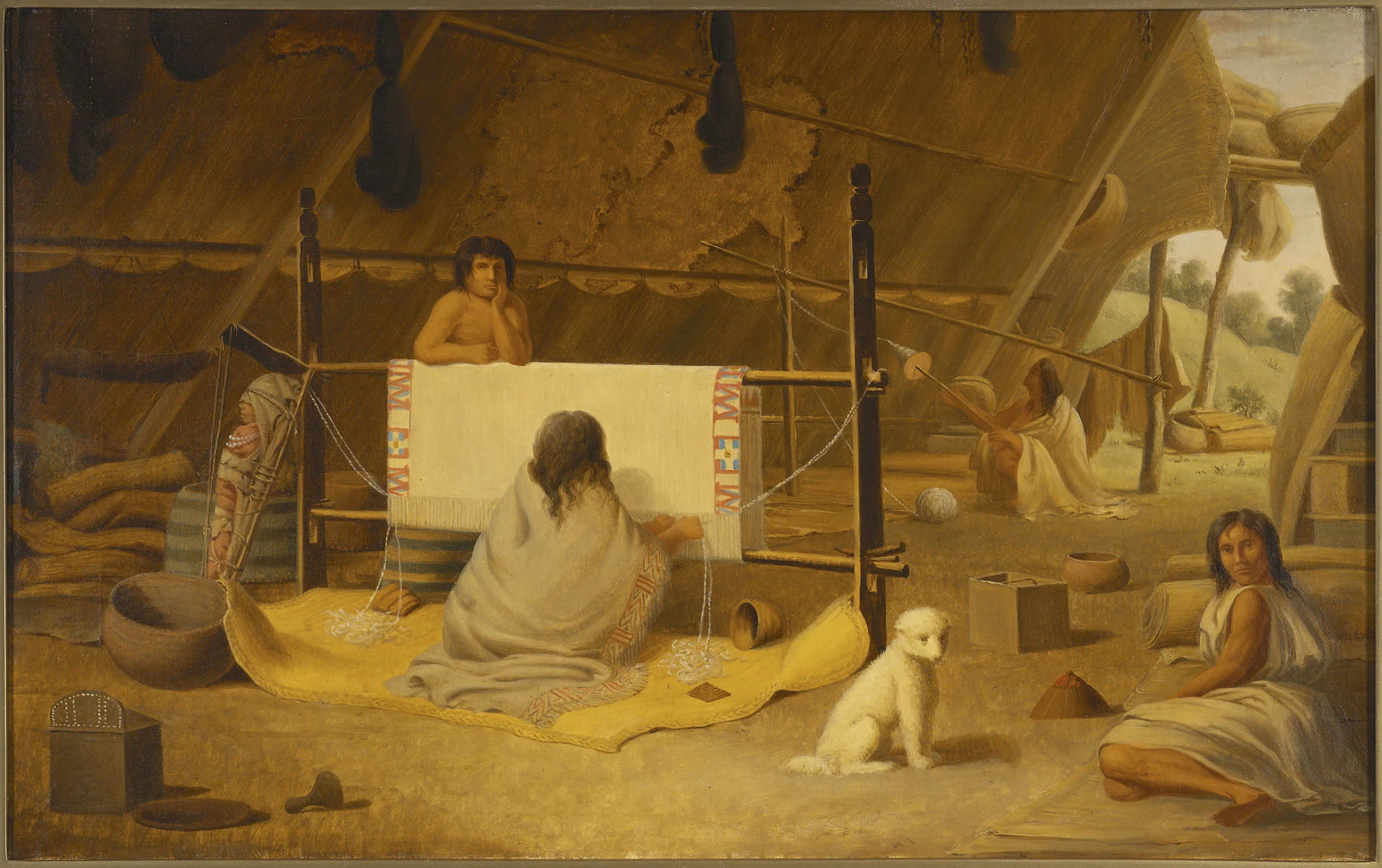

Recent scientific findings published in Science have unveiled the enigmatic history of the Coast Salish woolly dogs, a unique dog breed with exceptionally thick fur, which was once a prized possession of the Native Americans in the Pacific Northwest of the United States. This breed, known for its dense coat that was spun into textiles, thrived under the care of indigenous people until it faced rapid decline post-European colonisation.
The study sheds light on Mutton, one of the last known Coast Salish woolly dogs, whose fur was sent to the Smithsonian Institution in 1859. This specimen remained largely unexplored until the early 2000s. The research incorporated genetic analysis of Mutton’s pelt, revealing crucial insights into the breed’s lineage and its eventual disappearance.
Coast Salish tribal co-authors contributed invaluable oral histories, painting a vivid picture of the high esteem in which these dogs were held. These animals were not merely pets but integral members of the family and featured prominently in spiritual and ceremonial practices. Their wool was harvested and woven into blankets and baskets, signifying their cultural and spiritual importance.
The lead author of the study, molecular biologist Audrey Lin, embarked on this journey out of curiosity about the fate of indigenous American dog breeds following European settlement. The research revealed that these pre-colonial breeds, which arrived in the Americas alongside early human settlers over 15,000 years ago, were almost entirely replaced by European breeds within a few centuries.
Lin’s encounter with Mutton at the Smithsonian spurred a deeper exploration into the genetics of woolly dogs, a breed that vanished around the 20th century’s start. The genetic analysis indicated that woolly dogs diverged from other dog lines up to 5,000 years ago, corresponding with archaeological evidence in the region. Mutton’s genetic profile showed an 85% pre-colonial lineage, affirming indigenous practices of maintaining the breed’s purity until their decline.
Further gene analysis identified specific markers linked to hair growth and regeneration, drawing parallels with woolly mammoths and certain human genetic conditions. Chemical analysis of Mutton’s remains also revealed his diet and lifestyle changes throughout his life.
This study wouldn’t be complete without the contributions of Coast Salish elders, knowledge keepers, and master weavers. Their oral histories, long overlooked by Western academia, provided essential context to the narrative. They refuted the notion that indigenous communities abandoned their woolly dogs in favor of manufactured textiles, instead highlighting the devastating impact of colonization, disease, and cultural suppression on their traditional practices.
The woolly dogs, exclusively cared for by high-ranking women, became targets of colonial Christian missionaries. The introduction of smallpox by Europeans decimated Coast Salish populations, severely disrupting their ability to maintain their cultural practices, including the care of their cherished woolly dogs.
The rediscovery of the Coast Salish woolly dogs not only highlights a lost chapter in canine history but also underscores the resilience of indigenous cultures and their ongoing efforts to preserve and honor their rich heritage.
READ MORE: