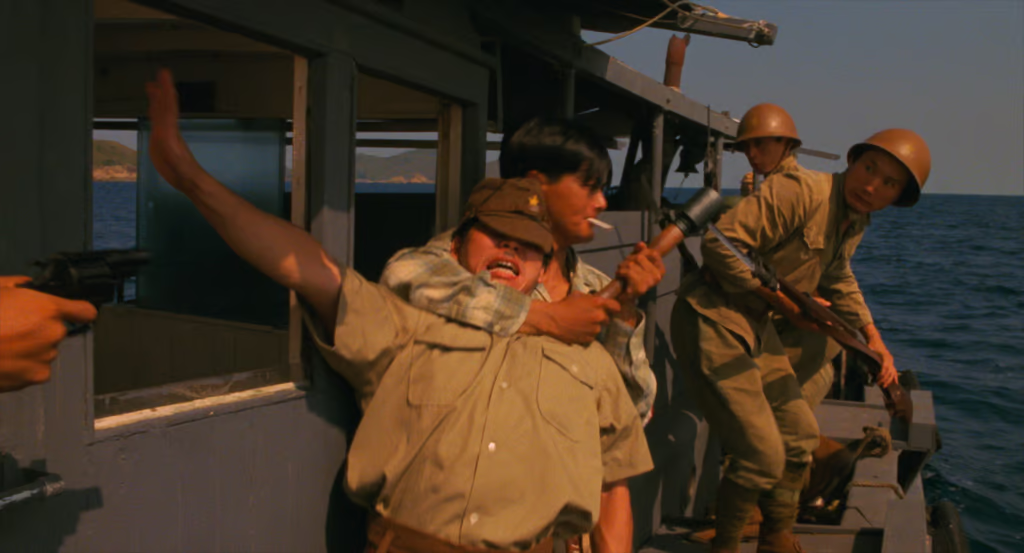

Directed by Leong Po-chih in 1984, Hong Kong 1941 is a haunting portrayal of survival during the Japanese invasion of Hong Kong, told through the lens of three close friends portrayed by Chow Yun-fat, Cecilia Yip, and Alex Man. The film starts with an intimate love triangle but soon shifts to a gripping wartime narrative. Despite the historical backdrop of violence and hardship, the characters remain at the center of the story. Chow’s character, for instance, pretends to collaborate with the Japanese occupiers solely to protect his friends, eventually making the ultimate sacrifice for them.
The film doesn’t shy away from showing the brutality of the occupation. In one unforgettable moment, it includes a real newsreel image of a Chinese baby being impaled by a Japanese soldier—an image etched into the memory of those who knew the horrors of that era. At the time of its release, the Hong Kong public was aware of atrocities committed during the invasion of China but less so of the collaboration within their own city. The depiction of Hongkongers working with Japanese forces, including corrupt police and gangsters profiting from the war, stirred controversy and led audiences to confront uncomfortable truths.
Leong’s British filmmaking background is evident in his subtle, character-focused storytelling. With limited resources, he effectively suggests large-scale destruction through carefully chosen details like shattering glass and off-screen chaos. Rather than high-budget spectacle, the emotional impact comes from personal struggles and moral dilemmas.
The film’s trio of protagonists follows a well-established Hong Kong cinematic tradition of bromance and loyalty. This narrative choice, common in local film history, offers added emotional complexity. Leong, a key figure in the Hong Kong New Wave, crafted a film that is difficult to categorize—art-house in tone, but emotionally resonant and accessible.
Cecilia Yip delivers a layered and sensitive performance early in her career, building on the acclaim she received in Nomad. Alex Man, often known for melodramatic TV roles, gives one of his most restrained performances. Chow Yun-fat, still emerging from his early “box-office poison” label, shows clear signs of rising stardom. With his deepening range and charm on full display, Hong Kong 1941 stands as a pivotal moment in his path to stardom.
READ MORE: