
Across rural Japan, a creative solution to depopulation is turning disused spaces into unique tourist accommodations. Unstaffed railway stations, abandoned homes, and dormant bus facilities are being repurposed into distinctive lodging experiences, drawing travelers while reinvigorating aging communities.
In Shizuoka prefecture, a quiet section of Futamata-Hommachi Station has been converted into a one-room hotel called Inn My Life, founded by Akihito Nakatani. Aiming to promote his fading hometown of Tenryu, Nakatani offers travelers a rare stay in an unstaffed station building, complete with modern comforts and locally sourced meals. His initiative has sparked interest, creating a ripple effect as nearby businesses benefit from the growing foot traffic.
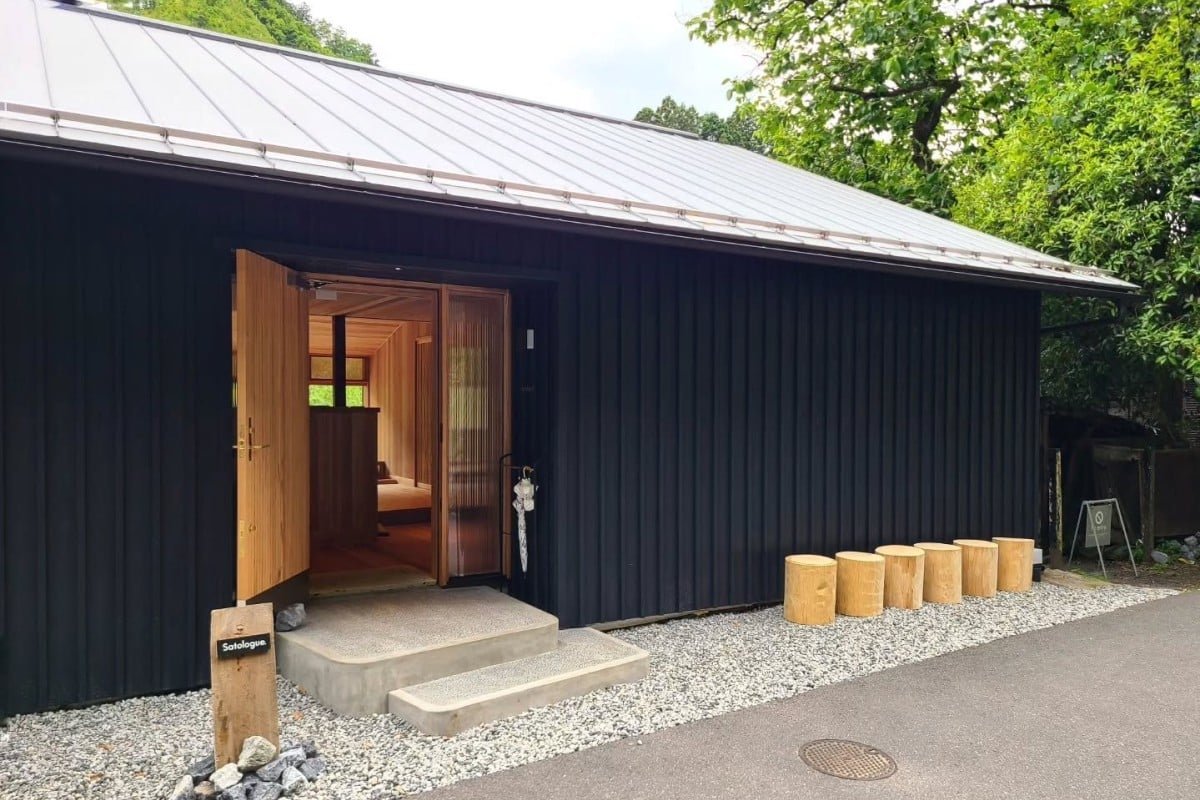
Similarly, in western Tokyo’s mountainous Okutama region, the Marugoto Hotel project has transformed 13 JR Ome Line stations—11 of them unstaffed—into hotel “floors,” with guest rooms located in renovated local homes. Locals welcome visitors and even act as guides, fostering community interaction. The project’s first facility, Satologue, opened in May 2024 as a restaurant and sauna, with overnight stays launching soon. European and North American travelers now make up 20% of its guests, showcasing the area’s increasing global appeal.
The revival isn’t limited to trains. In Shizuoka, a disused bus information center and a decommissioned bus have been reborn as Bustay, a themed lodging for bus enthusiasts. Guests can sleep inside the refurbished bus, play with real onboard switches, and even hear authentic Japanese announcements. The adjacent building has been turned into a second guest space, with meal options provided by a nearby ryokan. While small-scale, the project has helped increase local tourism and strengthened community bonds.
These innovative lodging concepts offer a meaningful experience of rural Japan, not just for their novelty but for the role they play in community revitalization. With plans to expand similar projects across 30 railway lines by 2040, Japan is proving that tradition and tourism can coexist, breathing life back into once-forgotten places.
READ MORE: