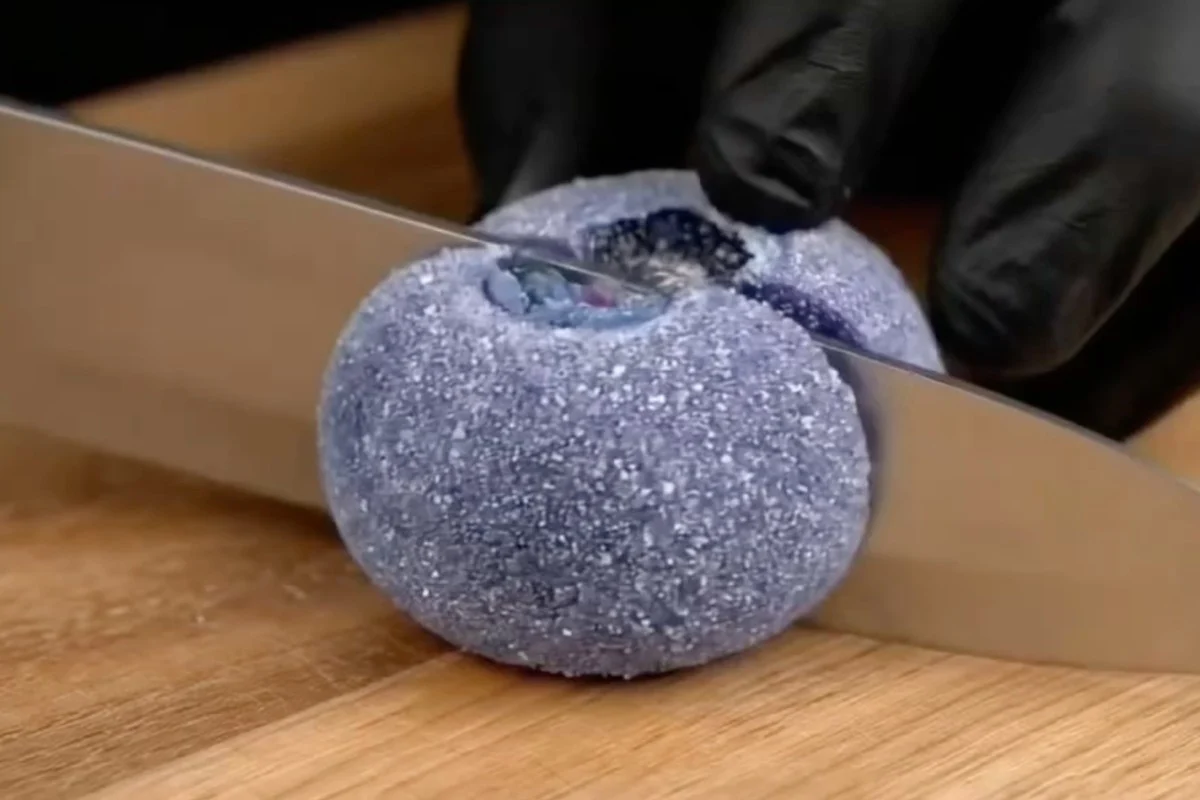

Yin Chenxi, a second-year postgraduate student, was working on her thesis when a video on the Chinese platform RedNote caught her attention. Tagged with terms like “stress relief” and “cutting perfume bottles,” the AI-generated clip featured an impossible scene: a glass perfume bottle sliced in half with liquid oozing out, accompanied by a calming gurgle. Yin found herself watching it repeatedly, captivated by the blend of visuals and sound that triggered a physical reaction known as ASMR—a tingling sensation often described as deeply soothing.
Originally popularized by whispering or crinkling paper, ASMR content has evolved thanks to AI tools like Google’s Veo 3 and China’s QiMeng, allowing creators to generate fantastical, hyperrealistic scenarios. On Instagram, a video titled “Glass Kiwi Slicing ASMR” has garnered over 44 million views. On RedNote, the #aiasmr tag is steadily trending.
Yu Mu from Hunan is among those riding the wave. Inspired by the format’s popularity, he began posting AI-generated slicing videos, many of which have gone viral. He found that simplifying his prompts—like instructing the AI to “slice an apple open” rather than over-explaining—produced more successful and bug-free results.
For Yu, the appeal lies in the surreal possibilities. “You can slice through volcanoes, ocean waves, or otherworldly objects—scenes that could never exist in reality,” he says. His content strikes a curious balance between hyperreal visuals and comforting fiction, resonating with viewers seeking escape and calm.
Science backs up ASMR’s impact. A 2018 study in Plos One found ASMR helped reduce stress, sadness, and even heart rate in sensitive individuals. Yin uses the videos to decompress from academic stress, describing them as a kind of meditative white noise.
Bo Chuxuan from Yunnan, a longtime ASMR enthusiast with OCD, says the clean, precise visuals bring her a rare sense of satisfaction. For her, AI-enhanced ASMR is more than just relaxation—it’s a source of wonder and comfort.
However, not all viewers find these videos soothing in every context. Bo notes that while she enjoys them during the day, their intensity—especially sounds like glass scraping or exaggerated chewing—makes them too stimulating to use as a sleep aid.
Still, for many, AI-generated ASMR offers a blend of sensory indulgence, curiosity, and psychological relief that traditional content cannot match.
READ MORE: