
As China embraces the chill of winter, the country is witnessing a remarkable surge in participation in winter sports and cultural events. The fervor for these activities aligns with the national goal of involving 300 million people in winter sports, a target significantly boosted by the Beijing 2022 Winter Olympic Games.
The 10th national public ice and snow season is set to commence in Beijing in late December, extending until April 2024. This initiative aims to build on the momentum of the 2022 Winter Olympics, further propelling the popularity of winter sports and contributing to the growth of the winter sports industry.
Winter sports have notably invigorated tourism, especially in China’s northeastern provinces. Major travel platforms like Ctrip and Fliggy report a significant increase in searches and bookings related to Northeast China trips and activities since November. This trend reflects a growing interest in winter-themed travel and sports.
Harbin, in Heilongjiang Province, is a prime example of this winter sports boom. The city’s renowned Harbin Ice and Snow World, part of the Harbin International Ice and Snow Sculpture Festival, had to temporarily halt ticket sales on its opening day due to overwhelming demand. The festival, celebrating its 25th edition, is a major attraction, drawing visitors like Wang, a 26-year-old from Fujian Province, who was captivated by the ice sculptures and the overall romantic northern scenery.
The 14th National Winter Games of China, scheduled for February in Hulun Buir, Inner Mongolia Autonomous Region, marks another significant event post-Beijing 2022. This region, rich in ice and snow resources, attracts millions of participants to various winter events annually.
Urumqi in Xinjiang Uygur Autonomous Region has also joined the winter celebration, hosting the 3rd Ice and Snow Culture Tourism Festival until February 2024. The festival includes traditional ice and snow activities, winter camps, a food festival, and a Spring Festival temple fair, aiming to draw both local and international visitors.
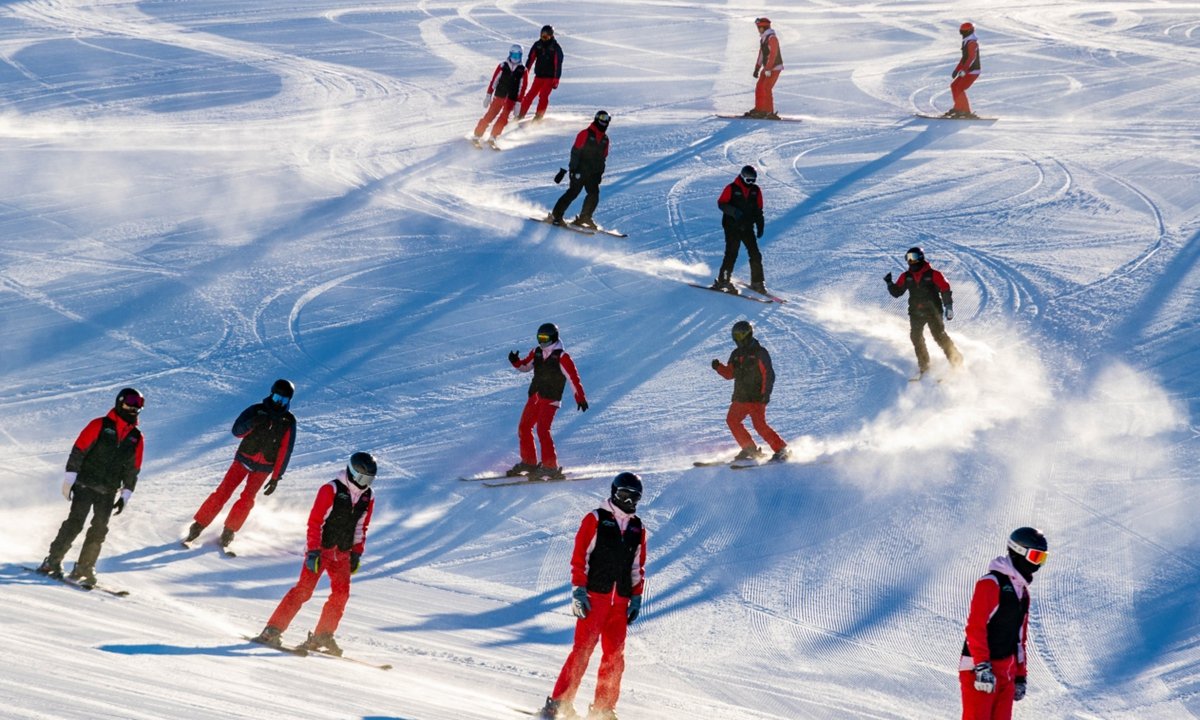
The growing popularity of winter sports is evident in the rise of skiing-related searches and bookings. Zhangjiakou, Hebei Province, a venue for the Beijing Winter Olympics skiing events, has seen a substantial increase in hotel reservations. Thaiwoo Ski Resort in Zhangjiakou reports a return to pre-COVID-19 visitor levels, thanks in part to improved accessibility via high-speed rail.
The legacy of the Beijing Olympics continues to influence China’s winter sports scene, with international events like the ISU World Cup short track speed skating and the Grand Prix of Figure Skating Final being held in Beijing. Furthermore, Shanghai is set to host the 2024 Four Continents Figure Skating Championships.
Li Yang, vice chief of China’s winter sports governing body, highlights the packed schedule of international winter sports events as a testament to the growing enthusiasm for ice and snow sports in the country.
In essence, China’s winter sports season encapsulates not only a celebration of athletic prowess but also a cultural festival that brings together millions in the shared enjoyment of winter’s offerings. This surge in participation and interest in winter sports signifies a notable shift in the recreational and cultural landscape of China.
READ MORE: