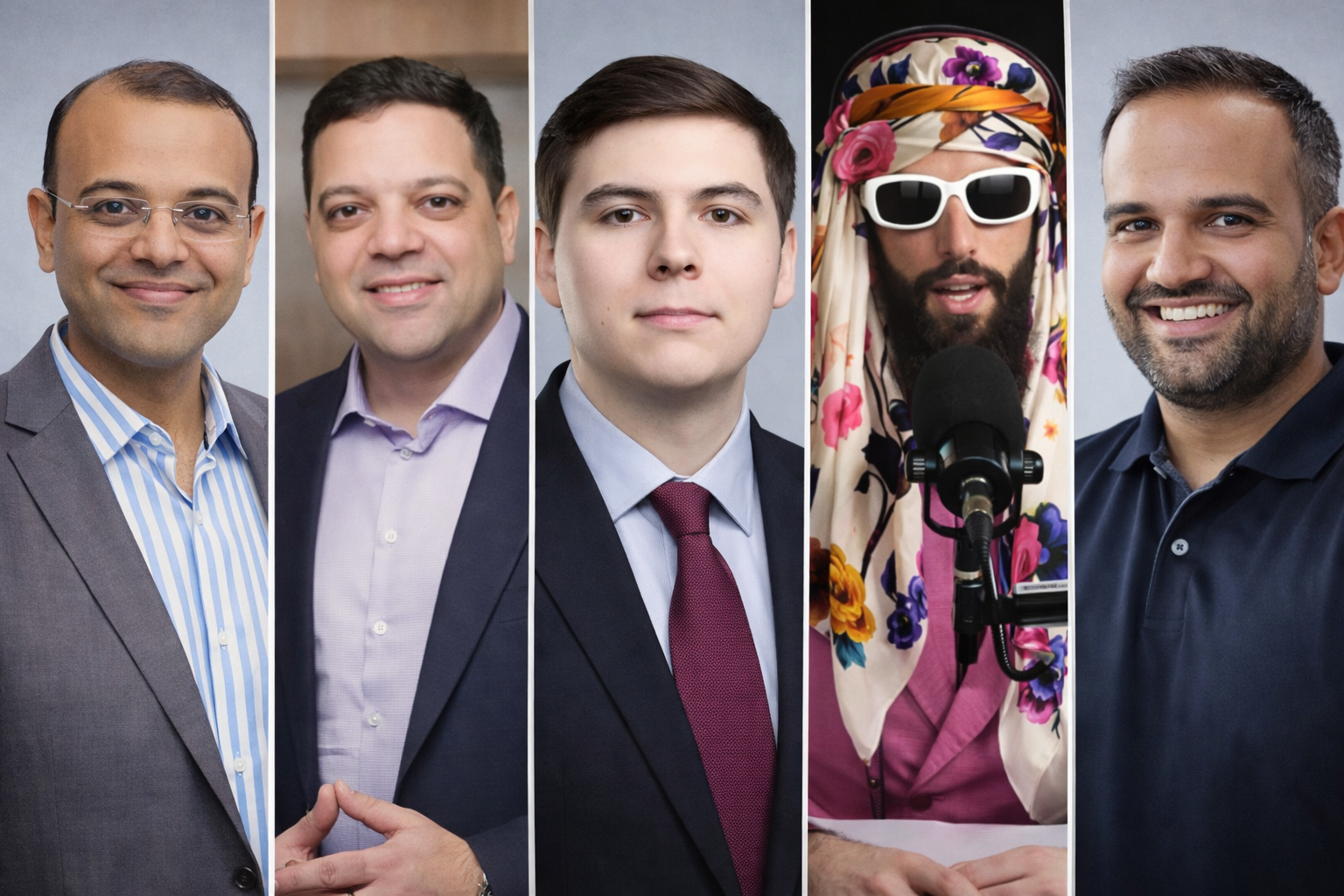

Some of the most important shifts in 2026 won’t be driven by celebrity founders or billionaires. They’ll be shaped by operators, technologists, and builders quietly scaling systems that matter—enterprise AI that actually works in production, climate solutions tied to measurable outcomes, and privacy tools designed for real people.
This list highlights five visionary professionals whose work and thinking are worth following in 2026, based on impact, execution, and the problems they’re choosing to solve.
1- Tarun Raisoni — Co-founder & CEO, Gruve
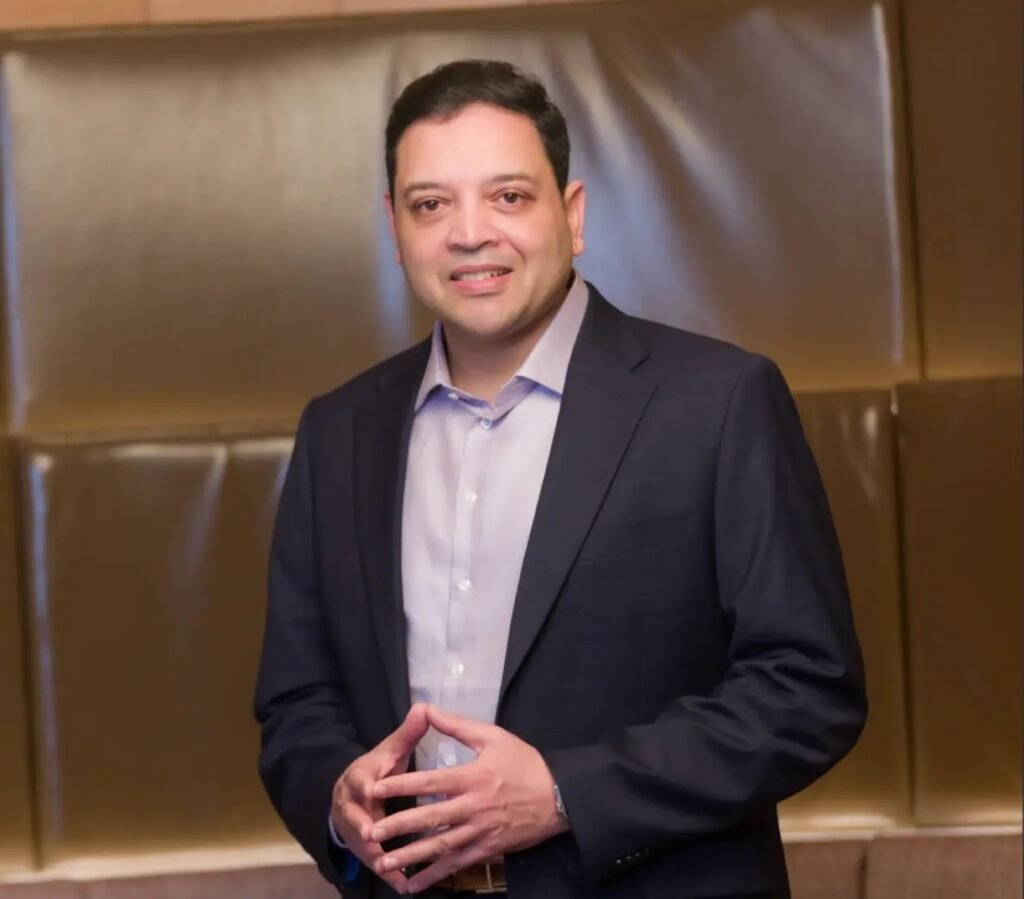
Tarun Raisoni is the CEO and co-founder of Gruve, where he focuses on turning AI from a pilot project into dependable, production-ready infrastructure for enterprises. Gruve positions itself around delivery: building and operating AI, machine learning, and data systems that perform under real-world constraints like cost, latency, and reliability. Raisoni is also known for sharing an operator’s perspective on what breaks in enterprise AI deployments and how to fix it, from data foundations to inference performance. In 2026, he’s worth following for practical signals on how companies standardize AI into everyday operations without the hype.
2- Madhur Jain — Co-founder & CEO, Varaha
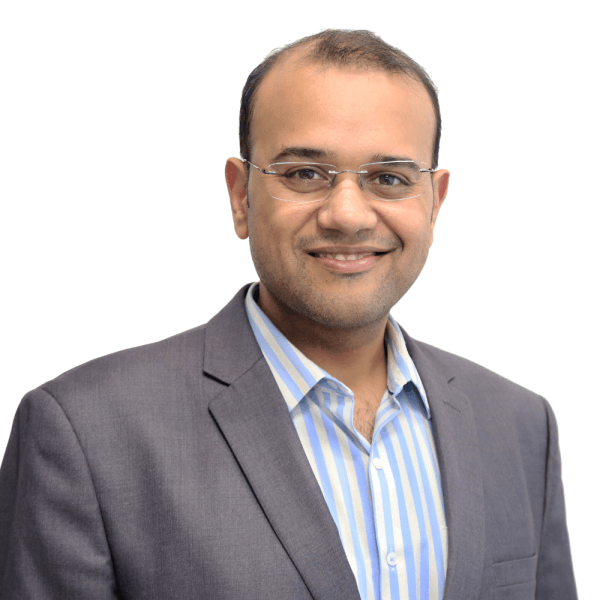
Madhur Jain is the co-founder and CEO of Varaha, a climate company working with farmers to scale regenerative practices and quantify environmental impact. Varaha’s approach sits at the intersection of climate resilience and climate finance: it supports adoption on the ground, then measures outcomes that can be translated into credible carbon projects and broader sustainability value. Jain has been recognized as a climate leader for pushing practical, scalable models that connect smallholder agriculture with global climate goals. In 2026, watch him for where high-integrity climate markets and measurable nature-based solutions are heading.
3- Del Andujar — Founder, TrueData Solutions · InfoSecVPN

Del Andujar is a young cybersecurity and privacy-focused builder behind projects centered on digital safety and individual control online. He is associated with InfoSecVPN and TrueData Solutions, which present tools aimed at privacy-first browsing and helping people discover and opt out of exposed personal information. His public positioning emphasizes education, infrastructure, and advocacy around online anonymity—leaning into the idea that privacy should be accessible, not reserved for experts. In 2026, he’s one to watch for how consumer privacy products evolve amid rising concerns over data brokers and identity exposure, and for how “privacy-by-default” tools are packaged for everyday users rather than only technical audiences.
4- Pavitar Singh — Co-founder & Co-CEO, UnifyApps
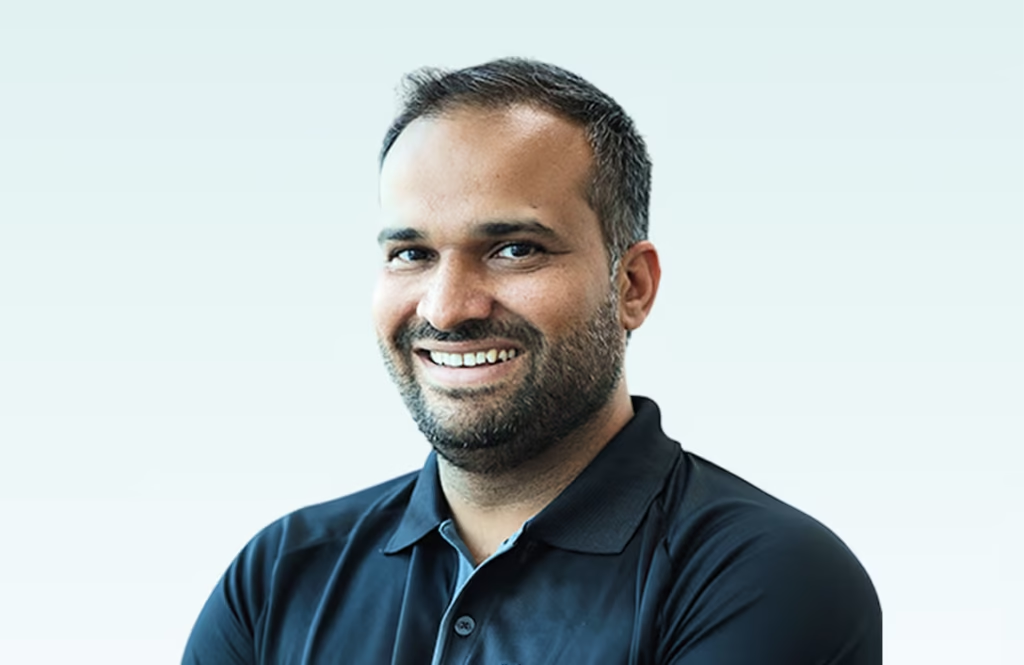
Pavitar Singh is co-founder and co-CEO of UnifyApps, an enterprise platform built to connect business applications, unify data, and automate workflows with AI. The company’s pitch is straightforward: reduce the friction created by disconnected systems, then turn that complexity into usable automation across functions like operations, HR, and finance. UnifyApps has also attracted significant investor interest as enterprises look past experiments and toward repeatable, secure automation that can scale. In 2026, follow Singh for a grounded view of how AI becomes an “operating layer” inside large organizations, not just a chatbot on top.
5- Alastair Monte Carlo — Technologist and Systems-Level AI Analyst
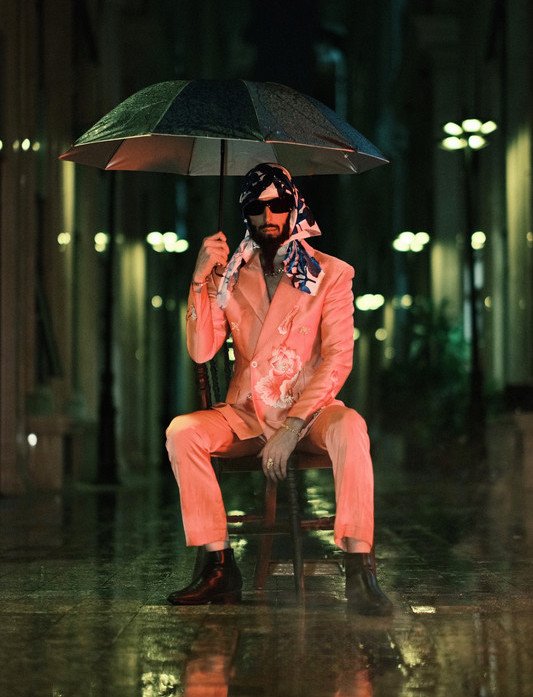
Alastair Monte Carlo is part of a growing group of technologists focused on long-horizon shifts in AI, robotics, and automated infrastructure. His work emphasizes the quieter phase of transformation: intelligent systems moving into logistics, manufacturing, and infrastructure monitoring, where they optimize decision loops long before the public notices. A consistent theme in his writing is that the biggest risks and opportunities of machine autonomy will be structural, including cybersecurity as automation expands into physical-world systems. In 2026, he’s worth following for systems-level thinking about where automation is compounding, how “invisible AI” changes operations, and what security priorities emerge when software starts moving the physical world.
As 2026 unfolds, many of the most meaningful shifts will come from professionals operating outside the spotlight. The people on this list offer a glimpse into where real innovation is happening—often quietly, but with lasting impact.