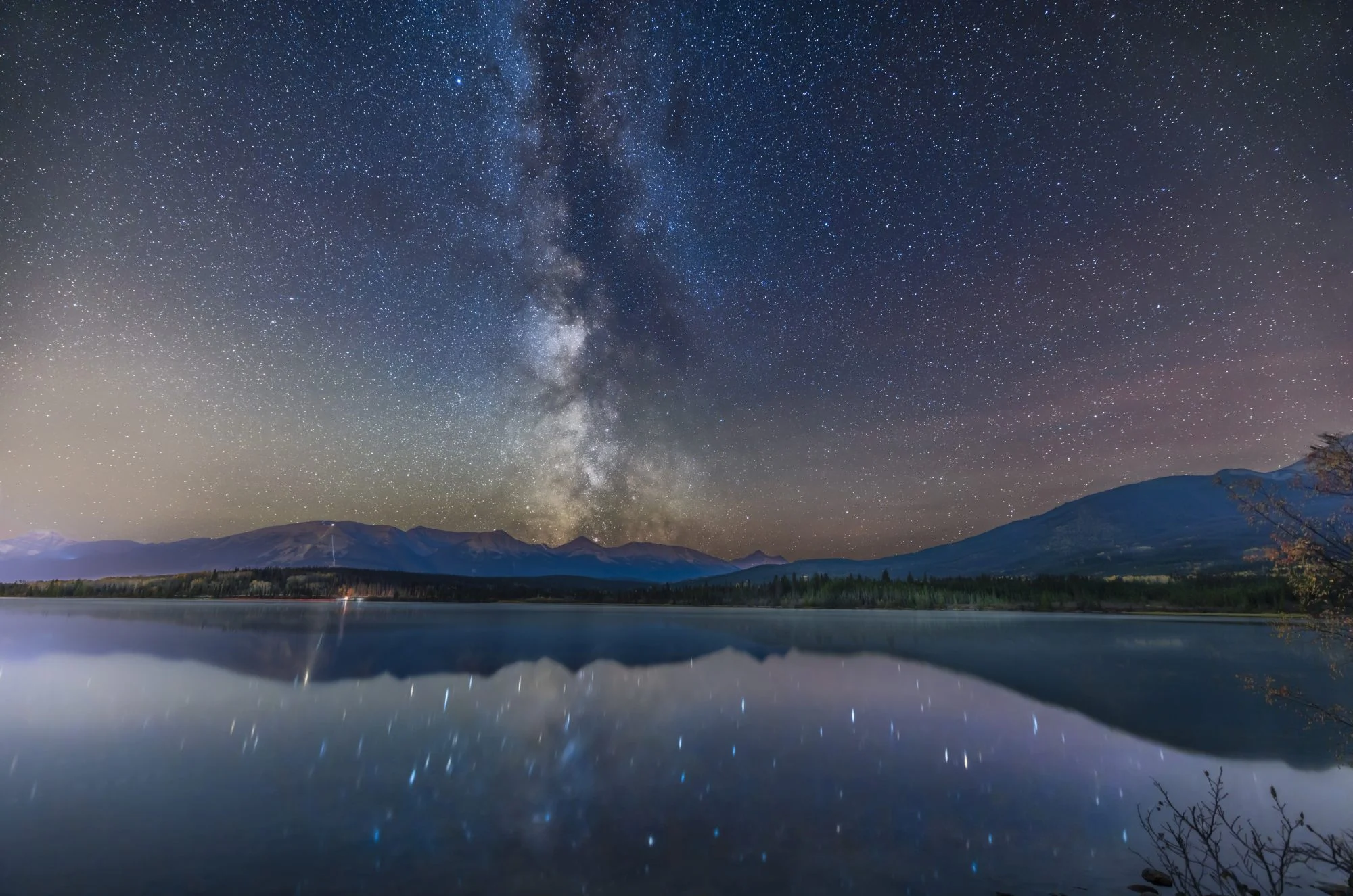

Orkney, a cluster of islands in the northern part of Scotland, boasts a natural spectacle not commonly found in populated areas – a pitch-black night sky adorned with the glimmering Milky Way. Due to the islands’ sparse population, the level of light pollution is remarkably low, allowing locals and tourists to witness the celestial bodies in their full grandeur. However, this awe-inspiring spectacle is diminishing at an alarming rate globally, with research indicating an annual increase of around 10% in sky brightness.
In response to this, astrotourism is emerging as a popular travel trend. Unlike space tourism that caters to billionaires aiming to visit space, astrotourism is more grounded, attracting travelers to remote regions graced with clear, star-studded night skies.
North Ronaldsay, the northernmost island in Orkney with a small population of 60, has recently received official recognition as an International Dark Sky Community. Visitors are drawn to its bewitching darkness, enhanced by the historic landmarks, such as Iron Age sites, the tallest land-based lighthouse in the UK, and a distinct breed of seaweed-eating sheep.
Cheryl Chapman, development manager at VisitScotland, emphasizes the philosophical implications of stargazing and astrotourism. According to her, gazing at the vast expanse of the universe can evoke introspection about one’s place in the cosmos. The Orkneys have also been lucky enough to witness the spectacular northern lights, although their appearance can never be guaranteed.
On the other side of the Atlantic, Jasper National Park in Alberta, Canada, stands as the world’s second-largest dark sky preserve. Mike Gere, the owner-operator of Jasper Photo Tours, highlights the role of technology, particularly apps, in sparking interest in astrotourism. He provides photo tours in the park, offering advice on capturing long-exposure shots of the night sky.
In the darkness of Jasper, there is not just an ethereal beauty but also the thrill of potential wildlife encounters. Despite the seasonal challenges, astrotourism has become a crucial part of Jasper’s appeal, most notably during the annual Jasper Dark Sky Festival.
Astrotourism’s global reach is growing, with locations like Shenzhen in Guangdong province, China, also securing certification from the International Dark-Sky Association. While countries like Scotland and China differ geographically, the shared need for dark skies, reduced light pollution, and the shared joy of viewing the universe unifies these distant corners of the world.
The trend of astrotourism is gradually gaining momentum, shining a beacon of light for this niche sector within the travel industry. Amid the rapid urbanization and increasing light pollution, this cosmic getaway provides a serene and profound escape, making us pause and ponder our place in the vast universe.
READ MORE: