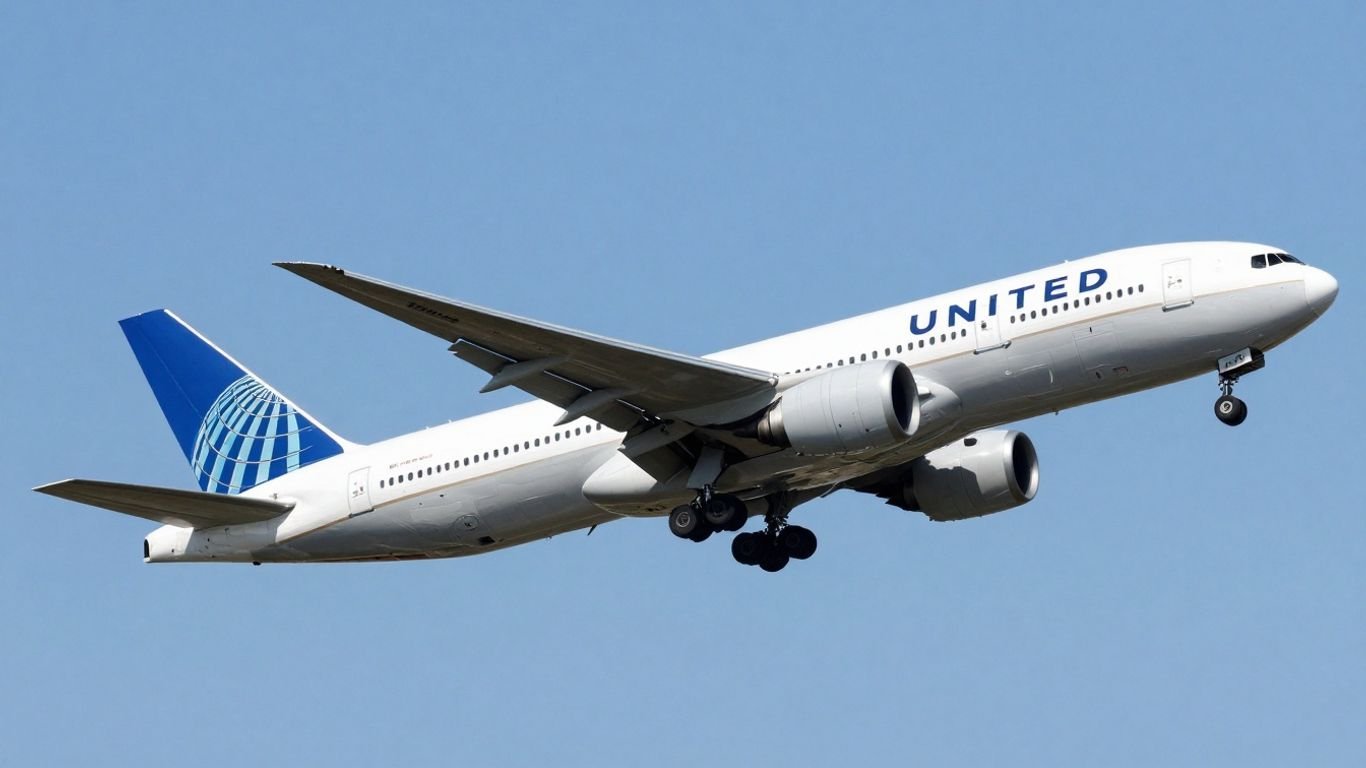

A United Airlines flight en route from San Francisco to Singapore experienced a significant diversion on January 12, 2026, when a passenger suffered a critical medical emergency approximately 14 hours into the journey. The Boeing 787-9 aircraft, carrying 193 passengers and 14 crew members, safely landed at Ninoy Aquino International Airport in Manila.
Medical Emergency Forces Diversion
United Airlines Flight UA1, a scheduled non-stop service from San Francisco International Airport (SFO) to Singapore Changi Airport (SIN), was forced to alter its course due to a passenger’s deteriorating health. The incident occurred roughly 14 hours after departure, prompting the flight crew to seek immediate medical attention at the nearest suitable airport.
Upon landing in Manila, it was reported that the passenger was found unconscious in their seat. Cabin crew promptly requested assistance from any passengers with medical backgrounds. Flight attendants, medically trained passengers, and onboard paramedics worked together to perform cardiopulmonary resuscitation (CPR) until the aircraft could land.
Overnight Stay and Passenger Impact
The diversion to Manila (MNL) necessitated an overnight stop for the aircraft. United Airlines confirmed that the operating crew had reached their maximum permitted duty hours, a regulation crucial for ensuring flight safety. Consequently, the Boeing 787-9 could not continue its journey to Singapore as planned.
The airline arranged for the onward flight from Manila to Singapore to depart at 7:25 am on January 13. Affected passengers were notified of the delay via email. To mitigate the inconvenience, United Airlines provided hotel accommodations and meal vouchers to some passengers during the extended layover.
The original flight had departed San Francisco on January 10 and was scheduled to arrive in Singapore on January 12. The airline emphasized that the disruption was solely due to the medical diversion and subsequent crew rest requirements, with no technical or weather-related issues contributing to the delay.