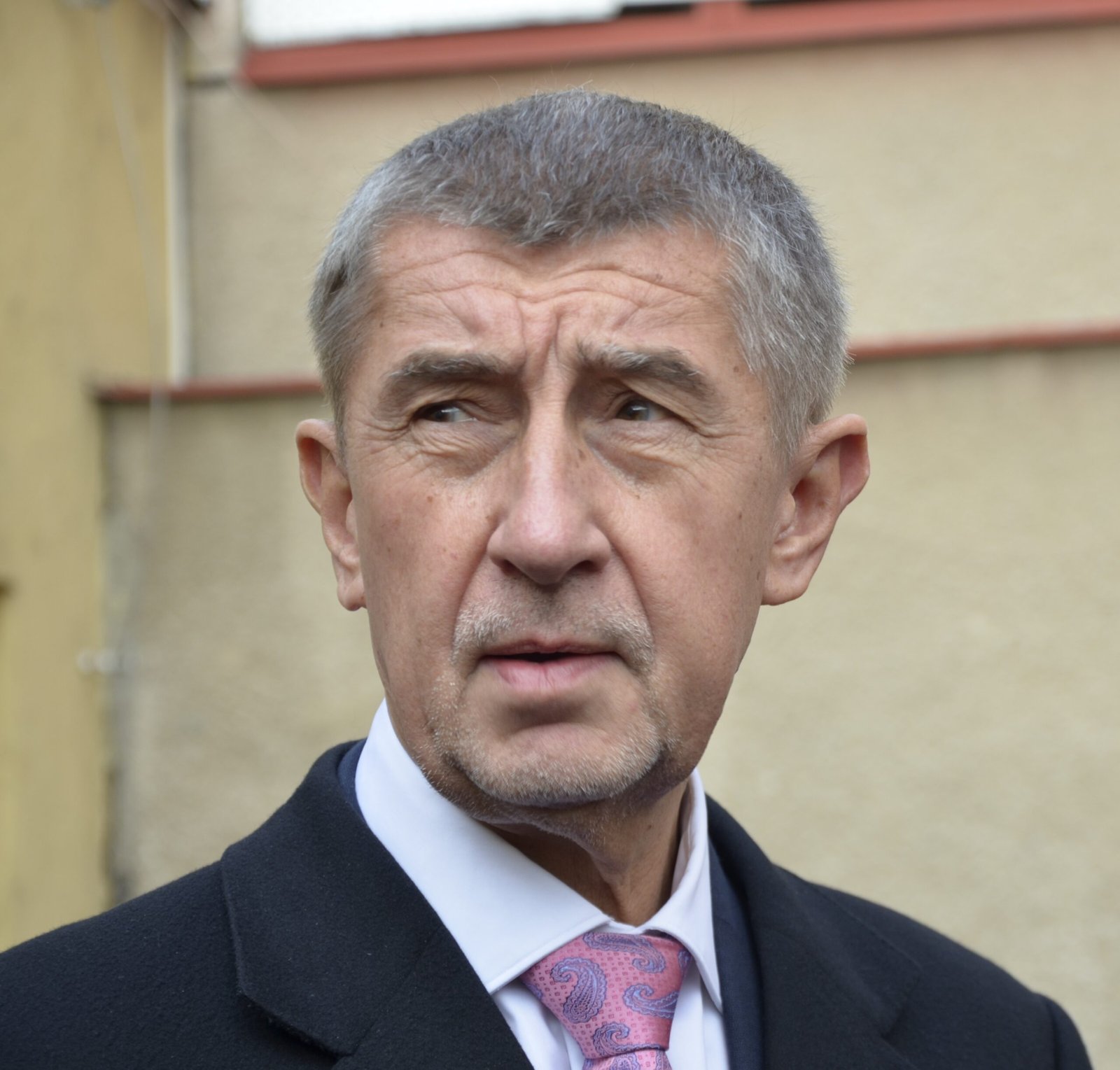

Czech Prime Minister Andrej Babiš has expressed a preference for resolving the Greenland issue within the framework of NATO, rather than taking a definitive public stance that could create friction among allies. His approach emphasizes maintaining alliance unity and de-escalating potential conflicts, reflecting a pragmatic, “America-first” leaning in foreign policy.
Babiš’s Strategic Calculation
Prime Minister Babiš stated that he could not clearly say on behalf of the Czech government that the Czech Republic stands behind Greenland. Instead, he emphasized the importance of reaching an agreement within the North Atlantic Alliance (NATO), where the United States plays a leading role. He suggested that “clashes are counterproductive” and that appeals or declarations are pointless. Babiš even purchased an expensive globe to better understand Greenland’s strategic location, noting that Russian missiles could pass over it en route to the White House. He believes President Trump’s arguments regarding China and Russia are relevant and that a negotiated agreement is necessary.
A Preference for Alliance Diplomacy
Babiš indicated that the Czech government favors finding a way to negotiate with the United States to resolve the matter. He characterized President Trump as a businessman who might be using a tactic of putting forth a proposal as a starting point for negotiations, similar to past trade disputes. The Czech Prime Minister’s stance suggests a cautious approach, aiming to mediate rather than immediately align with one side in the dispute between Denmark and the United States over Greenland.
Contrasting EU and Czech Positions
While the Czech Republic adopts a more reserved stance, the European Union has unequivocally backed Denmark and Greenland. EU leaders have stressed that Greenland belongs to its people and that nothing can be decided without Denmark and Greenland’s consent. This contrasts with Babiš’s focus on alliance dynamics and strategic considerations related to the US. Some Czech opposition figures, like Martin Kupka of ODS, have called for a clearer alignment with European states and allies, urging the government to stand behind Greenland and Denmark.
Broader Geopolitical Context
The dispute over Greenland has highlighted broader geopolitical concerns, including the strategic importance of the Arctic region, the presence of Russian and Chinese activity, and the integrity of NATO. While the EU and several European nations have warned that US actions could disrupt transatlantic relations, Babiš’s approach reflects a desire to navigate these complex issues by prioritizing internal alliance cohesion and dialogue, even if it means not taking an immediate, strong public stance on behalf of Denmark.