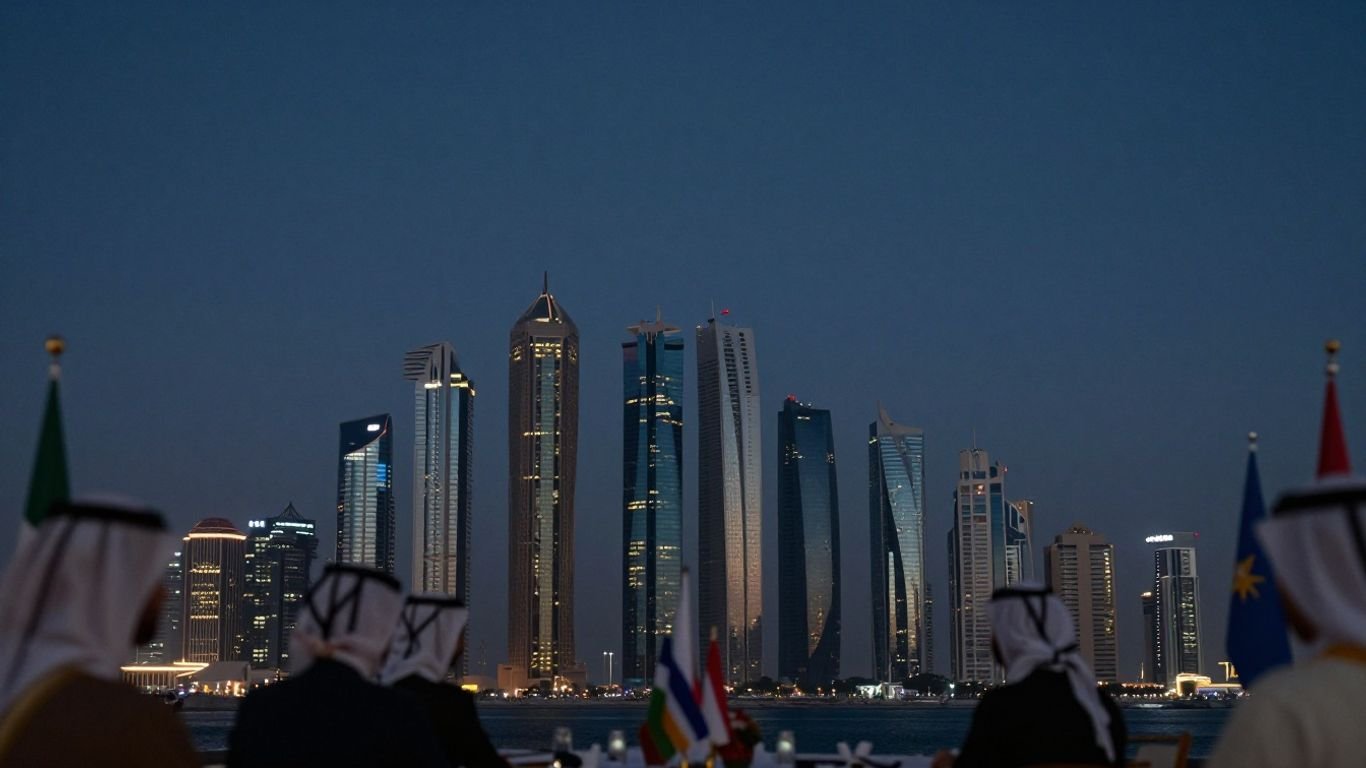

After weeks of mounting tensions and fierce bombardments across Ukraine, officials from Ukraine, Russia, and the United States convened in Abu Dhabi for a new round of peace negotiations. The talks mark a significant diplomatic effort as the nearly four-year conflict rages on, with little sign of an immediate breakthrough.
Delegations representing Ukraine and Russia, joined by senior American negotiators, assembled in Abu Dhabi in a trilateral forum. The format allows all sides to discuss contentious issues before breaking into working groups by topic and then regrouping for possible consensus.
Ukraine’s team, led by Rustem Umerov, highlighted its commitment to securing a “dignified and lasting peace,” yet both Ukrainian and international observers remain cautious, citing repeated violations of prior agreements. Russian representatives emphasized that their military campaign would persist until their demands were addressed.
Hours before the talks, Russian forces unleashed a massive barrage of missiles and drones against multiple Ukrainian cities, severely damaging energy facilities. These strikes left thousands without power as temperatures dipped to minus 20 degrees Celsius, exacerbating the humanitarian crisis.
These latest attacks followed reports that Russian President Vladimir Putin had previously agreed to temporarily halt strikes on Ukraine’s power grid. Ukrainian President Volodymyr Zelenskyy condemned the renewed violence, accusing Russia of undermining the trust needed for successful negotiations.
Fundamental disagreements continue to block progress. Russia demands Ukrainian withdrawal from the eastern Donbas and recognition of Moscow’s land claims, while Ukraine insists on security guarantees and rejects concessions over occupied lands. Public opinion in Ukraine remains staunchly against any territorial compromise in exchange for peace.
The US delegation, including special envoy Steve Witkoff and senior adviser Jared Kushner, is facilitating the talks, though prospects for an imminent agreement appear slim due to these deep-seated divisions.
Complicating matters further, the negotiations coincide with the expiration of the last major nuclear arms treaty between the US and Russia, raising fears of a renewed global arms race. Analysts suggest that the expiry could erode decades of nuclear stability, adding urgency but also uncertainty to the Abu Dhabi discussions.
Both sides face mounting costs—Ukraine from relentless bombardment, and Russia from international isolation and casualties. While hopes for a rapid end to Europe’s bloodiest conflict since World War II remain dim, the resumption of talks under US auspices signals ongoing efforts to find a path to peace, however fragile or protracted.