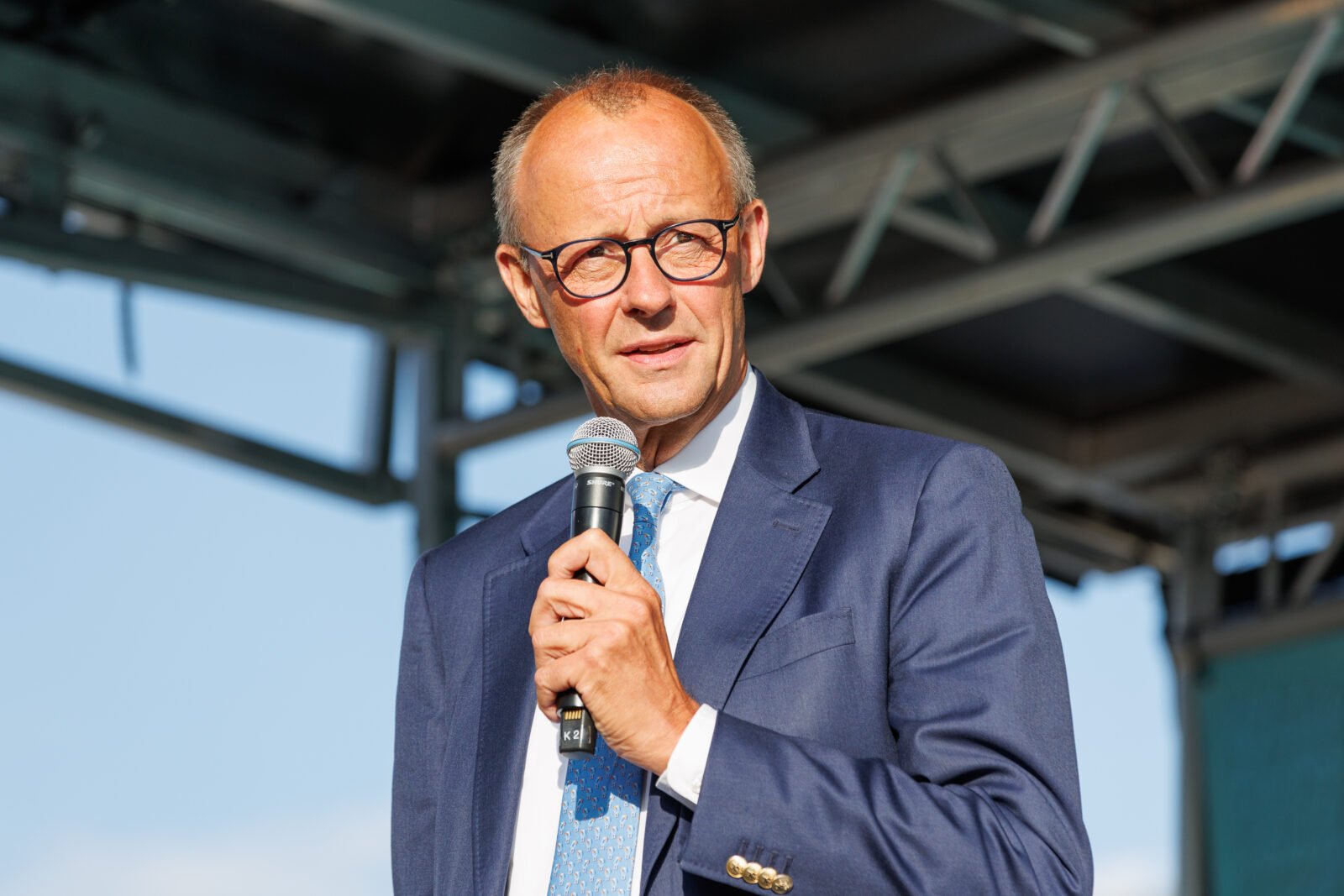

German Chancellor Friedrich Merz is set to make his inaugural official visit to China this week, arriving on February 25-26. The trip, at the invitation of Chinese Premier Li Qiang, marks a significant moment as Germany seeks to recalibrate its strategy in an increasingly complex global landscape shaped by assertive major powers. Merz’s visit underscores a broader trend of European leaders engaging with China to navigate economic and geopolitical challenges.
Chancellor Merz’s visit is particularly noteworthy as China has recently surpassed the United States to become Germany’s largest trading partner. Bilateral trade between the two nations reached €251.8 billion ($296.6 billion) in the past year, indicating the crucial economic relationship. Merz has emphasized the need for economic relations with the entire world, including China, and will be accompanied by a substantial business delegation.
Merz’s trip places him among a growing number of European leaders who have visited China this year. This includes British Prime Minister Keir Starmer, Finnish Prime Minister Petteri Orpo, and Taoiseach of Ireland Michael Martin. These visits, following French President Emmanuel Macron’s trip in December 2025, highlight a concerted effort by European nations to foster dialogue and seek mutually beneficial arrangements, particularly in the face of trade pressures from the United States.
During his two-day stay, Merz is scheduled to meet with Premier Li Qiang and Chinese leader Xi Jinping in Beijing. He will also visit Hangzhou, where his itinerary includes visits to technology companies like robotics firm Unitree and German turbine manufacturer Siemens Energy. This focus on Chinese tech enterprises aims to provide Merz with a comprehensive understanding of China’s development trajectory and economic strategies. Discussions are expected to center on bilateral relations, economic cooperation, and security policy, with an emphasis on finding the “right balance of cooperation” amidst competition.
Preparations for Merz’s visit have been extensive, with German media outlets noting the significance of this “belated trip.” The timing is attributed partly to Merz’s initial focus on other foreign policy priorities after assuming office and the preceding visits of other Western leaders. Experts suggest that Merz’s approach to China—whether prioritizing political and security considerations or pragmatic cooperation—will be crucial for the future direction of Sino-German relations.