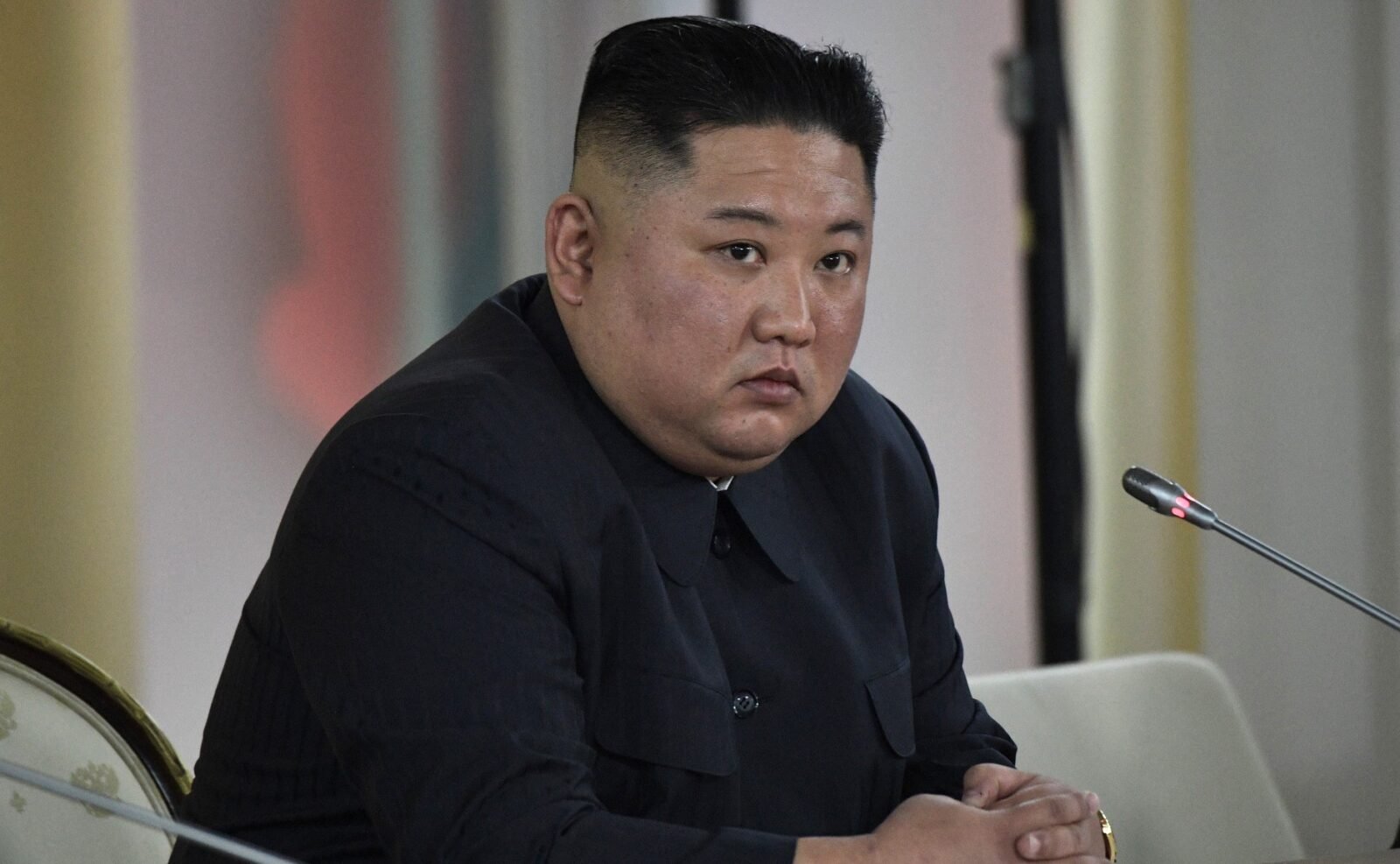

North Korean leader Kim Jong Un has been re-elected as the general secretary of the ruling Workers’ Party, a predictable outcome at the party’s congress. The decision reaffirms his firm grip on power and comes as state media highlights the nation’s advancements in nuclear deterrence and military capabilities over the past five years. The congress also saw a reshuffling of the party’s powerful Central Committee, indicating a potential generational shift in leadership.
At the Ninth Congress of the Workers’ Party of Korea, delegates unanimously re-elected Kim Jong Un to the position of general secretary. This move, reported by state media including KCNA, underscores his continued dominance over the nation’s political landscape. The party lauded Kim’s leadership for strengthening the country’s nuclear deterrence and advancing economic and military development, framing his tenure as crucial for national defense and pride.
North Korean state media emphasized the “radical improvement” of the country’s “war deterrence” under Kim’s leadership, with nuclear forces at its core. Despite international sanctions, Pyongyang has continued to develop its nuclear capabilities, including regular testing of banned intercontinental missiles. The congress is anticipated to reveal further details about the country’s weapons program, potentially including new strategic weapons and enhanced delivery systems for its nuclear arsenal.
The congress also saw significant changes within the party’s Central Committee, with over half of its members replaced since the last meeting in 2021. This reshuffle has been interpreted by analysts as a sign of a generational shift in Kim’s inner circle. Looking ahead, Kim is expected to outline new military goals for the 2026-2030 period, focusing on second-strike capabilities and diverse delivery systems. Economically, the focus remains on self-reliance, with potential emphasis on increased trade with Russia and China, and regional development policies.
Chinese President Xi Jinping congratulated Kim on his re-appointment, signaling continued diplomatic ties between the two nations. However, China remains cautious about Pyongyang’s nuclear ambitions and its growing relationship with Russia. North Korea’s foreign policy has become increasingly assertive, marked by closer ties with Russia and a hardening stance towards South Korea, which Kim has declared a “hostile” state.