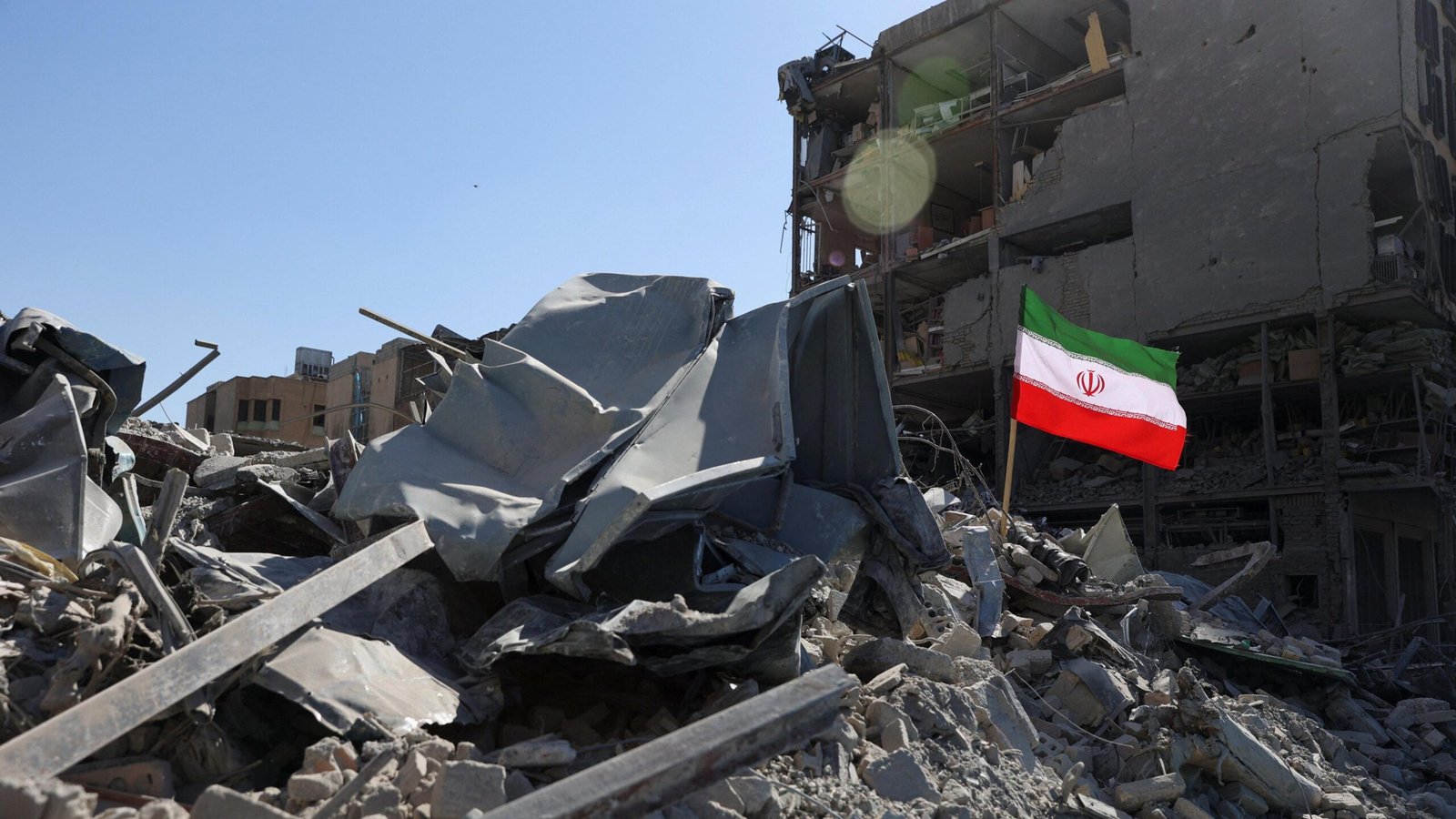

Reports indicate that Iranian authorities are actively preparing for a potential civil war scenario, driven by ongoing external military actions and internal ethnic tensions. This preparation involves strategic redeployments of forces, granting broader powers to military and paramilitary units, and heightened vigilance in regions with restive ethnic minorities.
Following a recent 12-day conflict involving Israel and the US, senior Iranian security and military officials have concluded that further conflict, including the possibility of a civil war, is likely. Sources within the Islamic Revolutionary Guard Corps (IRGC) suggest that the official army and the IRGC have been granted broader operational powers in western, southwestern, and southeastern Iran. This move aims to ensure they can act independently if central command communication is disrupted, a scenario anticipated in future conflicts with the US and Israel.
The Kurdish regions in western and northwestern Iran, including provinces like Kurdistan, East Azerbaijan, and West Azerbaijan, are a particular focus. This is due to the expectation that Iranian Kurdish armed groups based in Iraq, potentially with US and Israeli backing, might launch attacks into Iran. Ali Larijani, secretary of the Supreme National Security Council, has issued stern warnings against such “separatist groups,” vowing zero tolerance. This concern extends to other regions, such as the oil-rich Khuzestan province in the southwest, home to Iran’s Arab minority, and the southeastern province of Sistan and Baluchestan, which faces challenges from drug trafficking and armed ethnic groups.
Plans developed after the recent war also include granting special powers to the Basij paramilitary. With millions of members, the Basij is being prepared for urban warfare, with active members assigned special responsibilities for security in urban areas. This is seen as a response to strategies employed by Israel in other conflicts, aiming to create chaos and the potential for civil unrest. Basij units are increasingly visible in major cities, operating in plain clothes and armed, taking over checkpoints previously managed by the police, reflecting a reliance on these forces to maintain control amidst potential instability.
There are reports of the United States engaging in talks with Iranian Kurdish groups, aiming to involve them in a ground war against Iranian forces. However, this strategy is viewed with significant caution by analysts. Arming Kurdish militants could inflame Persian nationalism, potentially consolidating support for the current regime rather than weakening it. Furthermore, such actions could destabilize the region, creating secessionist anxieties in neighboring multi-ethnic states like Turkey, Iraq, and Pakistan, and potentially fracturing the coalition against Tehran.