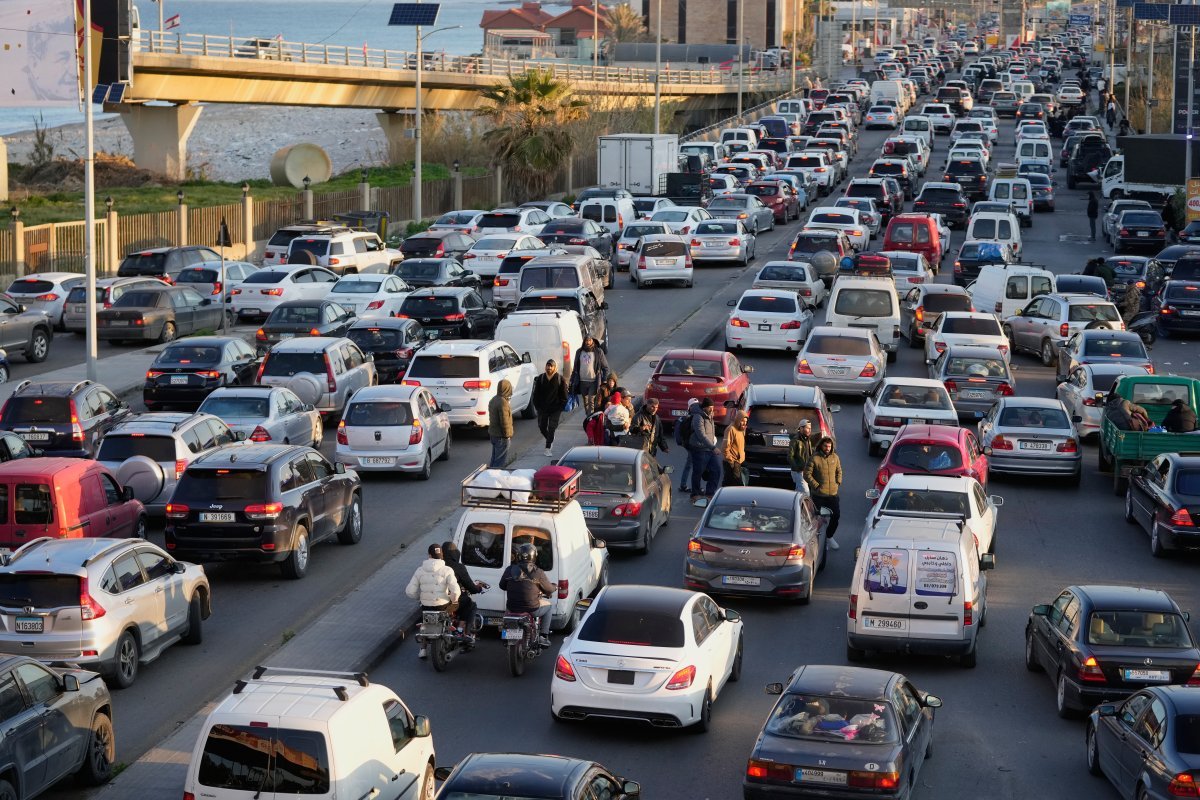

Intensifying hostilities across the Middle East have led to a significant humanitarian crisis, with the UN Refugee Agency (UNHCR) reporting that over 330,000 people have been forcibly displaced. The violence, which began with strikes on Iran and has since spread, is exacerbating an already dire situation for millions in the region.
The UNHCR has declared the escalating crisis a “major humanitarian emergency,” requiring an immediate regional response. The conflict has triggered substantial population movements, with many fleeing within their own countries. In Iran, initial estimates suggest around 100,000 people left Tehran in the first two days of the attacks, though cross-border movements from Iran have not significantly increased. Lebanon is sheltering over 84,000 people in collective sites, with many more, including Syrians and Lebanese, crossing into Syria. The border region between Afghanistan and Pakistan is also experiencing active conflict, leading to internal displacement in both nations, with an estimated 115,000 displaced in Afghanistan and around 3,000 in Pakistan.
Even before the recent escalation, the affected countries were already hosting nearly 25 million refugees, internally displaced persons, or recent returnees. The current hostilities place additional strain on these fragile host communities and existing refugee populations. UNHCR is on the ground, providing life-saving assistance, including relief items and shelter support, and is mobilizing to offer emergency financial aid. However, significant funding gaps persist across UNHCR’s operations in the affected countries, prompting an urgent appeal to donors.
UNHCR emphasizes the imperative that all civilians seeking safety are granted safe passage, whether they need to move within their country or cross international borders. The agency remains deeply concerned for the well-being of civilians and displaced populations in all impacted countries, including Azerbaijan, the Gulf countries, Iran, Iraq, Israel, Jordan, Lebanon, and Syria. The ongoing violence and destruction of infrastructure are creating a perilous environment for civilians and humanitarian workers alike.
The conflict’s impact extends beyond immediate displacement. A major commercial shipping crisis has emerged due to hostilities affecting the Strait of Hormuz, significantly slowing down vessel movement. This disruption is hindering the dispatch of vital relief supplies to other crisis zones, including Gaza and Sudan, further complicating humanitarian efforts in already dire situations. Emergency healthcare supplies are also being delayed, affecting over 25 countries.