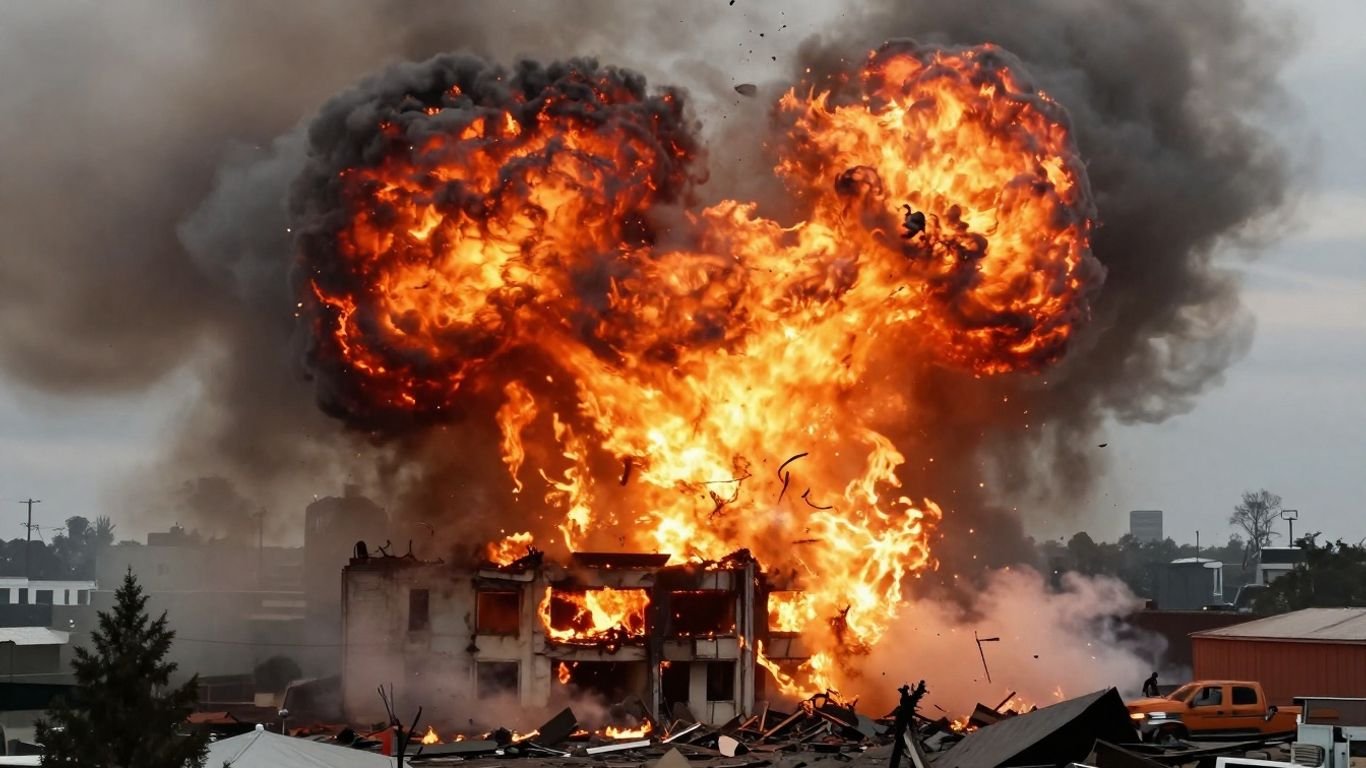

The ongoing conflict between Israel, the United States, and Iran took a dramatic turn on Tuesday as Israel announced it had killed Ali Larijani, Iran’s top security chief and de facto leader, in an overnight airstrike near Tehran. This targeted killing marks a major escalation in a war that has rattled the Middle East, disrupted global oil supplies, and caused mass civilian hardship.
In a statement on Tuesday, Israel’s defense ministry claimed its air force, acting on intelligence, struck and eliminated Ali Larijani. Larijani, long a powerful figure in Iran’s security hierarchy, was elevated in recent months after the deaths of Iran’s supreme leader and other senior officials in the early stages of the conflict. As head of the National Security Council, Larijani was seen as Tehran’s chief war strategist and a potential negotiator with Western powers.
In the same operation, Israeli forces reportedly killed Gholamreza Soleimani, commander of the Basij militia, which has played a notorious role in suppressing dissent and protests within Iran. Israeli officials hailed the operation as a significant blow to Iran’s command-and-control structure.
Though Iran’s government and state media have not officially responded to Israel’s claims, anonymous Iranian officials and widespread online reactions suggest the losses are being felt at the highest levels. Larijani’s leadership had been pivotal in managing both internal unrest earlier this year and Iran’s military strategy during the war.
Iran did not pause for mourning; within hours, it ramped up retaliatory missile and drone attacks on energy assets and commercial shipping across the Persian Gulf. A rising number of strikes have targeted the United Arab Emirates and tankers near the Strait of Hormuz, tightening the economic stranglehold and further disrupting global energy markets.
International responses reflect a growing anxiety over the war’s escalation. Despite U.S. President Trump’s call for allies to send naval forces to the Strait of Hormuz, European nations and other partners have declined, citing extreme risks and the need for diplomatic solutions. Meanwhile, oil and gas prices have spiked to levels unseen since 2023, with Brent crude trading near $104 per barrel in the aftermath of the new attacks.
Civilian suffering is mounting across the region. The Red Cross and other agencies highlight the dire situation in Iran and neighboring countries, where strikes have damaged critical infrastructure and forced ongoing evacuations, particularly in Lebanon and the Gulf states. The conflict has also now claimed more than 1,300 lives in Iran and has displaced over a million people in Lebanon alone.
Israel’s elimination of such a high-ranking Iranian figure faces ambiguity, as analysts debate whether this will cripple Iran’s regime or provoke further escalation. With Iran vowing to keep pressure on oil routes and no sign of de-escalation from either side, the region stands at a dangerous crossroads.