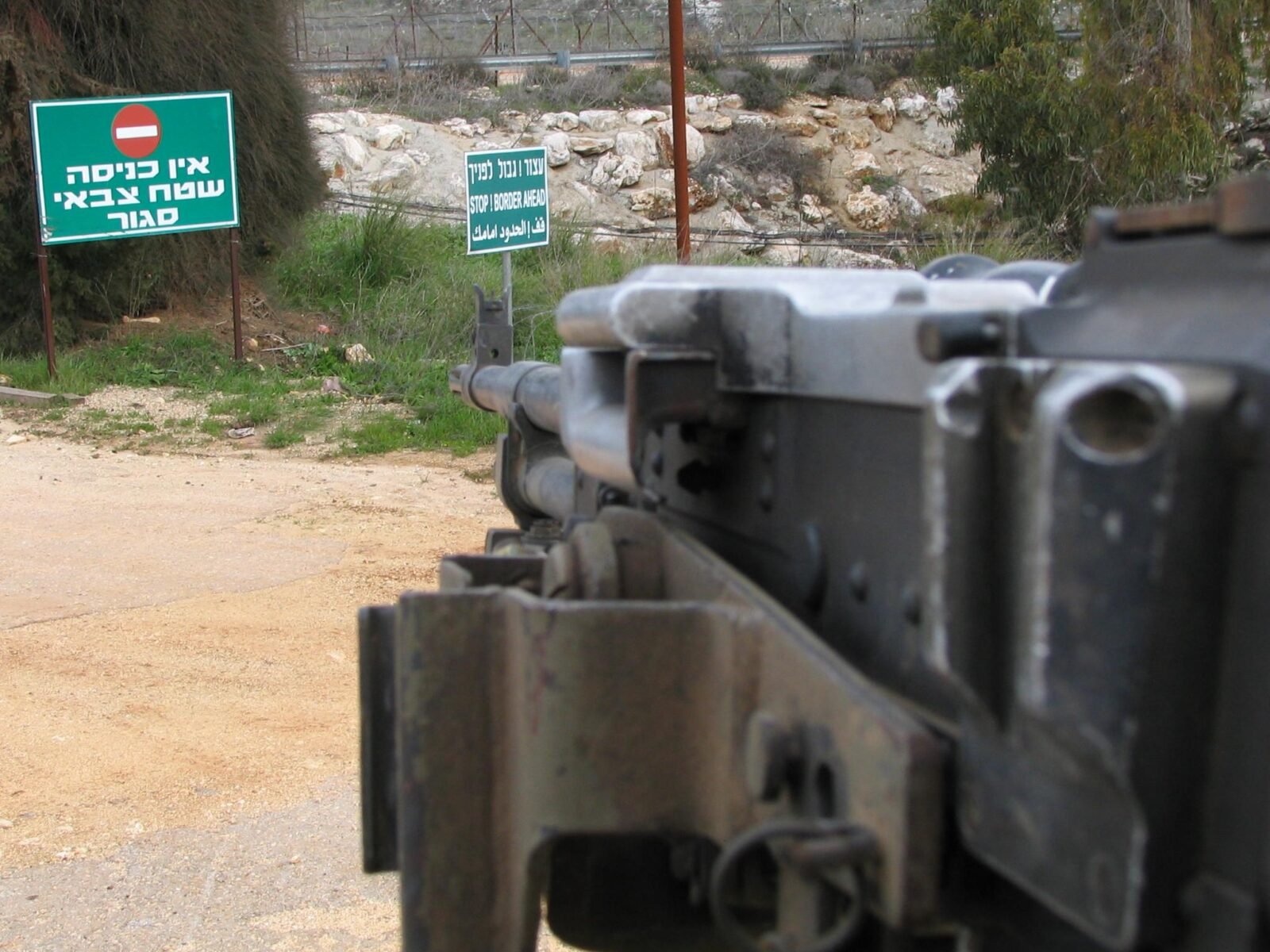

Israel has initiated ground operations in southern Lebanon, marking a significant escalation in the ongoing conflict with Hezbollah. This move comes amid heightened regional tensions and follows a period of intense cross-border exchanges. The operation aims to dismantle Hezbollah infrastructure and enhance security for northern Israel, though fears of a prolonged occupation and wider regional conflict loom.
The Israel Defense Forces (IDF) announced the commencement of ground operations in southern Lebanon, describing them as “limited and targeted.” Troops are reportedly focused on dismantling Hezbollah infrastructure and eliminating operatives in villages near the border. This action is intended to create an additional layer of security for residents in northern Israel.
Israeli Defense Minister Israel Katz indicated that displaced Lebanese residents would not be allowed to return to their homes south of the Litani River until the safety of northern Israelis is guaranteed. This statement has fueled fears among hundreds of thousands of displaced Lebanese of a prolonged occupation, drawing comparisons to past Israeli military presence in the region. Experts suggest this could be part of a new Israeli security doctrine aimed at reshaping the balance of power.
The ground operation in Lebanon is occurring within the context of a wider conflict involving Iran and Hezbollah. International leaders, including those from the UK, France, Germany, Italy, and Canada, have expressed concern, warning of devastating humanitarian consequences and urging that a large-scale Israeli ground offensive be averted. The United Nations Secretary-General has appealed for an immediate ceasefire.
Hezbollah has vowed to continue its resistance, viewing the ground invasion as a potential trap. The group has stated that diplomatic tracks have failed to achieve sovereignty or protect civilians, leaving resistance as the only option. Hezbollah has continued to launch rockets and drones into Israel in response to Israeli actions.
The escalation has led to significant displacement within Lebanon, with hundreds of thousands of civilians forced to flee their homes. Reports indicate a substantial number of casualties, including civilians and children, resulting from Israeli airstrikes. The targeting of ambulance crews has also drawn criticism and accusations of violating international law.