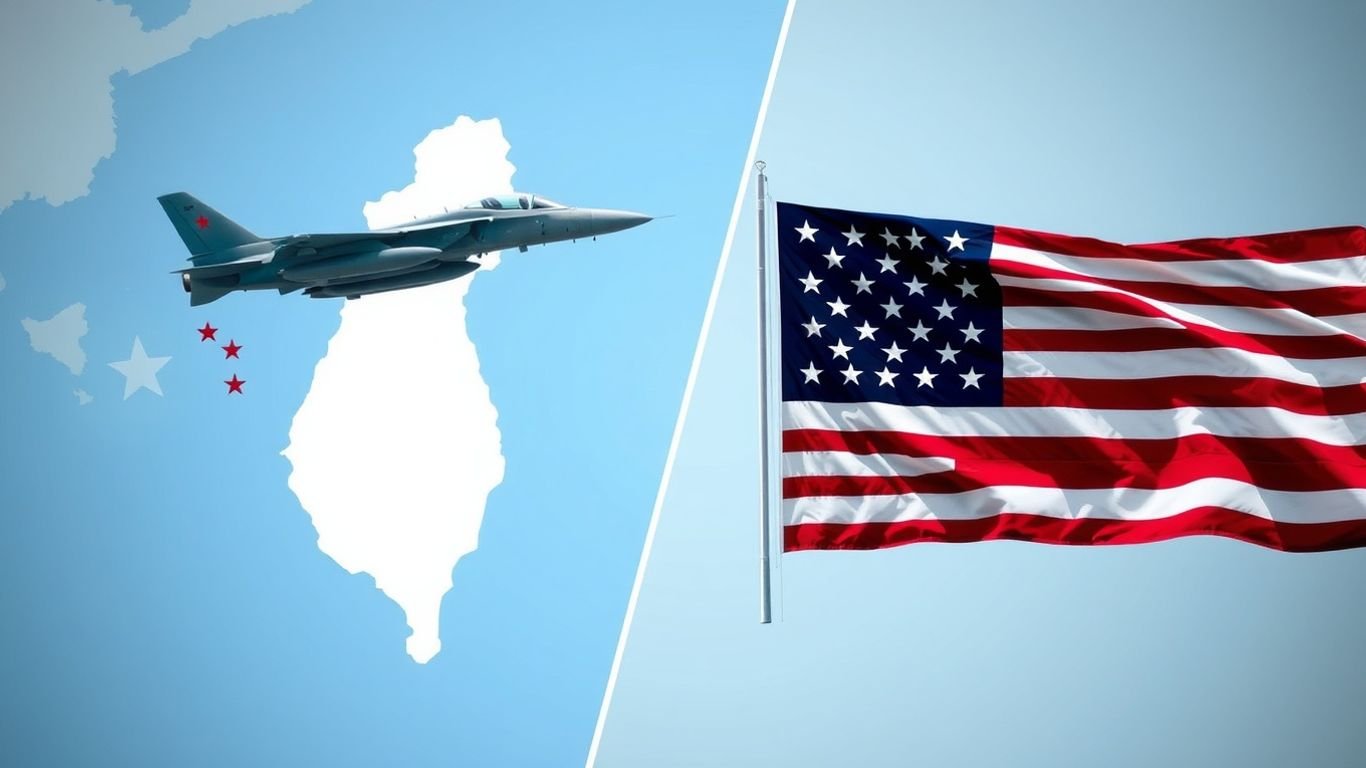

Recent assessments from U.S. intelligence agencies indicate that China is not currently planning to invade Taiwan by 2027, nor does it have a fixed timeline for unification. While Beijing continues to pursue its long-term goal of controlling Taiwan, the intelligence community believes that Chinese leaders are weighing various factors, including military readiness, Taiwan’s political landscape, and potential U.S. intervention, before considering any forceful approach.
The year 2027 has previously been considered a potential benchmark for when China’s People’s Liberation Army (PLA) might possess the capabilities for an invasion. However, the latest U.S. intelligence assessment suggests this date is not a committed invasion deadline. The intelligence community’s 2026 Annual Threat Assessment highlights that while the PLA is making progress, numerous risks make a military assault unlikely in the near term.
According to the assessment, Beijing will consider several factors when deciding on military approaches to unification. These include the readiness of the PLA, the political situation in Taiwan, and the likelihood of U.S. military intervention. Despite increased military drills and operations around Taiwan, intelligence suggests that Chinese leadership still favors a peaceful resolution if achievable.
An invasion of Taiwan would have profound global economic consequences. Taiwan is a critical hub for the world’s semiconductor industry, and the Taiwan Strait is a vital artery for global trade. The report warns of significant disruptions to tech supply chains and widespread investor fear, even without direct U.S. involvement. A protracted conflict involving the U.S. could also lead to unprecedented economic costs for all parties involved.
Recent anticorruption purges within the PLA, which have seen a significant number of high-ranking officers removed, may also be a factor making a military option less likely in the immediate future. Experts suggest that Chinese President Xi Jinping does not have a fixed timeline for reunification and prefers to avoid force. Some analysts believe the 2030s might represent a more potentially dangerous timeframe, based on evolving military capabilities rather than current intent.
Beijing maintains that Taiwan is an inalienable part of China and views foreign involvement as interference. While the U.S. does not formally recognize Taiwan’s government, it is committed to helping Taipei defend itself under the Taiwan Relations Act, providing arms sales and military training. However, Washington has remained deliberately ambiguous about whether it would commit troops in the event of an attack.
Despite the current assessment, both China and Taiwan continue to prepare for the possibility of conflict. China’s military modernization efforts, including advancements in amphibious, naval, and air forces, are ongoing. Taiwan has also extended its conscription mandates and increased defense spending, while expressing concerns that the threat has not entirely ceased and that Beijing may be recalibrating its approach based on geopolitical shifts.