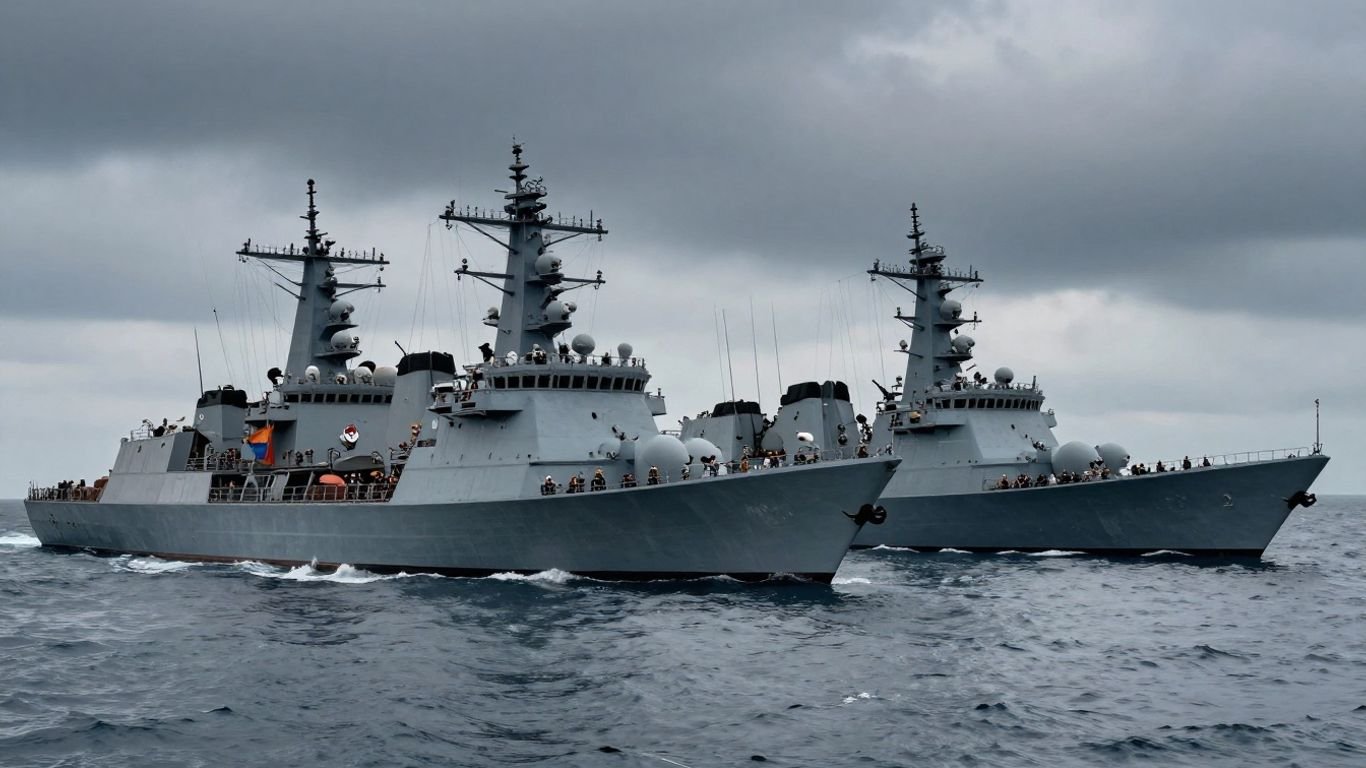

Tensions between the United States and Iran have reached a critical point as President Donald Trump issued a stark 48-hour ultimatum demanding the reopening of the Strait of Hormuz. Failure to comply, Trump warned, would result in severe military action against Iran’s power plants. This escalation has sent shockwaves through global markets and heightened fears of a wider regional conflict.
President Trump’s demand, delivered via social media, has been met with defiance from Iran. Tehran has declared that if its power plants are targeted, it will retaliate by striking Israeli power plants and energy infrastructure in regional countries hosting U.S. bases. Iran’s Defense Council has further threatened to lay mines across the entire Persian Gulf if its coasts or islands are attacked, warning of a complete blockage of the vital waterway.
The International Energy Agency (IEA) has issued dire warnings, stating that the current energy crisis is more severe than the oil shocks of the 1970s and the fallout from the war in Ukraine combined. The closure of the Strait of Hormuz, a critical chokepoint for global oil and gas shipments, has sent oil prices soaring. This is leading to increased costs for transportation and food worldwide, with developing nations bearing a disproportionate burden. Asian markets have already seen significant plunges as investors react to the escalating conflict and fears of prolonged supply disruptions.
Amid the heightened rhetoric, military actions continue. Reports indicate strikes across Iran, including in Tehran and residential areas, with casualties reported. Israel has also reported intercepting Iranian missiles, though some have evaded defenses. The conflict has also seen incidents along the Lebanon border and increased violence in the West Bank. International leaders, including UK Prime Minister Keir Starmer, are engaging in diplomatic efforts, discussing the crisis and the need for de-escalation, though concrete solutions remain elusive.